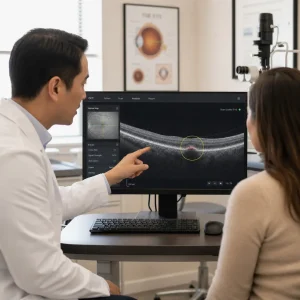
A sudden change in vision is unsettling and can point to a range of issues — some benign, some urgent. Below we explain the likely causes, the symptoms that need immediate attention, and when to get checked by an eye care professional. Knowing what to watch for helps you protect your sight and get the right care quickly. We’ll cover emergency signs, common eye problems, links to overall health, what happens in a full eye exam, available eyewear options, and answers to frequently asked questions.
When Is Sudden Blurry Vision an Emergency? Recognizing Urgent Symptoms
Not all sudden blurriness is an emergency, but certain signs mean you should seek care right away. Spotting those red flags can make a big difference.
What Are the Emergency Signs of Sudden Blurry Vision?
Watch for these urgent symptoms:
- Sudden, Major Loss of Vision: A rapid drop in vision could signal retinal detachment, a stroke, or another serious problem.
- Severe Eye Pain: Intense, unexplained pain can indicate acute angle-closure glaucoma or another urgent condition.
- Flashes of Light or Many New Floaters: New flashes or a sudden increase in floaters may be signs of retinal or vitreous detachment and should be checked immediately.
Noticing any of the above means you should seek urgent medical attention — faster evaluation can preserve vision.
How Should I Respond to Sudden Vision Loss or Severe Eye Pain?
If you have sudden vision loss or severe eye pain:
- Try to Stay Calm: Clear thinking helps you act quickly.
- Get Immediate Help: Go to the emergency room or call emergency services without delay.
- Do Not Drive: Ask someone else for a ride or call for help if your vision is impaired.
Quick action can be critical when vision is at risk.
What Common Eye Conditions Cause Sudden Blurry Vision?
Several eye problems can cause blurriness that appears suddenly. Understanding each one helps you and your eye care team find the right treatment.
How Do Refractive Errors Like Nearsightedness and Astigmatism Affect Sudden Vision Changes?
Refractive errors happen when the eye’s shape prevents light from focusing correctly on the retina. Nearsightedness, farsightedness, and astigmatism blur vision at different distances. Changes in your prescription can sometimes feel sudden — regular eye exams make it easy to diagnose and correct these with glasses or contacts.
What Role Do Dry Eye Syndrome and Digital Eye Strain Play in Blurry Vision?
Dry eye occurs when your tear film is inadequate or unstable, causing fluctuating or blurred vision. Digital eye strain from long screen time can produce temporary blurriness, tired eyes, and headaches. Both problems often improve with simple steps: more frequent breaks, good screen ergonomics, and appropriate eye drops or eyewear.
How Do Systemic Health Issues Affect Sudden Blurry Vision?
Your overall health can directly affect your eyes. Some systemic conditions cause vision changes that need coordinated care between your eye doctor and primary care team.
What Is Diabetic Retinopathy and How Does Diabetes Cause Blurry Vision?
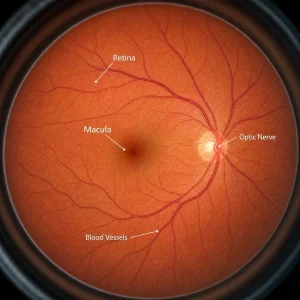
Diabetic retinopathy is damage to the small blood vessels in the retina caused by diabetes. High blood sugar can make vessels leak or bleed, leading to blurred or distorted vision. Early detection through regular eye exams is key to preventing serious vision loss.
Diabetic retinopathy is a retinal microvascular disease that can threaten sight through macular swelling or abnormal new vessels. Longer diabetes duration and poor control of blood sugar and blood pressure raise the risk.
Diabetic Retinopathy: Systemic Cause of Blurry Vision
Diabetic retinopathy is a microvascular disease of the retina that affects many people with diabetes. Two of its main vision-threatening complications are diabetic macular edema and proliferative diabetic retinopathy. Macular edema can occur at any stage and reduces central vision. The primary risk factors for development and progression are longer diabetes duration and poor control of blood glucose and arterial blood pressure.
Diabetic retinopathy: early diagnosis and effective treatment, 2010
Can High Blood Pressure or Migraines Trigger Sudden Vision Changes?
High blood pressure can damage retinal vessels over time (hypertensive retinopathy), usually causing gradual changes rather than abrupt ones. Migraines can cause temporary visual disturbances — including blurriness or an “aura” — that typically resolve as the migraine passes. If these events are new or severe, seek medical advice.
How Can Comprehensive Eye Exams Diagnose and Manage Sudden Blurry Vision?
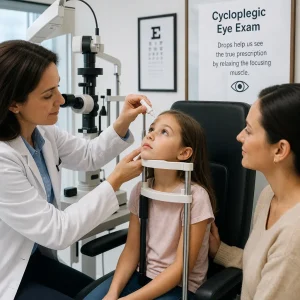
A full eye exam helps us pinpoint the cause of sudden blurriness, whether it’s an eye condition or a sign of a wider health issue. Exams let us screen, diagnose, and recommend treatment or referrals when needed.
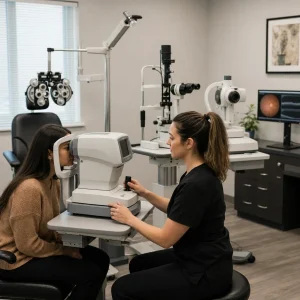
What to Expect During a Comprehensive Eye Exam at Premier Optical?
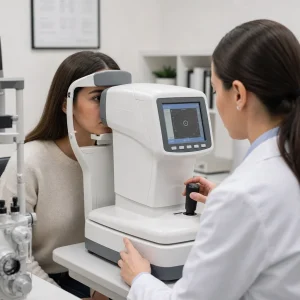
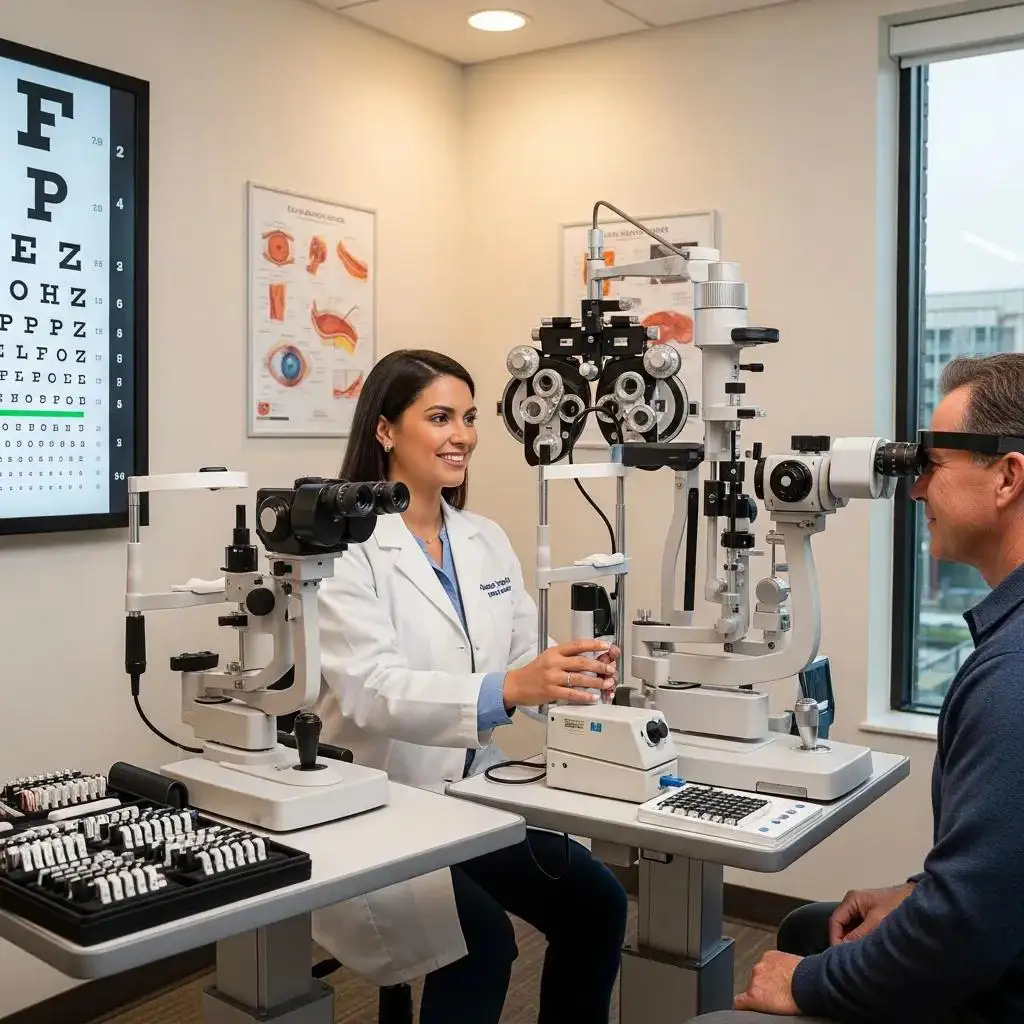
At Premier Optical, a comprehensive eye exam typically includes:
- Visual Acuity Test: We measure how clearly you see at various distances.
- Refraction Assessment: This checks whether glasses or contacts can sharpen your vision.
- Eye Health Evaluation: We examine the retina, optic nerve, and other structures for signs of disease.
These steps give a clear picture of your vision and eye health so we can recommend the right care.
A comprehensive eye exam is a key screening tool — it identifies common eye diseases early and helps reduce the risk and costs associated with untreated conditions.
Comprehensive Eye Exams: Diagnosing Blurry Vision Causes
A routine comprehensive eye exam is an opportunity to screen for and diagnose common eye diseases, reducing morbidity and the costs tied to eye conditions. A CEE is performed both for patients presenting with symptoms and for routine check-ups. This resource explains the typical components of a comprehensive eye examination.
Comprehensive eye examination: what does it mean?, 2019
Why Are Regular Eye Exams Essential for Early Detection of Serious Conditions?
Regular eye exams let us catch glaucoma, cataracts, diabetic retinopathy and other conditions early, when treatment is most effective. Early detection can preserve vision and help protect your overall health.
What Eyewear Solutions Are Available for Sudden Blurry Vision?
When blurriness comes from refractive error or digital strain, the right eyewear can restore clear, comfortable vision. Here are common options we provide.
How Do Prescription Glasses and Contact Lenses Correct Blurry Vision?
Prescription glasses and contact lenses reshape how light enters the eye so images focus correctly on the retina. The right prescription usually brings immediate, noticeable improvement in clarity and comfort.
What Are Computer Glasses and Blue Light Filter Lenses for Digital Eye Strain?
Computer glasses are tuned for mid-distance screen work to reduce strain and improve posture. Blue-light filter coatings may ease visual comfort during long screen sessions, though research on long-term harm from blue light is still evolving.
Beyond corrective lenses, protecting your eyes from ultraviolet (UV) light is important. High-quality sunglasses block UV rays, reduce glare, and help prevent damage that can affect vision over time.
If close-up tasks are getting harder — a normal part of aging — reading glasses or multifocal solutions can restore comfortable near vision for reading, hobbies, and detailed work.
What Are Frequently Asked Questions About Sudden Blurry Vision?
Here are answers to common concerns about sudden blurriness to help you decide what to do next.
When Should I See an Optometrist for Sudden Blurry Vision?
See an optometrist if the blurriness persists, comes with pain, flashes, or sudden floaters, or if you have a history of eye disease or diabetes. Prompt evaluation helps us identify the cause and start the right treatment quickly.
Can Stress or Migraines Cause Temporary Blurry Vision?
Yes. Stress can tighten the muscles around your eyes and reduce focus, while migraines often cause temporary visual disturbances such as blurriness or an aura. Managing stress, getting proper rest, and treating migraines can reduce these episodes. If visual changes are new, severe, or recurring, schedule an exam to rule out other causes.