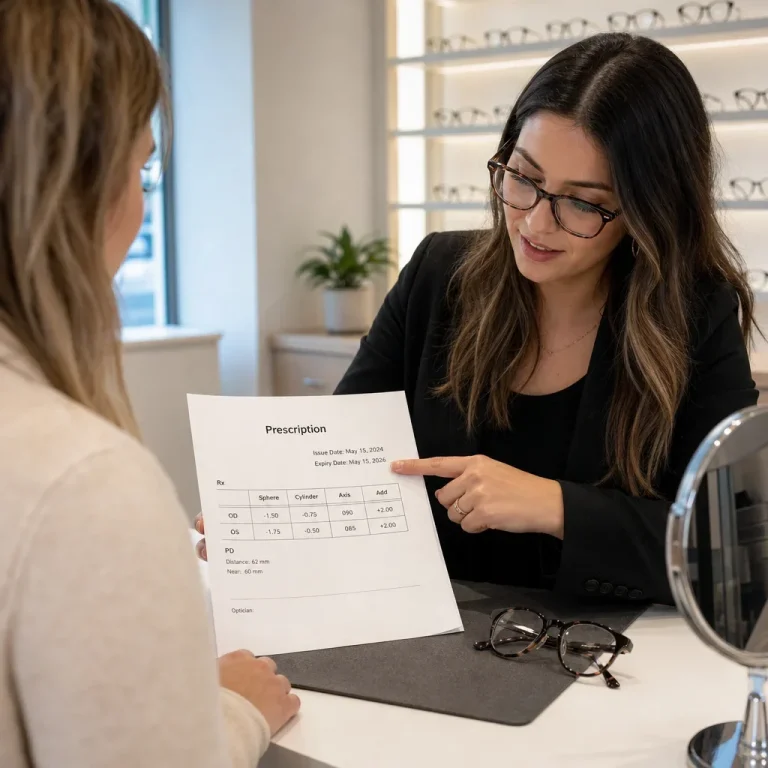
Can I get glasses with old prescription details in Ontario? Sometimes, but only when the prescription remains valid and the optical provider accepts it. An expired prescription generally needs an updated eye exam before new prescription lenses are made.
Quick answer: An old prescription is not automatically expired. Check the expiry date written by the prescriber first. If that date has passed, contact the original optometrist or optical provider rather than assuming a new pair can be ordered. Ontario dispensing requirements and provider policies can differ by patient, prescription, age, eye-health history, and service.
This guide separates four issues that get mixed together: buying new glasses, continuing to wear an existing pair, replacing lenses in an old frame, and ordering glasses online. It is general information for Waterloo and Kitchener-Waterloo residents, not personal medical advice.
Quick Answer: Can You Get Glasses With an Old or Expired Prescription?
A still-valid prescription may be used for new glasses if the dispenser can verify the prescription and the lenses suit the frame you choose. A prescription that has passed its stated expiry date may require a new comprehensive eye exam before new lenses can be dispensed.
An old prescription can still be useful when it shows a current expiry date, your vision remains comfortable, and the required prescription details are complete. The issue date alone does not determine whether you can get new glasses with an old prescription.
An expired prescription is different because the prescriber has set a date after which it is no longer intended for dispensing. Do not rely on United States retail rules when asking whether you can get glasses with an expired prescription in Ontario. Ontario-focused confirmation should come from the prescriber or optical provider handling the order.
Old Prescription Versus Expired Prescription
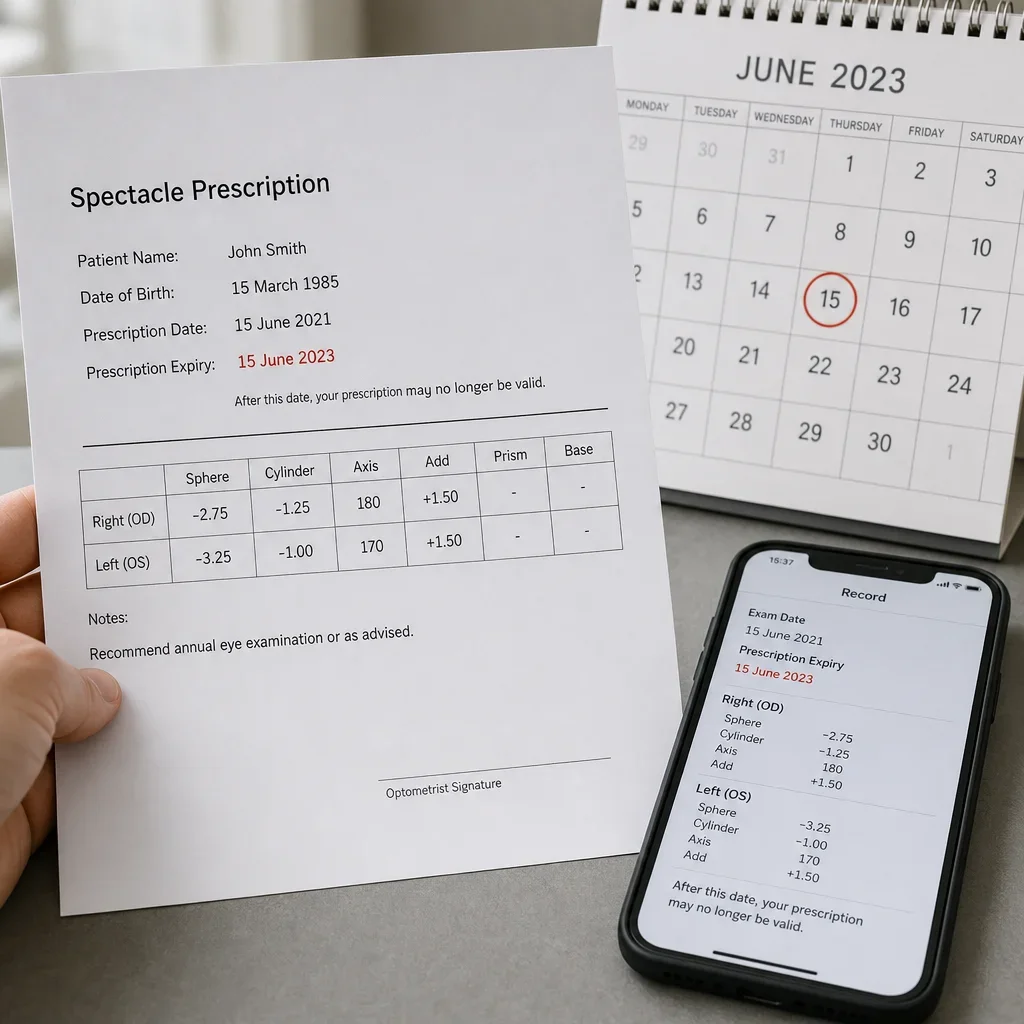
An old prescription is simply one issued some time ago, while an expired prescription is one past the expiry date stated by the prescriber. The expiry date on your own written or electronic prescription is the most relevant starting point.
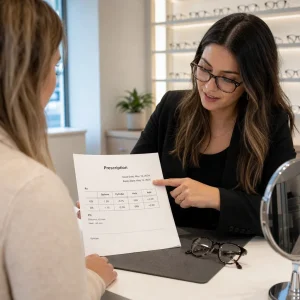
You can usually find the issue date and expiry date near the patient details, prescriber details, or signature area of a printed prescription. A patient portal, email attachment, or clinic record may also contain the same prescription document.
A lost prescription can be retrieved by contacting the optometrist or clinic that performed the exam and asking for a copy of the eyeglass prescription. The clinic can confirm whether the document remains valid and whether a further assessment is needed.
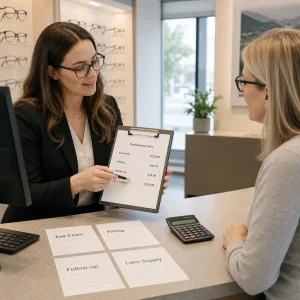
Before ordering, confirm that the prescription names the patient and includes right-eye and left-eye values, usually marked OD and OS. Sphere, cylinder, axis, add power, and prism are needed when they apply; pupillary distance may also be needed to make and position lenses correctly.
Prescription details to check before choosing frames
- Patient name, issue date, and expiry date.
- OD and OS values for each eye.
- Sphere, cylinder, and axis where astigmatism is present.
- Add power for bifocal or progressive lenses.
- Prism values, if prescribed.
- Pupillary distance or an in-person measurement where required for the lens design.
What You Can and Cannot Do With an Old Prescription
A valid prescription may support a new pair of glasses, but it does not guarantee that every frame can take every lens. Lens thickness, prescription strength, frame curve, lens material, and fitting position can affect whether a selected frame is suitable.
| Situation | With a still-valid prescription | With an expired prescription | Best next step |
|---|---|---|---|
| New prescription glasses | A dispenser may be able to make lenses after reviewing the prescription and frame. | Do not assume new lenses can be made. | Confirm the expiry date and dispensing requirements. |
| New lenses in an existing frame | Possible if the frame is structurally sound and suitable for the new lenses. | An updated exam may be needed before lenses are ordered. | Bring the frame for an in-person assessment. |
| Existing glasses still being worn | Existing glasses can remain a temporary pair if vision is comfortable. | Expiry does not physically stop the glasses from being worn. | Arrange assessment if vision changes or symptoms develop. |
| Broken frame with usable lenses | Lens transfer depends on lens shape, frame condition, and compatibility. | The existing lenses may still be assessed as a repair issue. | Bring the glasses in before buying a replacement frame. |
| Online order | Retailer policy and complete prescription details matter. | Online sellers may reject or verify expired prescriptions. | Check the retailer policy before placing an order. |
Replacing lenses in an existing frame requires more than a prescription. The optician needs to check the frame for cracks, loose mounts, worn hinges, distorted rims, and lens compatibility before deciding whether re-lensing is practical.
Replacing a broken frame without replacing lenses may be possible when the original lenses fit a compatible frame and remain in good condition. Lens shape, bevel design, frame size, and the condition of the lens edges determine whether a transfer can work.
How Long Is a Glasses Prescription Valid in Ontario?
Your own prescription expiry date is more reliable than a general internet rule about how long a glasses prescription lasts. Ontario patients should confirm the date with the prescribing optometrist or the optical provider before selecting new lenses.
A prescription validity period can reflect the patient’s age, visual history, prescription changes, and eye-health needs. Children, people with progressing myopia, people with diabetes, and patients being monitored for eye disease may need different follow-up timing than other adults.
A two-year-old prescription is not automatically valid or automatically unusable. The determining facts are the expiry date written by the prescriber, whether vision has changed, and whether the dispenser can accept the prescription for the requested lenses.
A person close to the expiry date should contact the optical provider before ordering frames or lenses. Frame selection can take time, and a current prescription does not guarantee that an order can be completed after the stated expiry date.
Why Glasses Prescriptions Expire
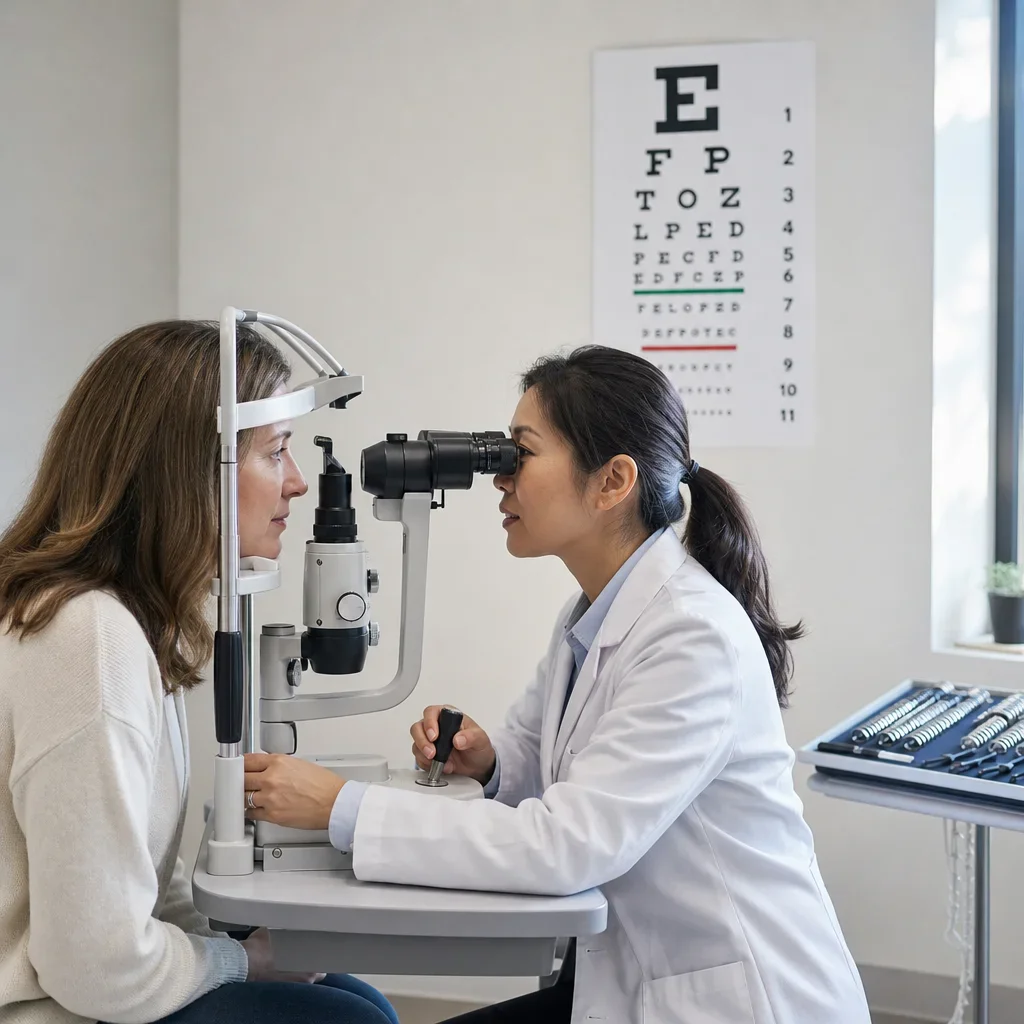
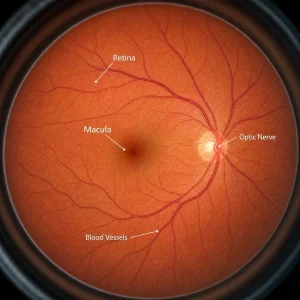
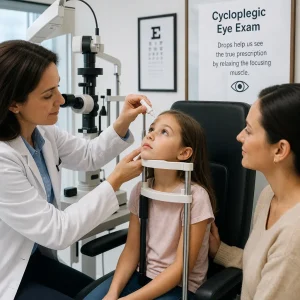
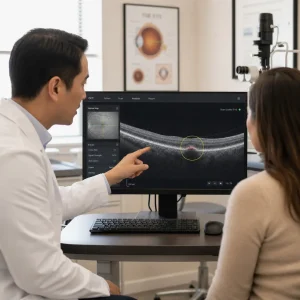
Prescription expiry is tied to both visual changes and eye-health assessment, not just replacing glasses. A comprehensive eye exam assesses refractive needs and can also evaluate eye-health findings that a glasses-only measurement may not identify.
Myopia, hyperopia, astigmatism, and presbyopia can change over time. Changes may be more relevant during childhood growth, with age-related vision changes, after medication changes, or when health conditions affect vision.
An expired prescription does not prove that your vision has changed or that an eye condition is present. It means the prescription should not be treated as current without the prescriber or a qualified eye-care professional reviewing the situation.
What Happens If You Wear Old or Expired Prescription Glasses?
Old glasses may provide less clear or less comfortable vision when the prescription no longer matches your needs. Blurred vision, squinting, eye strain, headaches, fatigue, dizziness, and trouble shifting focus between distances can occur for different reasons and need individual assessment.
Old glasses may be a reasonable backup pair for some people while they arrange care, but they should not delay assessment when vision is impaired or symptoms are new. Driving, schoolwork, computer tasks, and detailed work require vision that is comfortable and functional for the activity.
Incorrect or expired glasses should not be described as always harmless or always damaging. Symptoms can come from prescription changes, lens damage, poor frame alignment, dry eye, illness, medication effects, or eye-health concerns.
Seek prompt professional care for sudden vision loss, flashes, a curtain or shadow in vision, severe eye pain, sudden double vision, eye injury, or a severe new headache with visual symptoms. These symptoms need professional guidance rather than an online glasses order.
Is Blurry Vision Caused by Your Prescription, Lenses, or Frames?
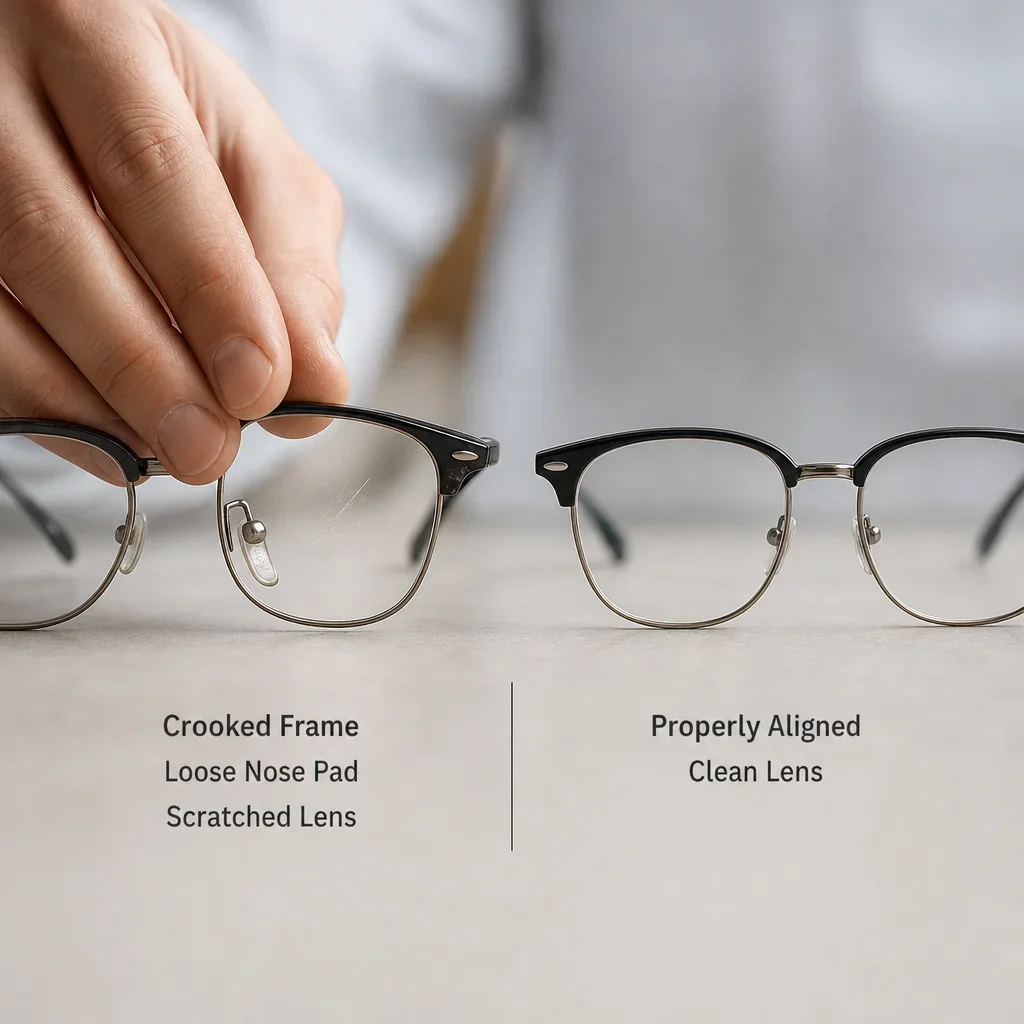
Blurred vision is not always proof that you need a new prescription. Lenses, coatings, frame alignment, and progressive-lens positioning can each change how clearly glasses perform.
| What you notice | Possible cause | Practical next step |
|---|---|---|
| Vision has gradually changed at distance or near | Prescription may no longer meet your visual needs. | Check the prescription expiry and arrange an eye exam if needed. |
| Vision looks hazy despite cleaning | Lens coating may be damaged or peeling. | Have the lenses inspected before replacing the glasses. |
| Glare or scattered light appears around scratches | Surface scratches can reduce lens clarity. | Ask an optician to assess lens condition and replacement options. |
| Glasses sit crooked after being dropped | Frame alignment can alter lens position in front of the eyes. | Get a professional adjustment and alignment check. |
| Progressive lenses feel wrong after a frame bend | Progressive corridors depend on fitting position and frame alignment. | Have the frame and fitting measurements reviewed. |
| One lens appears clearer when glasses are pushed up | Fit, nose-pad position, or frame tilt may be affecting lens placement. | Request an adjustment before assuming the prescription changed. |
Frame alignment matters more with progressive lenses, stronger prescriptions, prism, and multifocal designs because lens placement affects where you look through the optics. A professional adjustment can identify a fit issue without guessing at the cause.
Premier Optical offers free repairs and adjustments, subject to the condition of the eyewear and service limitations. An optician can inspect a bent frame, loose screw, worn nose pads, scratched lens, or fit concern before you replace a pair that may still be serviceable.
Can You Order Glasses Online With an Expired Prescription?
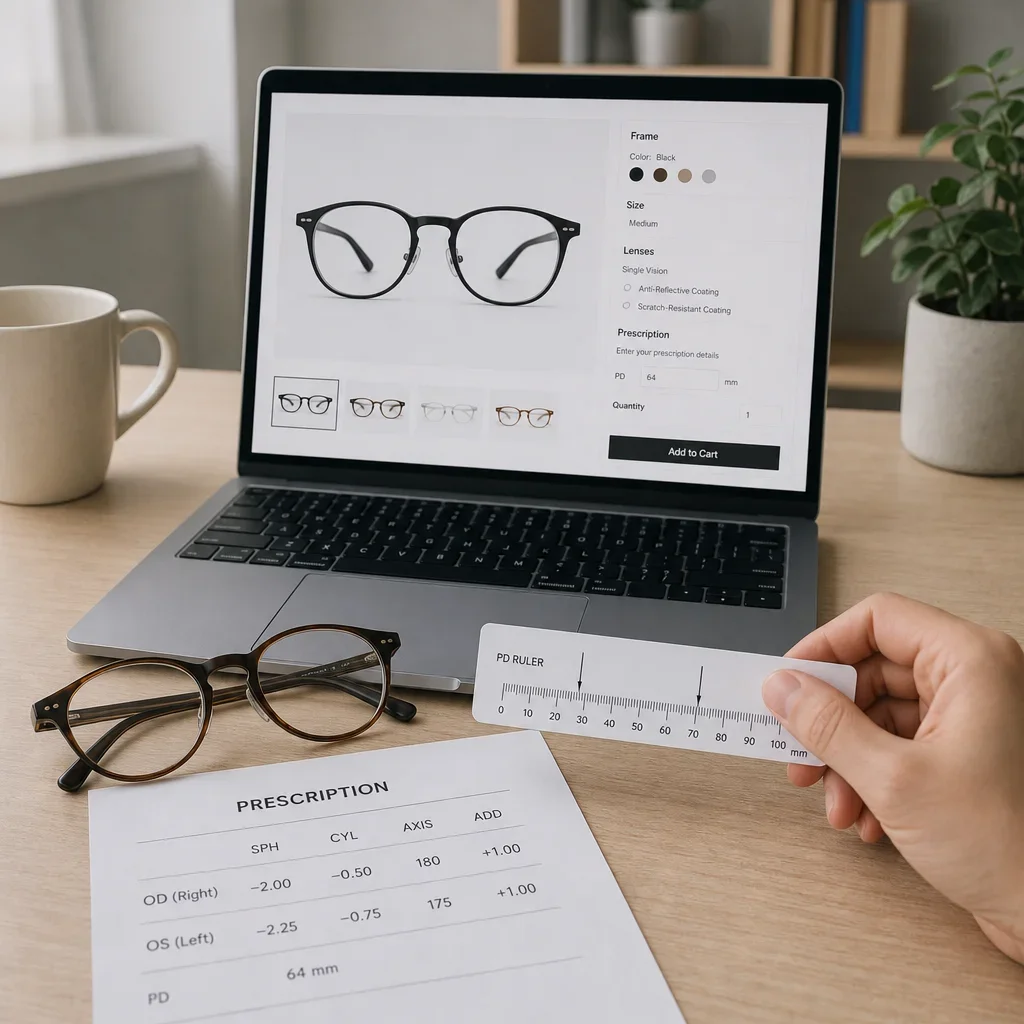
Online glasses retailers set their own prescription-verification policies, and an expired prescription may be rejected or require further confirmation. An online order does not make an expired eye prescription current.
Ordering online also requires accurate lens and fitting information. Pupillary distance, frame dimensions, optical-centre placement, and progressive fitting measurements can affect lens performance, especially with stronger prescriptions or multifocal lenses.
Online glasses with expired prescription details can create added risk when the order involves progressives, prism, strong astigmatism, specialty tints, or a highly curved frame. These lens designs may need in-person measurements and frame adjustment to position the optics correctly.
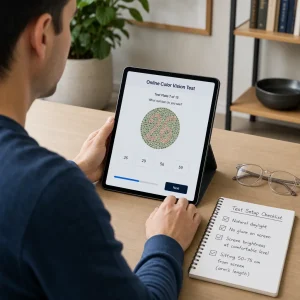
An online vision screening or app is not automatically equivalent to a comprehensive eye exam. Whether a remote option is appropriate depends on the service, Ontario requirements, age, health history, symptoms, and clinical judgment.
What To Do When Your Prescription Is Expired
A current prescription with comfortable vision supports the simplest path: bring the prescription to an optician for frame and lens selection. The optician can confirm that the lens design and frame are compatible before lenses are ordered.
A prescription nearing expiry should be checked before money is spent on frames, upgrades, or prescription sunglasses. Do not assume there is a grace period after the stated expiry date.
An expired prescription calls for confirmation from the prescriber or an updated eye exam rather than a guess. No symptoms do not confirm that your prescription or eye health remains current.
New blur, pain, flashes, sudden visual changes, injury, or double vision should lead to prompt professional guidance rather than a routine eyewear purchase. These symptoms require assessment beyond selecting a new frame.
Broken glasses should be brought in for inspection when possible. Repair, adjustment, lens transfer, frame replacement, or new lenses depend on the physical condition and compatibility of the existing eyewear.
Special Cases: Progressives, Astigmatism, Sunglasses, and Designer Frames
Progressive lenses need precise fitting measurements because the distance, intermediate, and near zones sit in defined areas of the lens. A frame change can alter lens height, tilt, wrap, and vertex distance, even when the written prescription is unchanged.
Astigmatism values include cylinder and axis, and those values should not be copied from a different pair by guesswork. The axis describes the orientation of astigmatism correction and is part of the prescription written for each eye.
Prescription sunglasses still require a valid prescription when prescription lenses are being made. Lens feasibility also depends on the frame’s curve, lens size, tint choice, and the prescription requirements.
Ready-made readers are not a one-for-one replacement for custom prescription glasses when the eyes have different powers, astigmatism, prism, or multifocal needs. They provide equal magnification in both lenses rather than individualized correction.
Designer frames and existing luxury eyewear should be assessed before re-lensing. Frame material, rim construction, hinge condition, lens shape, and the requested lens design determine whether the frame remains a good candidate.
Eye Exams and Prescription Glasses in Waterloo
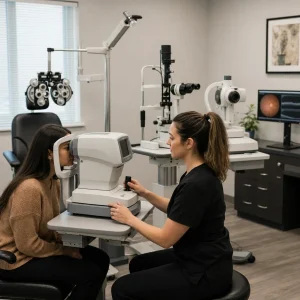
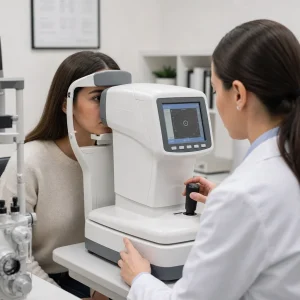
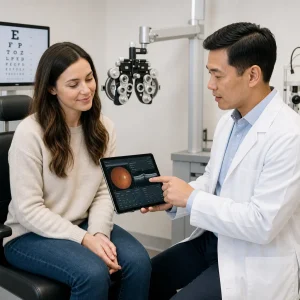
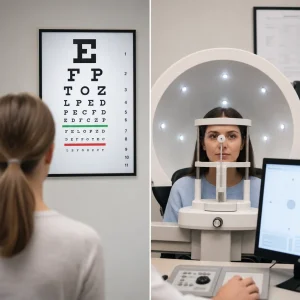
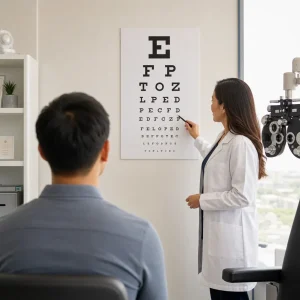
A comprehensive eye exam can confirm whether your prescription has changed and can assess eye health before you invest in replacement glasses. This is the appropriate next step when a prescription is expired, vision has changed, or you are unsure whether an old prescription can still be used.
At Premier Optical, Waterloo patients can arrange an eye exam, discuss their prescription, work with an optician on frame fitting, and review lens options in one location. The clinic combines licensed optometrists, experienced opticians, designer eyewear, and an in-house lens lab.
Patients with a current and accepted prescription can bring it in for prescription glasses, sunglasses, frame fitting, and lens selection. Premier Optical also offers direct insurance billing and free repairs or adjustments, subject to applicable service terms.
One-hour lenses may be available for eligible prescriptions and lens options through the in-house lens lab. Eligibility depends on the prescription, lens design, material, coatings, frame choice, and current lab capacity.
For Waterloo and Kitchener-Waterloo residents, book a comprehensive eye exam when the prescription is expired, your vision has changed, or your glasses are no longer performing properly. If your prescription is still current, bring it with you for an optician-led review of frames and lenses.
Frequently Asked Questions
Expired prescriptions in Ontario
An expired prescription may not be accepted for new prescription lenses. Confirm the expiry date with the prescriber or optical provider instead of assuming that an expired document can be filled.
Two-year-old glasses prescriptions
A two-year-old prescription may be usable only when its stated validity period has not passed and the provider accepts it. The age of the document is less important than the written expiry date and your current visual needs.
Wearing old glasses after expiry
Existing glasses can still be worn as physical eyewear after the prescription expires, but they may no longer provide clear or comfortable vision. New symptoms or reduced function should lead to professional assessment.
Ordering online with an expired prescription
Online retailers may verify prescriptions or decline expired ones under their own policies. Online ordering does not replace a current prescription or a comprehensive eye assessment when one is needed.
Getting a copy of an old prescription
The original optometrist or clinic can provide a copy of your record and confirm whether the prescription remains valid. Keep the written copy or secure digital document for future eyewear orders.
New lenses in existing frames
Existing frames can sometimes take new lenses when the frame remains structurally sound and suits the new lens design. An optician needs to inspect the frame before re-lensing is confirmed.
Replacing a broken frame without a new exam
A replacement frame or lens transfer may be possible when existing lenses fit a compatible frame and remain undamaged. Frame size, shape, lens edging, and lens condition determine whether that option works.
Distinguishing an outdated prescription from damaged glasses
Scratches, coating damage, dirt, loose frames, and bent alignment can all reduce clarity without a prescription change. An optical inspection can identify visible lens or frame issues before you replace lenses.
Old prescriptions for progressives or sunglasses
Progressives and prescription sunglasses still depend on a valid prescription and appropriate fitting. Progressive lenses also require measurements that match the selected frame and how it sits on your face.
Expired prescriptions with no symptoms
No symptoms do not prove that your prescription and eye health are current. An eye exam remains the appropriate way to confirm vision needs after a prescription has expired.