Is a comprehensive eye exam vs routine eye exam really a meaningful difference? Yes, but the appointment labels are not used identically by every clinic, insurer, or employer.
A comprehensive eye exam generally assesses both your vision and the health of your eyes. A routine eye exam may mean a preventive visit, a prescription update, or a standard eye-health check, depending on the clinic and reason for booking. The practical step is to explain your goal, symptoms, and any failed screening when you book.
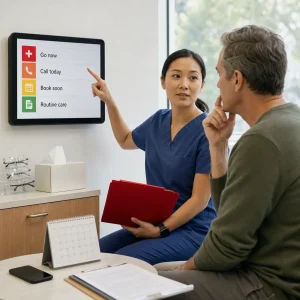
Do not wait for a routine appointment with sudden vision loss, a curtain-like shadow, severe eye pain, a serious eye injury, new flashes with many floaters, or sudden double vision. These symptoms need prompt medical guidance or urgent assessment.
Comprehensive Eye Exam vs Routine Eye Exam: The Quick Answer
A comprehensive eye exam looks beyond how clearly you see. It usually combines a vision assessment with an optometrist’s assessment of eye structures and eye-health risk factors.
A routine eye exam can still include meaningful eye-health assessment. The term commonly describes a preventive or prescription-focused appointment, but its scope depends on the provider, your history, and the findings during the visit.
A glasses prescription is only one part of an eye examination. Refraction measures the lens power that may sharpen vision, while eye-health testing looks for signs that need monitoring, further testing, or referral.
Which Type of Eye Appointment Do You Need Right Now?
The right booking type starts with the reason for your visit, not with anticipated insurance coverage. Symptoms, a failed screening, contact lens needs, family history, and a known eye condition can change the clinical assessment needed.
| Your goal or concern | Best next step | Why it fits | Call before booking when |
|---|---|---|---|
| Update glasses because vision has changed | Eye exam with refraction | An optometrist can assess vision and determine whether a glasses prescription is appropriate. | You also have headaches, pain, flashes, floaters, or sudden blur. |
| Preventive eye-health care | Comprehensive or routine eye exam | Clinics may use different labels for preventive examinations. | You have diabetes, prior eye disease, glaucoma risk, or a major prescription change. |
| Failed school or workplace screening | Comprehensive eye exam | A screening identifies a possible concern but does not diagnose the cause. | The child has an eye turn, new headaches, reading difficulty, or noticeable squinting. |
| Contact lens wear or interest in contacts | Eye exam plus contact lens assessment | Contact lenses require fit, vision, comfort, and eye-surface considerations beyond a glasses prescription. | You have redness, pain, light sensitivity, or reduced vision while wearing lenses. |
| Diabetes, glaucoma monitoring, injury, or new concerning symptoms | Medical or diagnostic eye assessment | The reason for care may require targeted testing, monitoring, or referral. | Symptoms are sudden or severe, because urgent assessment may be needed. |
| Driving, employment, or school form | Confirm the exact form requirement first | A vision test for an administrative purpose does not automatically replace an eye-health examination. | The organization requires a specific provider, form, or test standard. |
A vision screening may meet a limited administrative requirement when the organization accepts it. It should not be treated as an automatic substitute for an optometrist assessment, especially after a failed result or when symptoms are present.
Eye Exam, Vision Exam, Eye Test, Sight Test, and Vision Screening
Everyday language is inconsistent, so the purpose matters more than the label. An eye exam or vision exam commonly refers to an optometrist appointment, while a vision test may refer only to clarity of sight at a set distance.
| Term | Plain-English meaning | Typical purpose | Key limitation |
|---|---|---|---|
| Comprehensive eye exam | A broader assessment of vision and eye health | Preventive care, symptoms, risk factors, and prescription needs. | Tests are adapted to the patient; not every test is performed for every person. |
| Routine eye exam | A standard preventive or prescription-focused appointment | Regular eye care and changes in vision. | The exact scope is not standardized by the everyday label alone. |
| Medical eye exam | An assessment prompted by symptoms, injury, disease, or a clinical concern | Diagnosis, monitoring, treatment planning, or referral. | The patient does not choose the clinical classification; findings and circumstances guide it. |
| Vision test or sight test | A measurement of visual acuity or a specific visual task | Reading an eye chart, driving requirements, or basic vision checks. | Clear distance vision does not rule out all eye-health or focusing concerns. |
| Vision screening test | A limited check that identifies people who may need further assessment | School, workplace, community, or retail screening. | Screening is not diagnostic and does not replace a full clinical assessment. |
The difference between an eye exam vs vision exam is usually small in everyday conversation. Both terms can describe a visit with an optometrist, but patients should confirm whether the appointment includes refraction, eye-health assessment, contact lens services, or a form.
The difference between a vision test vs eye exam is more significant. Visual acuity testing checks how clearly you see at a chosen distance, while an eye exam can assess prescription needs, eye coordination, pressure, and the visible structures of the eye when clinically indicated.
Online and automated results are not the same as a clinical prescription. A regulated eye-care provider must assess the patient and issue a prescription according to applicable professional requirements.
What Happens During a Comprehensive Eye Exam?
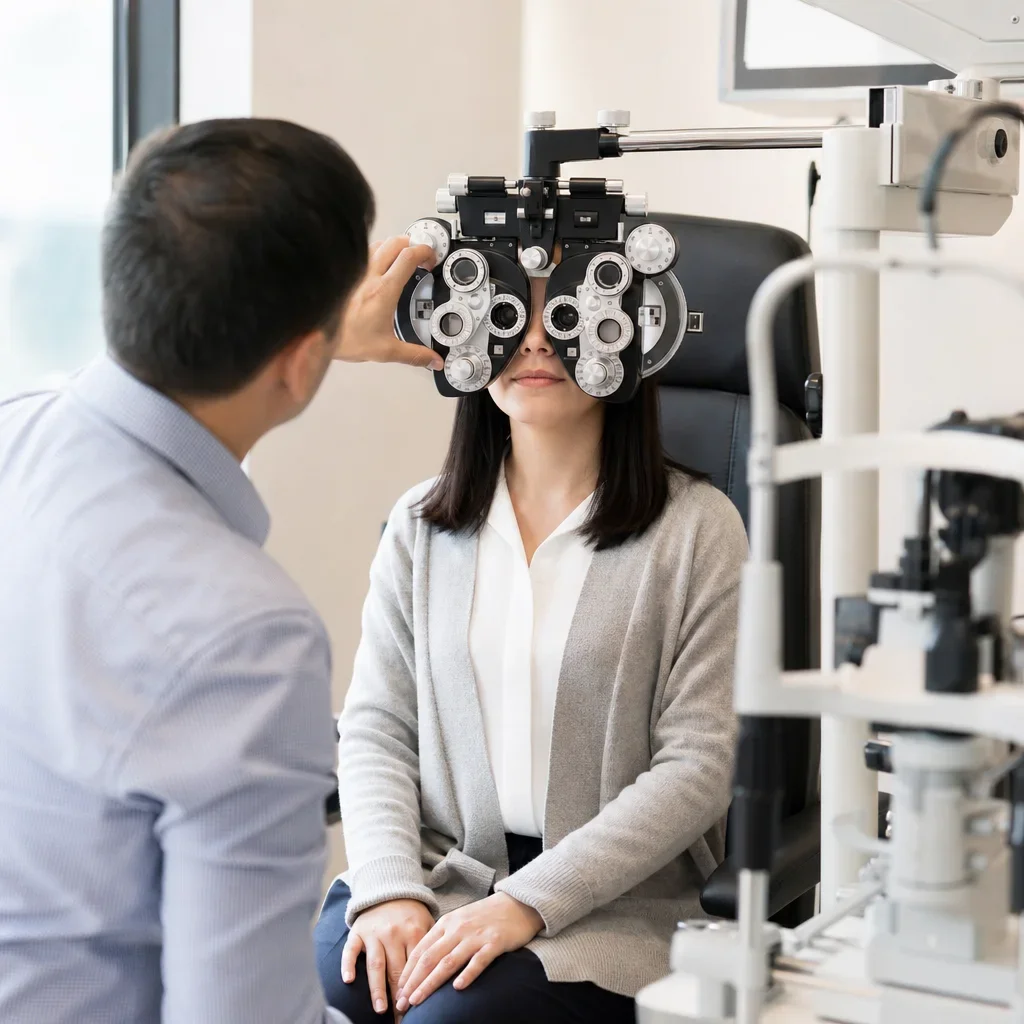
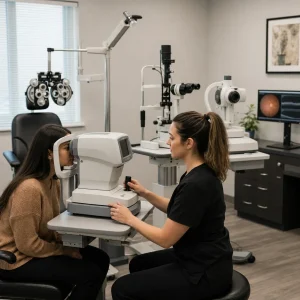
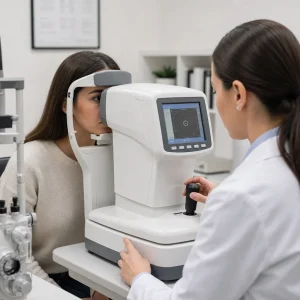
A comprehensive eye test is tailored to your age, symptoms, health history, medication use, family history, and examination findings. That is why two patients may not receive the identical test sequence.
Possible components of a comprehensive eye exam include:
- Health history, eye history, medications, symptoms, and family history.
- Visual acuity testing for distance and, when needed, near vision.
- Refraction to determine whether glasses may improve vision.
- Assessment of eye movement, focusing, or coordination when indicated.
- Eye-pressure measurement as one part of glaucoma assessment.
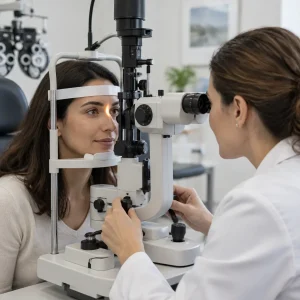
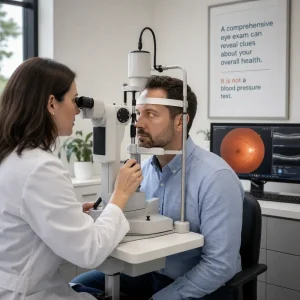
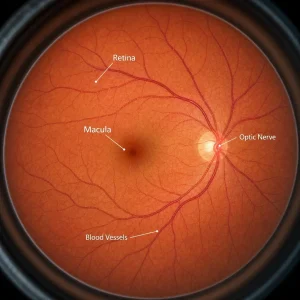
- Examination of the front and back structures of the eye.
- Additional testing, such as dilation, retinal imaging, visual fields, OCT, or colour vision testing, when clinically indicated.
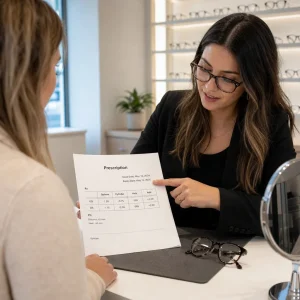
A comprehensive eye exam may include a glasses prescription when refraction is performed and the optometrist determines a prescription is appropriate. A contact lens prescription is separate because contact lenses require additional fitting, material, comfort, and eye-health considerations.
Dilation is not guaranteed in every appointment. Dilating drops enlarge the pupil so the optometrist can obtain a wider view of internal eye structures, and the decision depends on clinical need and the patient’s circumstances.
Bring your current glasses, contact lens information, medication list, health card if applicable, insurance details, and notes about symptoms or previous eye conditions. These details help the optometrist interpret test results in context.
What Can a Comprehensive Eye Exam Help Detect?
A comprehensive eye exam can identify signs of eye disease and findings that warrant medical follow-up. It cannot diagnose every health condition in the body on its own.
An optometrist may assess for signs associated with glaucoma, cataracts, macular degeneration, diabetic eye disease, retinal concerns, dry eye, and other eye conditions. The assessment and any diagnosis depend on examination findings, testing, and the optometrist’s clinical judgment.
Eye examinations can detect glaucoma early in some patients because glaucoma may have no noticeable symptoms at first. Eye pressure alone does not diagnose glaucoma, so optometrists consider the optic nerve, pressure readings, visual field findings, and other clinical information when indicated.
The first signs of glaucoma can be silent. In more advanced disease, some people notice missing peripheral vision, but waiting for that change can delay assessment.
An eye exam may reveal retinal findings associated with diabetes, blood pressure, cholesterol, or other systemic health concerns. Those findings can prompt referral or further medical testing, but they do not replace primary-care assessment or laboratory testing.
When a Vision Screening Is Useful, and When It Is Not Enough
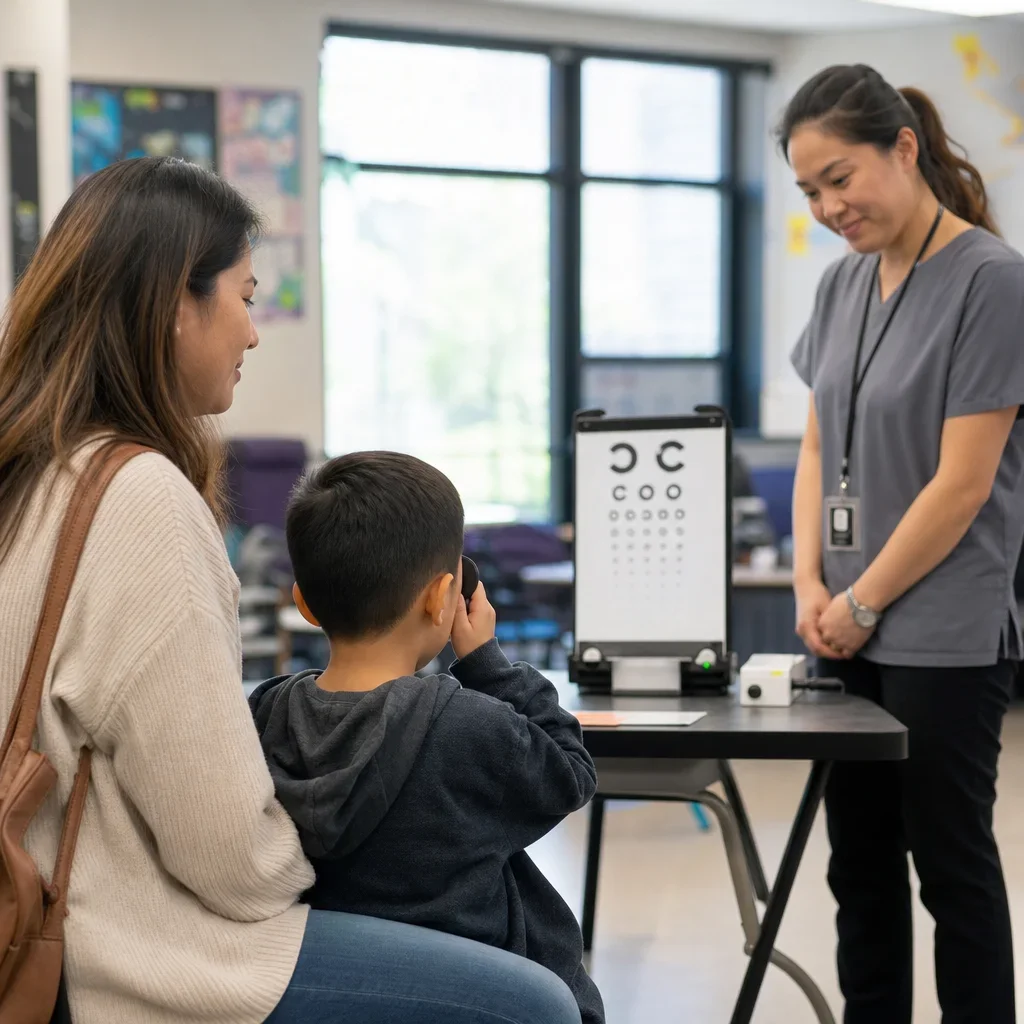
A vision screening is useful for identifying people who may need a full assessment. Its role is to flag a possible concern, not to confirm normal eye health or diagnose a vision problem.
A child can pass a vision screening and still have concerns involving near vision, focusing, eye coordination, intermittent symptoms, or eye health. Children may not realize that their vision differs from what other people experience.
Parents should book an eye exam after a failed screening or when a child squints, sits unusually close to screens, loses their place while reading, avoids close work, has frequent headaches, shows an eye turn, or struggles unexpectedly at school. These signs can have different causes and need a proper assessment.
A driving vision test and a full eye-health examination serve different purposes. Confirm the exact form, provider, and visual standard required by the licensing authority or employer before booking.
Who Needs a Comprehensive Eye Exam and How Often?
Eye-exam frequency should be individualized by an optometrist. Age, vision changes, contact lens use, diabetes, glaucoma risk, high prescriptions, medications, family history, and past eye disease can all change the recommended interval.
The Ontario Association of Optometrists recommends a first eye examination for infants between 6 and 9 months, another examination between ages 2 and 5, and annual examinations for school-age children.
For adults without symptoms or specific risk factors, the Ontario Association of Optometrists recommends an eye examination every 2 years between ages 20 and 64, and annual examinations from age 65 onward.
People with diabetes, glaucoma or glaucoma risk, existing eye disease, certain medications, or contact lens concerns may need more frequent follow-up based on their optometrist’s clinical recommendation.
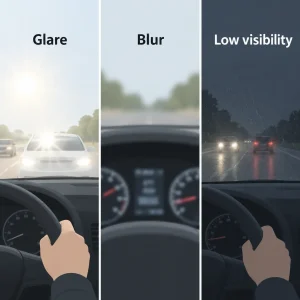
Book a comprehensive eye exam sooner for persistent blur, eye strain, headaches, trouble reading, night-driving changes, double vision, a failed screening, or a change in contact lens comfort. These symptoms do not identify one condition by themselves, but they warrant clinical assessment.
Seek prompt medical guidance rather than waiting for preventive care when symptoms are sudden or severe. Sudden vision loss, severe pain, new flashes with floaters, a curtain-like shadow, neurologic symptoms, or an eye injury need urgent attention.
Medical Eye Exam vs Routine Eye Exam: Why the Reason Matters
A medical eye exam is generally prompted by a symptom, injury, known condition, or concern requiring targeted clinical evaluation. A routine eye exam is commonly preventive or prescription-related, although appointment labels differ across practices.
A stable prescription update and a preventive eye-health visit may fit routine care. New flashes and floaters, a painful red eye, diabetes-related monitoring, glaucoma follow-up, or an eye injury may require a medical or diagnostic assessment instead.
Coverage classification is not something a patient should try to select. The optometrist’s findings, the reason for the visit, and the applicable provincial or private plan rules determine billing and referral steps.
An optometrist can assess eye concerns and may refer to an ophthalmologist when specialized medical or surgical care is required. An ophthalmologist is a physician specializing in eye care and eye surgery.
Ontario Eye Exam Coverage, Private Insurance, and Costs
OHIP coverage for eye examinations in Ontario depends on age, medical eligibility, and the clinical reason for care. Current eligibility should be confirmed through the Government of Ontario and with the clinic before your visit.
Private insurance coverage also depends on the employer plan, policy wording, annual benefit amount, and whether the service is eligible. Direct billing can simplify payment processing, but it does not guarantee that every fee or service is fully covered.
Do not choose a medical or routine appointment based only on what you expect insurance to pay. Describe your symptoms and needs accurately so the clinic can guide you to the appropriate assessment.
Before an eye exam in Waterloo, bring your health card if applicable, insurance card, policyholder details, remaining benefit information, and any referral or form requirements. Ask the clinic about current self-pay fees and what is included before the appointment, because pricing and coverage can change.
FAQ
Is a comprehensive eye exam the same as a regular eye exam?
Not always. A regular eye exam can mean a standard preventive appointment, while a comprehensive exam generally emphasizes both vision and eye-health assessment; clinics may use these terms differently.
Does a comprehensive eye exam include dilation?
Dilation may be used when clinically indicated, but it is not automatically included in every comprehensive examination. The optometrist decides based on your history, symptoms, age, risk factors, and exam findings.
Does a routine eye exam check for glaucoma?
A routine eye exam may include glaucoma-related assessment, depending on the clinic and patient’s needs. Glaucoma assessment is not based on one measurement alone and may involve pressure testing, optic nerve evaluation, visual fields, or other testing when indicated.
Is an eye exam the same as a vision test?
No. A vision test usually measures a specific visual task, such as distance clarity, while an eye exam can also assess prescription needs, eye health, and symptoms.
Is a vision screening the same as an eye exam?
No. A vision screening is a limited check designed to identify people who may need further assessment, while an eye exam is a clinical assessment by an optometrist.
Can a comprehensive eye exam detect diabetes?
An eye exam may identify retinal signs associated with diabetes and lead to referral or follow-up. It does not replace diabetes testing, diagnosis, or ongoing care from a physician or nurse practitioner.
Can an eye exam show high cholesterol?
An optometrist may observe eye findings that warrant medical follow-up for broader health concerns. An eye exam alone cannot confirm high cholesterol, which requires appropriate medical assessment and testing.
How often should you have a comprehensive eye exam?
Frequency depends on age and risk factors. The Ontario Association of Optometrists recommends examinations every 2 years for adults ages 20 to 64 without specific risk factors and annually for adults age 65 and older.
What is the difference between a medical eye exam and a routine eye exam?
A medical eye exam addresses symptoms, injury, disease, or a clinical concern. A routine eye exam is generally preventive or prescription-focused, though the exact appointment label can vary by clinic.
Does a comprehensive eye exam include a glasses prescription?
It may. If refraction is performed and the optometrist determines that a prescription is appropriate, the examination can provide a glasses prescription; contact lens prescriptions require separate fitting considerations.
Are eye exams covered by OHIP in Ontario?
OHIP eligibility depends on age, medical eligibility, and the reason for care. Confirm current coverage through the Government of Ontario, your clinic, and your private insurer before the appointment.
Book an Eye Exam in Waterloo
Premier Optical provides one-location eye care in Waterloo, with licensed optometrists, experienced opticians, frame fitting, and an in-house lens lab.
When booking, describe whether you need preventive care, a glasses prescription update, contact lens support, follow-up after a screening, or assessment of a new concern. That information helps the team schedule the most appropriate visit.
For routine eye care, a comprehensive eye exam at Premier Optical can connect the clinical assessment with eyewear selection and lens crafting in the same location. Direct insurance billing is available, subject to your plan’s coverage and applicable conditions.
For sudden or severe symptoms, contact an urgent-care provider or seek emergency assessment rather than relying on standard online booking.