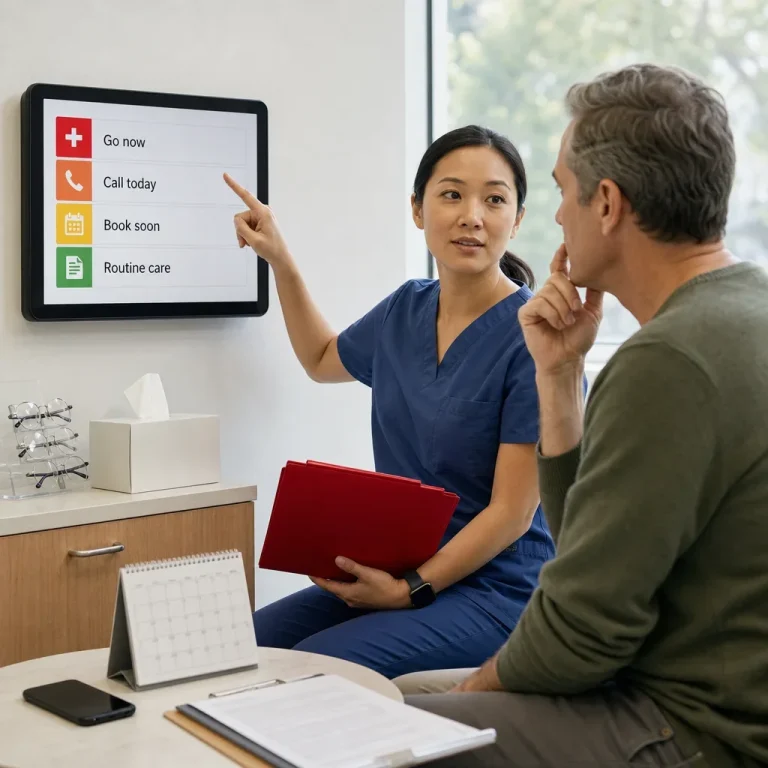
When should I get my eyes checked? Book a comprehensive eye exam regularly, even when your vision seems normal. Do not wait for a routine eye exam when vision changes suddenly, pain is severe, an eye is injured, or neurological symptoms appear.
This guide helps Waterloo and Kitchener patients decide whether to seek emergency help, call for urgent advice, book soon, or schedule preventive care. It is general information, not a diagnosis or a substitute for advice from an optometrist, physician, or emergency provider.
The Quick Answer: When Should You Get Your Eyes Checked?
Your timing depends on symptoms, age, prescription needs, contact lens use, family history, medical conditions, and prior eye findings. A comprehensive exam checks both vision and eye health, so clear sight alone does not rule out an eye condition.
Sudden vision loss, a curtain or shadow in your vision, severe eye pain, chemical exposure, serious eye trauma, or stroke-like symptoms need emergency assessment. Facial droop, arm weakness, speech difficulty, confusion, or a sudden severe headache are reasons to call emergency services rather than wait for an eye appointment.
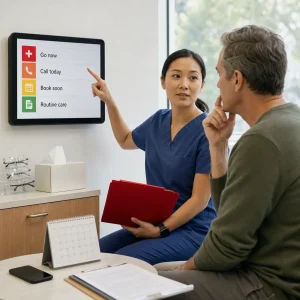
Eye Symptoms: Go Now, Call Today, Book Soon, or Schedule Routine Care
Use this decision guide when you are deciding when to see an eye doctor. Symptom patterns overlap, and no online checklist can identify the cause of an eye problem.
| Action needed | Example symptoms | Why timing matters | Where to seek help |
|---|---|---|---|
| Go now | Sudden vision loss, a curtain or dark shadow, major eye injury, chemical exposure, severe eye pain with nausea or vomiting, or stroke-like symptoms | These symptoms can involve the retina, eye pressure, brain, or a serious injury. | Call emergency services or go to an emergency department. |
| Call today | New flashes with a shower of floaters, a new one-sided visual change, painful red eye, contact-lens pain with redness or light sensitivity, or rapidly worsening discharge | Prompt assessment can determine whether emergency or urgent eye care is needed. | Call an optometrist, urgent care provider, or emergency department for direction. |
| Book soon | Gradually worsening blur, night-driving difficulty, repeated headaches with visual tasks, squinting, persistent dryness, halos, intermittent double vision, or an ineffective prescription | These symptoms can affect daily vision and may need an updated prescription or eye-health assessment. | Book a comprehensive eye exam. |
| Routine care | No new symptoms, but you are due based on age, health history, glasses, or contact lens needs | Eye disease can develop before it causes noticeable sight changes. | Schedule preventive eye care. |
A mild symptom still deserves attention if it persists, returns, worsens, or affects one eye only. One-sided blur, recurring flashes, or intermittent double vision should not be dismissed simply because the symptom comes and goes.
A bloodshot eye can result from irritation, allergy, dryness, or infection, but pain, light sensitivity, discharge, reduced vision, trauma, or contact lens wear changes the urgency. A red eye with any of those features needs same-day professional advice.
10 Signs You Should Book an Eye Exam Soon
These 10 signs can mean you need an eye test, a prescription review, or an eye-health examination. They are not a diagnosis on their own.
- Blurred distance or near vision can signal a refractive change, meaning your eyes may no longer focus clearly without updated glasses or contact lenses.
- Frequent squinting can be a sign that you are trying to sharpen an unfocused image.
- Headaches or eye strain during reading, computer work, or driving can relate to prescription needs, focusing effort, dry eyes, or other visual demands.
- Trouble shifting focus between near and far tasks can become more noticeable with age or changing visual demands.
- Night-driving difficulty can involve glare sensitivity, reduced contrast, prescription changes, or eye-health concerns.
- Halos around lights or increasing glare should be assessed, especially when they are new or occur with pain or redness.
- Dry, gritty, itchy, watery, or tired eyes can reflect surface irritation, reduced blinking, contact lens issues, or other causes.
- A prescription that no longer feels effective is a reason to review both vision and eye health.
- Persistent redness or discomfort deserves professional advice when it does not settle or comes with reduced vision.
- New floaters, flashes, double vision, light sensitivity, or pain need more prompt assessment than a routine glasses update.
The first signs of needing glasses are commonly gradual blur, squinting, eye fatigue, headaches during close work, or difficulty seeing road signs. The need for glasses depends on symptoms, visual tasks, and clinical findings, not one small prescription measurement.
How Often Should You Get an Eye Exam? A Guide by Age and Risk

The right interval is individualized by an optometrist, particularly when there is a medical condition, a family history of eye disease, or a diagnosed eye condition. Canadian guidance commonly uses age and risk to set a preventive schedule.
| Group | General eye-exam guidance | Why follow-up may change |
|---|---|---|
| Infants and young children | A first comprehensive eye exam is commonly recommended within the first year of life. | Development, family history, symptoms, and clinician findings can change timing. |
| Preschool children | An exam is commonly recommended before starting school. | A child can have a vision concern without reporting it. |
| School-age children | Annual exams are commonly recommended during school years. | Reading demands, myopia progression, headaches, and classroom concerns may require closer follow-up. |
| Adults without known risk factors | Preventive exams are commonly scheduled every 1 to 2 years or every 2 to 3 years, depending on age and clinical guidance. | Prescription changes, symptoms, and family history can shorten the interval. |
| Adults age 65 and older | Annual to every 1 to 2 years is commonly recommended. | Cataracts, glaucoma, macular changes, medications, and health conditions become more relevant with age. |
| People with diabetes | A comprehensive dilated eye assessment is commonly recommended annually. | Diabetes-related eye findings can require a different schedule set by the eye-care provider. |
| Contact lens wearers or people with changing prescriptions | Follow the interval set by the examining optometrist. | Lens type, eye-surface health, prescription changes, and exam findings guide follow-up. |
| Glaucoma or glaucoma risk | Follow the interval set by the eye-care provider. | Eye pressure, optic nerve appearance, visual fields, family history, and testing results determine monitoring. |
Glaucoma can develop without obvious early symptoms because it may affect peripheral vision gradually. A comprehensive eye exam can assess eye pressure, the optic nerve, and other findings that help identify glaucoma risk early.
Children do not always say that they cannot see clearly. Sitting very close to screens, losing place while reading, avoiding books, rubbing eyes, blinking excessively, headaches, head tilting, covering one eye, squinting, poor hand-eye coordination, or teacher concerns are reasons to arrange an eye exam.
A school vision screening is useful, but it does not replace a comprehensive eye exam. Screenings may not assess eye health, focusing, eye coordination, or every refractive error.
A person with dementia can often still have an eye assessment when the clinic knows about communication, mobility, sensory, and support needs beforehand. Caregivers can help by bringing current glasses, health information, and practical details that make the visit more comfortable.
Waterloo and Kitchener residents who are due for preventive care can book a comprehensive eye exam before symptoms interfere with work, school, driving, or reading.
Health Conditions, Life Changes, and Medications That Can Mean More Frequent Eye Care
Diabetes, high blood pressure, vascular risk, autoimmune disease, thyroid disease, migraine with visual symptoms, neurological conditions, and a family history of glaucoma, macular degeneration, or retinal disease are reasons to discuss eye-exam timing with an optometrist and primary-care team. These conditions can affect the eyes or change the need for monitoring.
An eye exam may reveal signs that warrant medical follow-up, but it cannot independently confirm high cholesterol, stroke, a brain condition, cancer, or another systemic diagnosis. Blood testing, imaging, and assessment by the appropriate medical professional remain necessary when those conditions are suspected.
Pregnancy can bring temporary vision changes, but new visual symptoms with a severe headache, swelling, or blood-pressure concerns need prompt medical guidance. Those symptoms should not be treated as a routine prescription issue alone.
Medication changes can affect vision or eye comfort in some people. Bring a complete list of prescription medicines, over-the-counter products, and supplements to your exam, and seek professional advice if new visual symptoms begin after a medication change.
Smoking and vaping are relevant health-history details because vascular and inflammatory factors can affect eye health. Discuss eye symptoms and broader health concerns with an appropriate health professional rather than trying to self-diagnose the cause.
Are Screens Causing Your Symptoms? The 20-20-20 Rule and When to Book an Exam
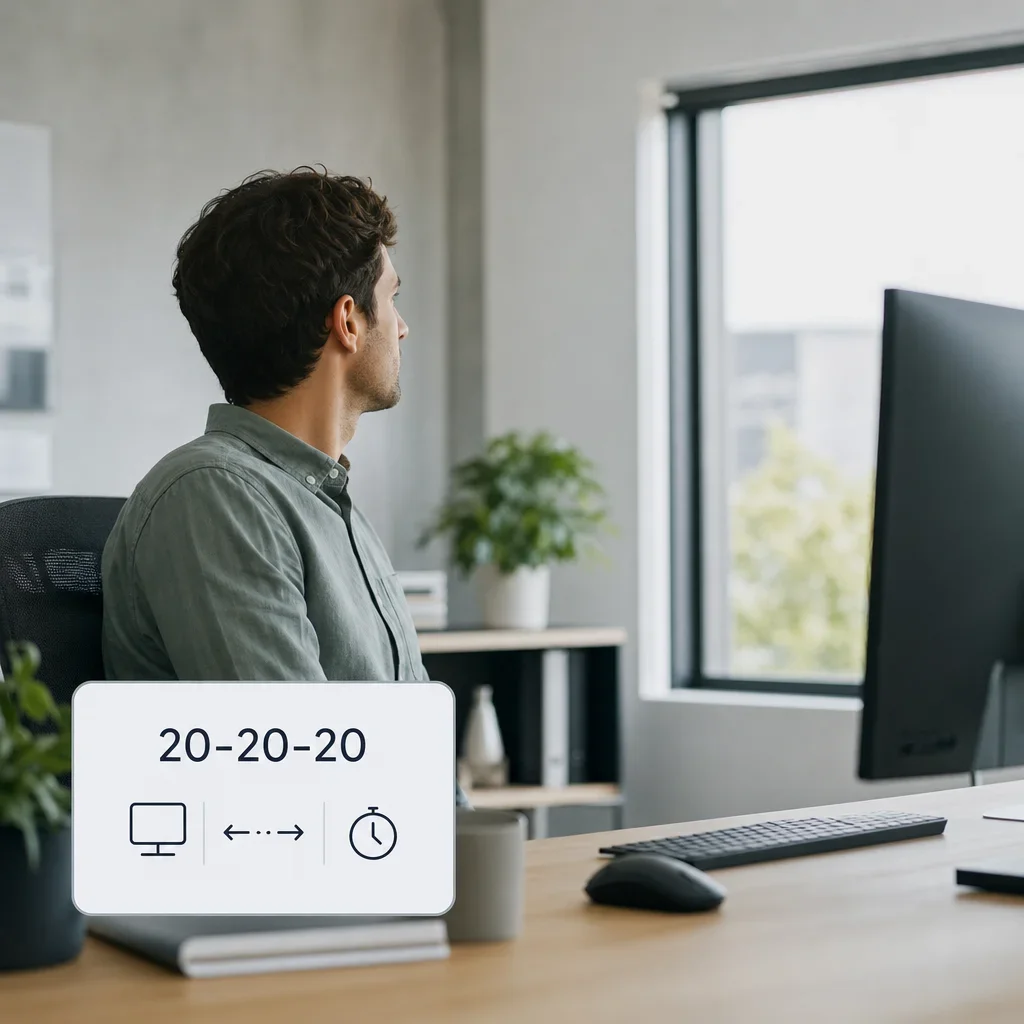
The 20-20-20 rule is a comfort habit: every 20 minutes, look about 20 feet away for about 20 seconds. It can reduce prolonged near-focus strain, but it does not replace an eye exam or treat an eye disease.
Digital eye strain can include tired eyes, dryness, temporary blur, headaches, and difficulty refocusing after screen use. Reduced blinking, glare, posture, viewing distance, and an outdated prescription can all contribute.
The so-called 30-30-30 rule is not a universal medical standard, and versions of it differ. The useful principle is regular distance viewing, conscious blinking, suitable lighting, and a current prescription when screens are part of your day.
Screen time alone does not prove that you need glasses or that a screen has damaged your eyes. Book an exam when discomfort persists despite breaks, interferes with work or school, worsens, affects one eye, occurs with pain or double vision, or coincides with an outdated prescription.
Optometrist or Ophthalmologist: Who Should You See?
An optometrist is usually an appropriate starting point for routine eye exams, changing vision, glasses, contact lens needs, and many non-emergency eye concerns. In Ontario, optometrists provide primary eye care, prescribe corrective lenses, assess eye health, and refer when specialist care is indicated.
An ophthalmologist is a medical doctor who specializes in eye disease and eye surgery. An optometrist may coordinate referral to an ophthalmologist when medical or surgical specialist care is needed.
| Provider | Main role | A common reason to start there |
|---|---|---|
| Optometrist | Comprehensive eye exams, vision prescriptions, eye-health evaluation, primary eye care, and referral when indicated. | Routine exams, changing vision, glasses, contact lenses, dry-eye symptoms, and non-emergency concerns. |
| Ophthalmologist | Medical and surgical eye specialist. | Specialist treatment or surgery after assessment or referral. |
| Emergency department | Emergency assessment for serious eye injury, sudden vision loss, severe pain, chemical exposure, or stroke-like symptoms. | Symptoms that should not wait for a routine appointment. |
New floaters may be assessed first by an optometrist when there are no emergency features, but flashes, a shower of floaters, a curtain or shadow, or sudden vision changes require same-day direction. Do not wait for a routine appointment when those warning signs appear.
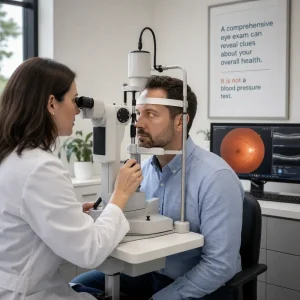
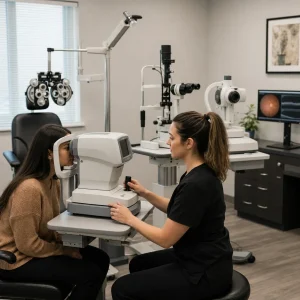
What Happens During a Comprehensive Eye Exam?
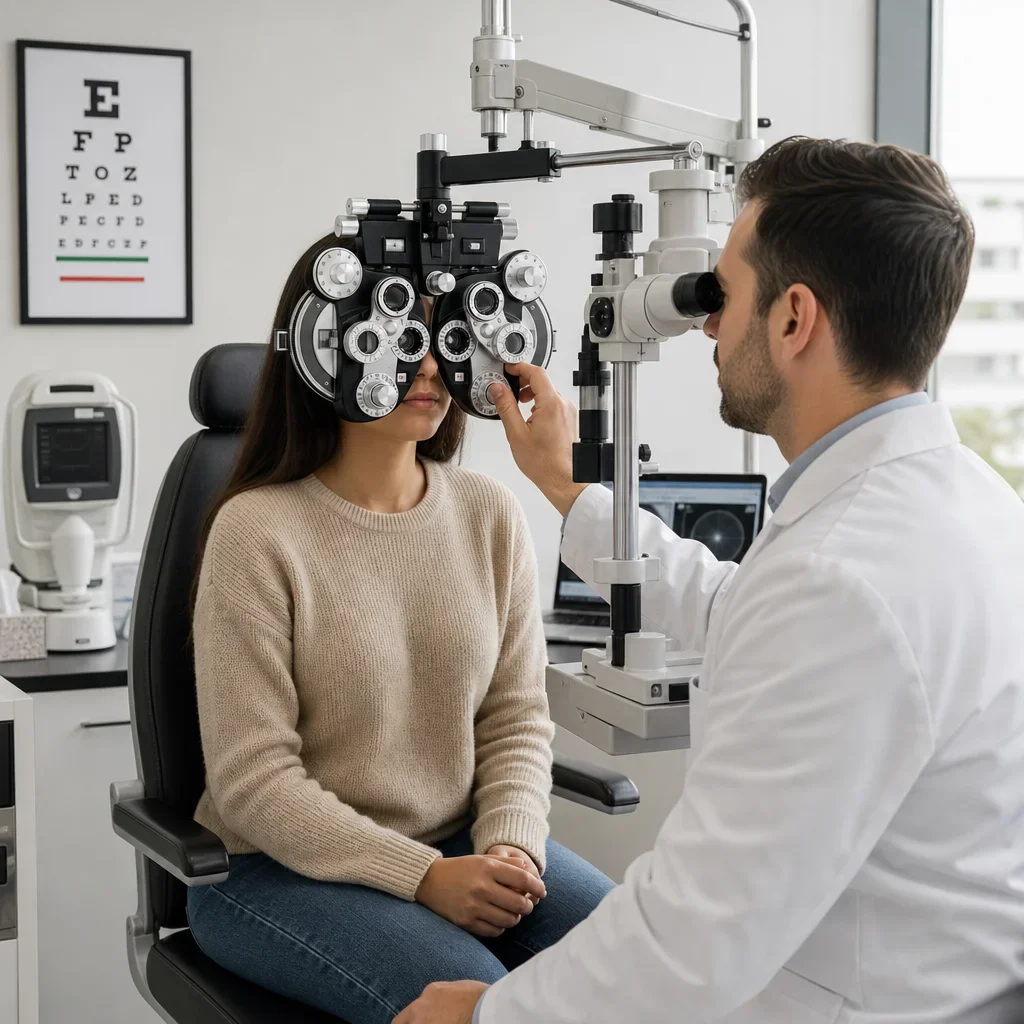
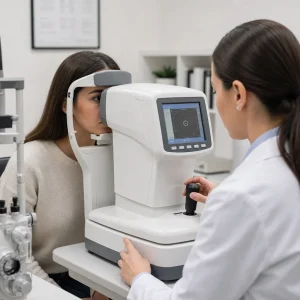
A comprehensive eye exam usually begins with your health history, medications, current symptoms, glasses or contact lens use, and visual needs. This information helps the optometrist choose appropriate testing rather than giving every patient an identical sequence.
Vision testing measures how clearly you see at set distances. Refraction assesses whether lenses could sharpen that vision and helps determine whether a glasses or contact lens prescription has changed.
Eye coordination and focusing checks may be used when headaches, reading difficulty, double vision, or visual fatigue are part of the concern. These tests examine how the eyes work together, not just how clearly each eye sees.
Tonometry measures eye pressure as one part of glaucoma assessment. Eye pressure alone does not diagnose glaucoma, so optometrists also consider the optic nerve, visual function, history, and other clinical findings.
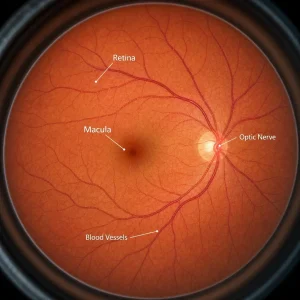
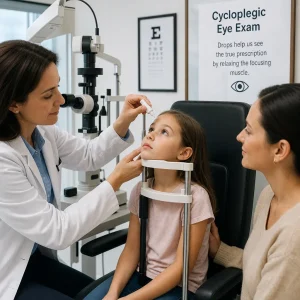
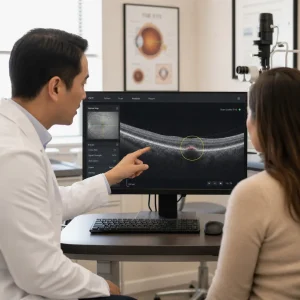
The optometrist may examine the front of the eye, retina, optic nerve, and blood vessels as clinically indicated. Dilation may be recommended in some situations and can temporarily affect near vision and light sensitivity, so ask about driving and aftercare before your appointment.
A vision screening is not the same as a comprehensive exam because a screening may not evaluate every part of vision and eye health. A complete visit can address both eye-health concerns and whether a prescription change could improve daily comfort.
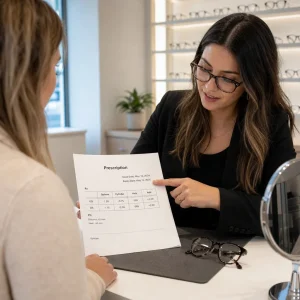
At Premier Optical, eligible patients can move from an eye exam to personalized frame selection and lens planning in one location. Licensed optometrists, experienced opticians, designer eyewear, and in-house lens service support an all-in-one visit without suggesting that every prescription can be completed on the same day.
Eye Exam Coverage and Booking in Waterloo
OHIP coverage for eye exams in Ontario depends on age, medical eligibility, the service provided, and current provincial rules. Do not assume that every routine exam is covered; verify eligibility before your appointment through the Government of Ontario, your optometrist, or the clinic.
Private insurance coverage also depends on the insurer, plan, benefit period, and service. Premier Optical offers direct insurance billing where available, but patients should confirm their own plan details and remaining benefit before the visit.
Bring your health card if applicable, insurance information, current glasses, contact lenses or lens boxes, a medication list, relevant medical history, and a short list of symptoms or questions. These details help the optometrist assess the right concern efficiently.
Book a comprehensive eye exam through Premier Optical’s booking or contact pathway if you are due for preventive care, notice persistent visual changes, or want to discuss a prescription update. Seek emergency help instead of submitting a routine booking request for sudden vision loss, severe pain, trauma, chemical exposure, or stroke-like symptoms.
Frequently Asked Questions
How do you know when you need your eyes tested?
You need an eye assessment when vision becomes blurry, visual tasks cause strain, your prescription feels ineffective, symptoms persist, or you are due based on age or health risk. Sudden vision loss, a curtain in vision, severe pain, trauma, or stroke-like symptoms require emergency assessment.
Do I need an eye exam if I can see fine?
Yes, preventive eye exams matter because some eye conditions can develop before they noticeably affect sight. Glaucoma is one example of a condition that can initially have few obvious symptoms.
What are the first signs of needing glasses?
Common early signs include squinting, gradual blur, headaches during close work, eye fatigue, trouble reading signs, and difficulty seeing clearly at night. An exam determines whether glasses would help and whether another issue needs attention.
How often should adults get eye exams?
Adults without known risk factors are commonly advised to have preventive exams every 1 to 2 years or every 2 to 3 years, depending on age and clinical guidance. Your optometrist may recommend a different schedule based on your history, prescription, and examination findings.
How often should diabetics get eye exams?
People with diabetes are commonly advised to have a comprehensive dilated eye assessment annually. The examining provider may set a different follow-up interval based on retinal findings and diabetes management.
How often should you have your eyes checked after 65?
Adults age 65 and older are commonly advised to have an eye exam annually to every 1 to 2 years. The appropriate interval depends on cataracts, glaucoma risk, macular changes, medications, and general health.
Should I see a doctor for a bloodshot eye?
A bloodshot eye needs prompt advice when it comes with pain, light sensitivity, discharge, reduced vision, injury, or contact lens use. Mild redness without those features can still warrant an exam if it persists, recurs, or worsens.
Should I see an optometrist or ophthalmologist for floaters?
An optometrist can assess many new floater concerns and arrange referral when needed. Flashes, a shower of floaters, a curtain or shadow, or sudden vision change require same-day direction because they can indicate a retinal concern.
Can eye exams detect glaucoma early?
A comprehensive eye exam can identify findings associated with glaucoma risk, including eye pressure and optic nerve changes. Glaucoma diagnosis and monitoring rely on the full clinical assessment, not a single pressure reading.
Can an eye exam show high cholesterol?
An eye exam can reveal retinal or blood-vessel findings that may prompt medical follow-up, but it cannot diagnose high cholesterol by itself. Blood tests and assessment by a medical professional are needed to confirm cholesterol levels.
Can an eye exam detect a stroke?
An eye exam cannot replace emergency stroke assessment. Sudden vision changes with facial droop, weakness, speech difficulty, confusion, or a severe sudden headache require emergency services immediately.
What is the 20 minute eye rule?
The 20-20-20 rule means taking a break every 20 minutes to look roughly 20 feet away for about 20 seconds. It is a screen-comfort strategy, not a substitute for eye care when symptoms persist.
Are eye exams free in Ontario?
Not every eye exam is covered by OHIP. Eligibility depends on age, medical circumstances, the service, and current Ontario rules, so confirm coverage with the clinic, your insurer, or the provincial program before booking.
Your next step is simple: compare the urgency of your symptoms against the decision table, then arrange the right level of care. Routine care can start with a comprehensive eye exam; emergency symptoms should never wait for a standard booking.