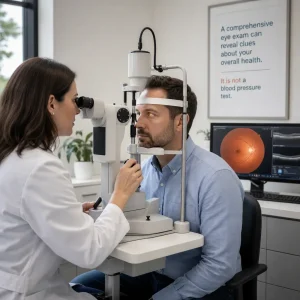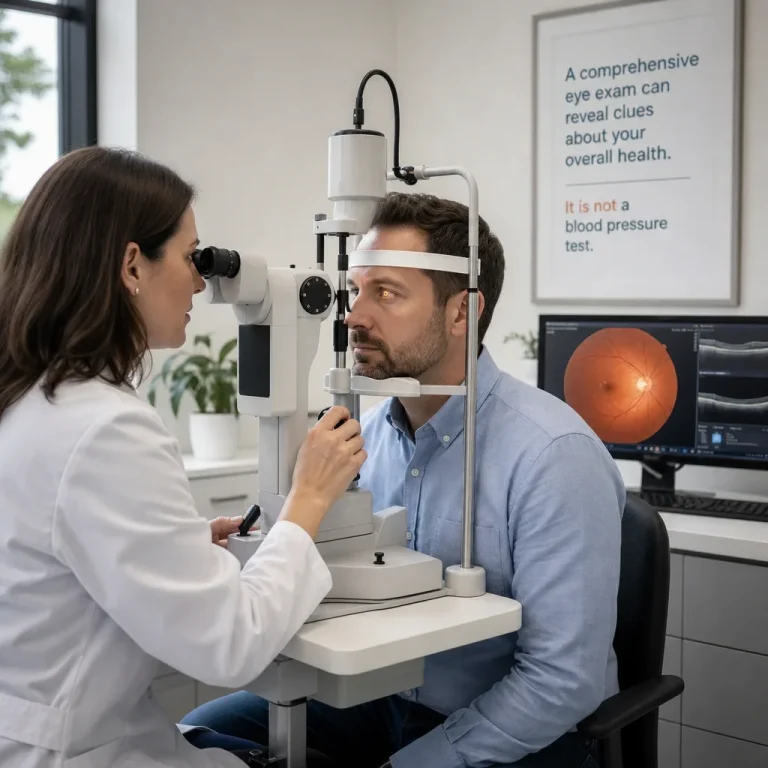
Can an eye test detect high blood pressure? Yes, a comprehensive eye exam may reveal retinal changes associated with high blood pressure, but it cannot measure your blood pressure or diagnose hypertension by itself. An eye finding can be a reason to arrange medical follow-up, not a substitute for a blood pressure reading, blood work, or a physician-led assessment.
This page is educational information, not a diagnosis or a substitute for urgent medical care. A licensed Ontario optometrist should clinically review this content before publication.
Can an Eye Test Detect High Blood Pressure or Disease?
A comprehensive eye exam can identify eye changes that may be linked with high blood pressure, diabetes, vascular disease, or other health concerns. These changes are clues, not proof of a particular condition, because similar retinal findings can have more than one cause.
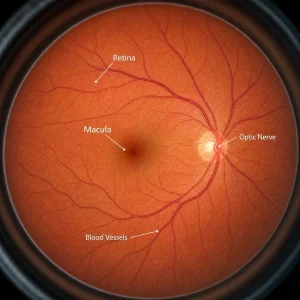
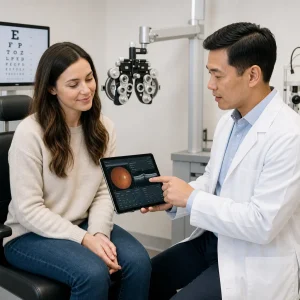
A prescription check measures how clearly you see and whether glasses may help. A comprehensive eye health examination also assesses structures such as the cornea, lens, retina, macula, optic nerve, and retinal blood vessels. That fuller assessment is why an eye exam may detect disease-related signs that a simple vision screening can miss.
Would high blood pressure show up in an eye exam? It can, particularly when persistent or severe blood pressure changes have affected the retinal blood vessels. A normal examination does not rule out high blood pressure, because hypertension can exist without visible eye changes.
Why the Eyes Can Reveal Clues About Overall Health
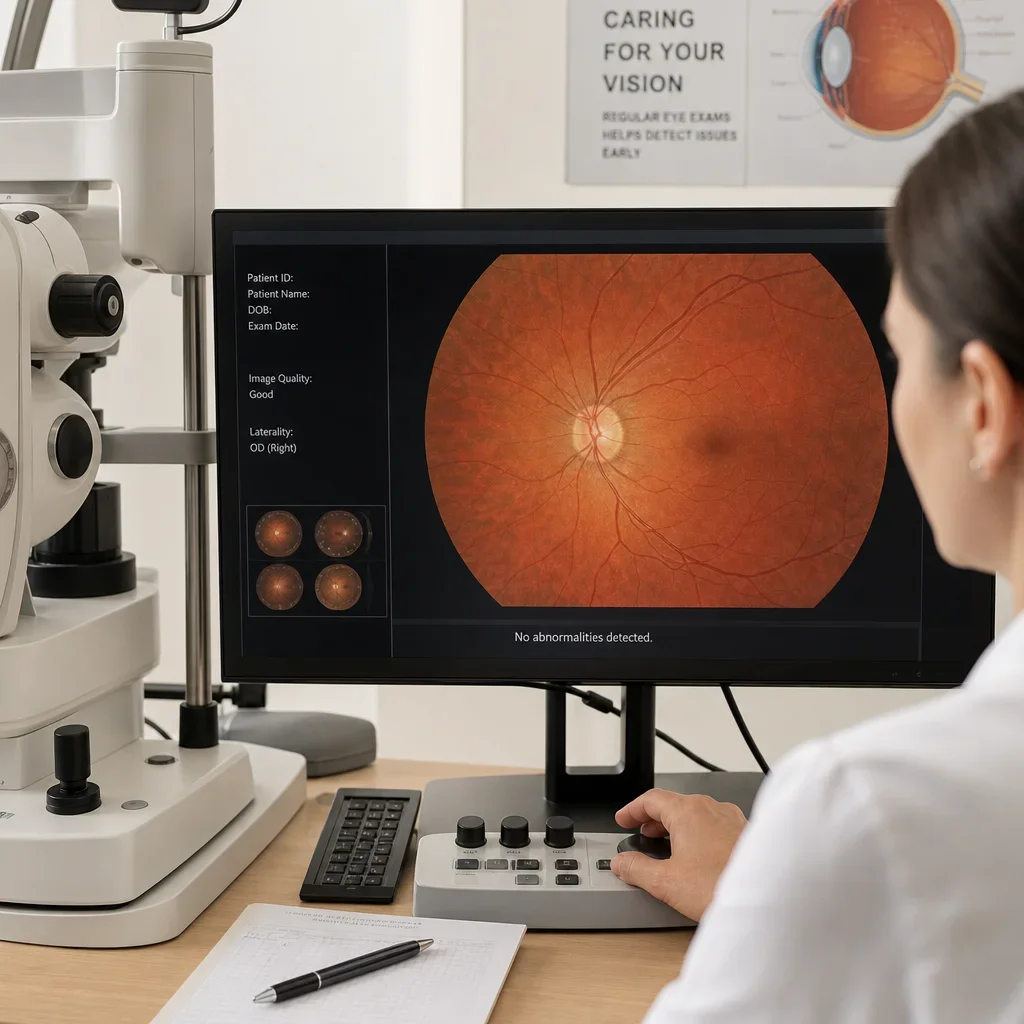
The retina is light-sensitive tissue at the back of the eye, and it contains small blood vessels that an optometrist can assess during an eye health examination. Changes in those vessels can sometimes support a referral for medical testing or monitoring.
The optic nerve carries visual information from the eye to the brain. Its appearance can sometimes raise concern about pressure, inflammation, circulation, or neurological issues that need further assessment.
Clear vision does not always mean the eyes are healthy. Glaucoma, diabetic retinal changes, and some retinal conditions may cause little or no noticeable vision loss in earlier stages.
Optometrists assess vision and eye health, identify findings that may require referral, and manage eye conditions within their scope of practice. Opticians fit and dispense eyewear but do not diagnose eye disease, while ophthalmologists are medical doctors who provide specialized medical and surgical eye care.
High Blood Pressure in the Eyes: What an Optometrist May Look For
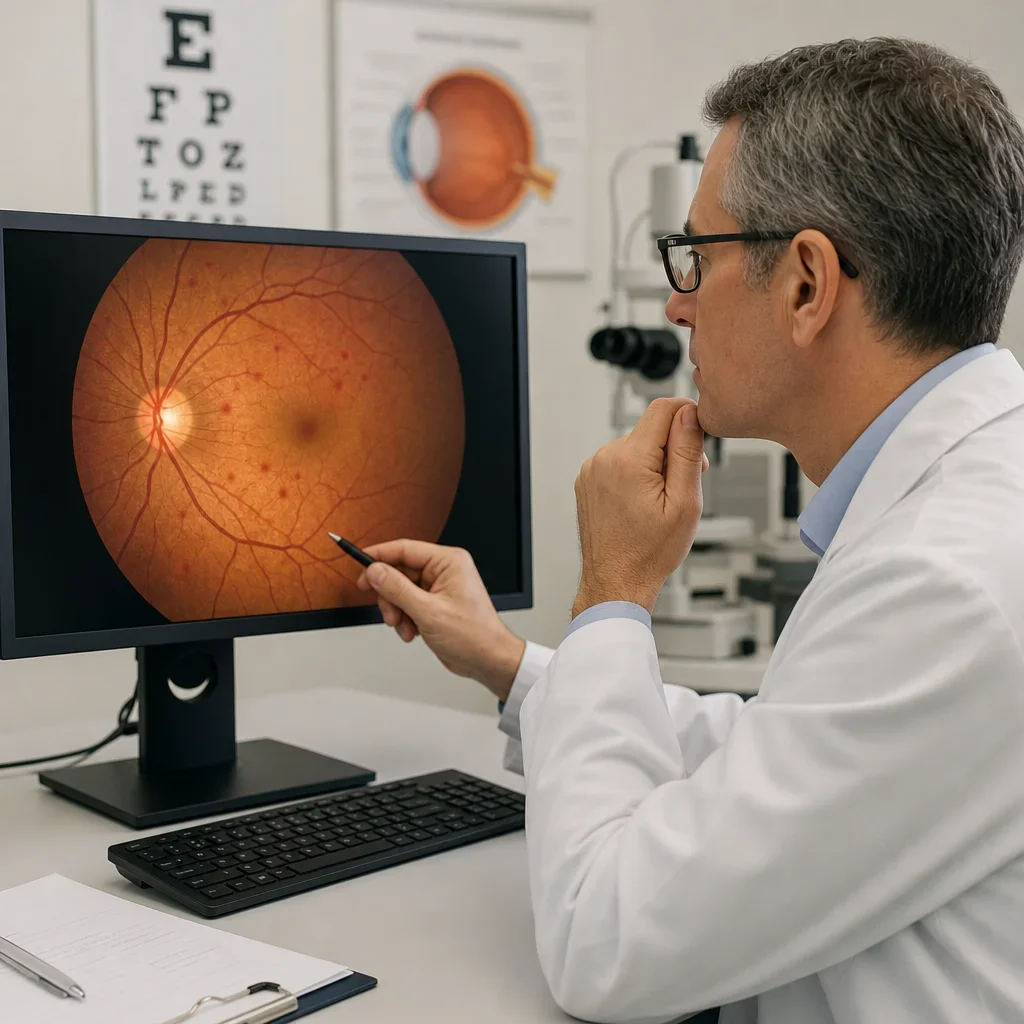
High blood pressure can affect the retina’s small vessels, and these changes may be described clinically as hypertensive retinopathy. The term describes eye findings associated with hypertension; it does not confirm the cause without medical assessment.
Possible retinal findings can include narrowed blood vessels, altered vessel crossings, retinal bleeding, cotton-wool spots, retinal swelling, or swelling around the optic nerve. These are clinician-observed signs, not a self-diagnosis checklist from a mirror or phone camera.
High blood pressure frequently causes no obvious eye symptoms. Blurred vision, reduced vision, double vision, or a new visual field defect can occur with eye or vascular complications and should not be ignored.
Red eyes, headaches, and blurry vision cannot reliably tell you whether blood pressure is high. A validated blood pressure measurement is the appropriate way to assess blood pressure itself.
Eye Exam Findings Versus Blood Pressure Testing
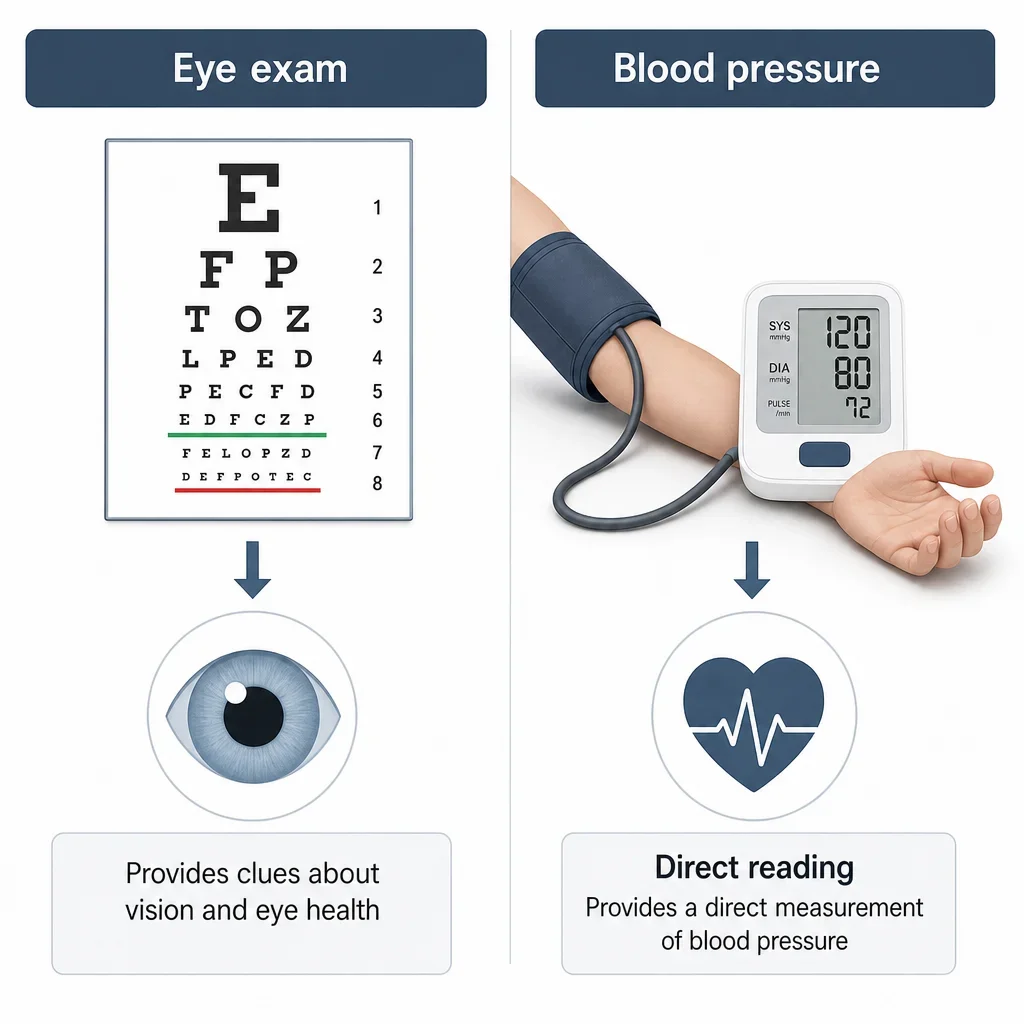
A comprehensive eye exam may show effects or clues, while a properly performed blood pressure measurement assesses blood pressure directly. Medical testing then helps determine whether a finding reflects hypertension, diabetes, cholesterol concerns, kidney disease, medication effects, or another cause.
| Assessment | What it can show | What it cannot do alone |
|---|---|---|
| Comprehensive eye exam | Retinal, optic nerve, macular, and blood-vessel findings that may need follow-up. | Diagnose hypertension, diabetes, cholesterol disease, stroke, cancer, or organ disease by itself. |
| Blood pressure measurement | A reading used to assess blood pressure at that time. | Show whether retinal damage or another eye condition is present. |
| Physician or nurse-practitioner assessment | Medical history, examination, blood tests, and other investigations where appropriate. | Replace a full eye health examination when eye symptoms or retinal concerns exist. |
A normal eye exam cannot rule out high blood pressure, high cholesterol, diabetes, heart disease, kidney disease, or another systemic condition. An abnormal eye finding also does not automatically mean you have a specific disease.
Blood pressure targets for seniors are not one-size-fits-all. Current guidance, medication use, fall risk, kidney health, and other medical factors can affect an individual plan, so a family physician, pharmacist, or Hypertension Canada resource is the right place for current blood pressure advice.
There is no proven “seven-second trick” that safely treats high blood pressure. Do not delay medical assessment or prescribed treatment because of online quick-fix claims.
Other Health Conditions an Eye Exam May Flag
An eye exam may flag findings associated with common health conditions, but it does not replace disease-specific medical screening. The next step depends on the finding, your symptoms, and your broader health history.
| Condition category | Possible eye clues | What the clue can mean | Typical next step |
|---|---|---|---|
| Diabetes or type 2 diabetes | Retinal bleeding, leakage, swelling, or abnormal new blood vessels may occur with diabetic retinopathy. | The retina may be affected by diabetes, but an eye exam does not replace blood glucose testing. | Medical diabetes assessment and eye follow-up as advised. |
| High blood pressure | Retinal vessel changes, bleeding, swelling, or optic nerve findings may require assessment. | Findings can be associated with hypertension or other vascular causes. | Blood pressure measurement and primary-care follow-up. |
| High cholesterol or cardiovascular risk | Certain retinal or corneal findings may support a medical discussion. | An eye finding cannot diagnose high cholesterol or heart disease. | Primary-care assessment and appropriate blood testing. |
| Glaucoma | Optic nerve changes, eye-pressure findings, and visual field changes can be relevant. | Glaucoma is an eye disease that can progress without early symptoms. | Monitoring, treatment, or ophthalmology referral when indicated. |
| Cataract | Clouding of the eye’s natural lens can reduce clarity, glare tolerance, or contrast. | Cataract affects the lens and is not a sign of high blood pressure. | Vision correction discussion or ophthalmology referral when appropriate. |
| Macular degeneration | Macular changes can affect central vision used for reading and recognizing faces. | Macular degeneration is an eye condition, not a general blood-pressure test. | Retinal monitoring or referral based on examination findings. |
Less common but important findings can sometimes lead to investigation for neurological disease, thyroid eye disease, autoimmune conditions, blood disorders, raised pressure inside the skull, or cancers affecting the eye or surrounding tissues. An eye examination does not screen for or rule out every cancer, brain disorder, kidney problem, or liver condition.
Can an eye test detect high cholesterol? An eye finding may prompt a medical conversation, but cholesterol is assessed with blood testing and clinical evaluation. The same limit applies to heart disease: eye findings may raise concern but cannot diagnose cardiovascular disease.
Can eye test detect brain problems? Optic nerve, eye movement, pupil, or visual field findings can occasionally point to a neurological concern requiring referral. They cannot identify every brain condition or replace emergency assessment for sudden neurological symptoms.
What Happens During a Comprehensive Eye Exam?
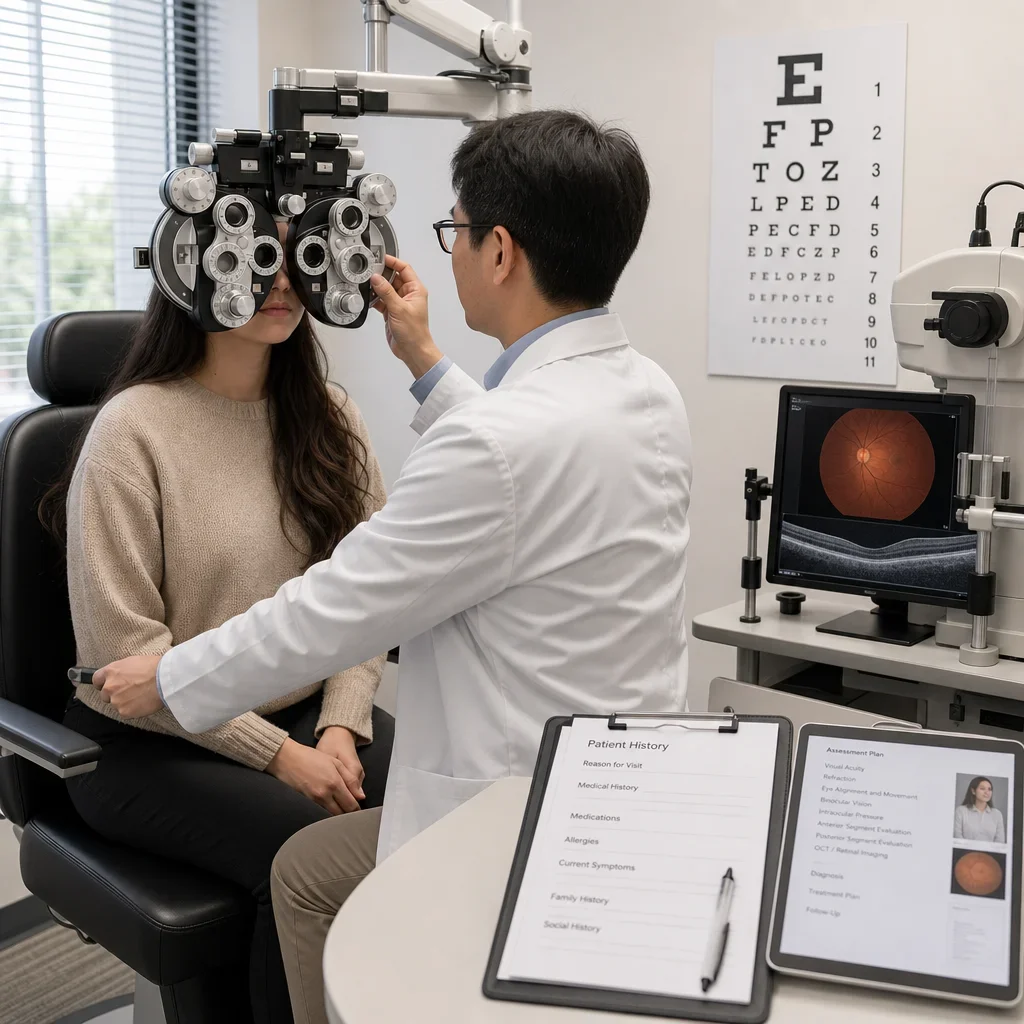
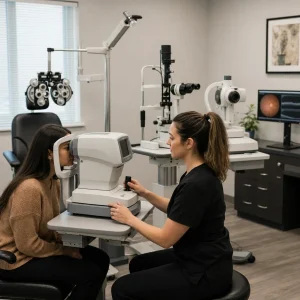
A comprehensive eye exam usually begins with a health history, including medications, medical conditions, family history, and new vision symptoms. Diabetes, high blood pressure, high cholesterol, migraines, autoimmune disease, pregnancy, and prior eye disease are relevant details to disclose.
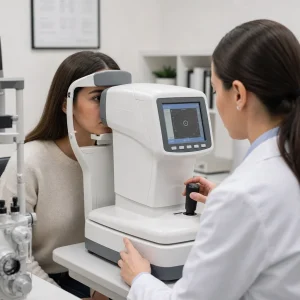
The assessment can include vision testing, a review of the front of the eye, eye-pressure assessment when clinically indicated, and evaluation of the retina and optic nerve. The exact testing depends on the patient’s needs and the optometrist’s clinical judgment.
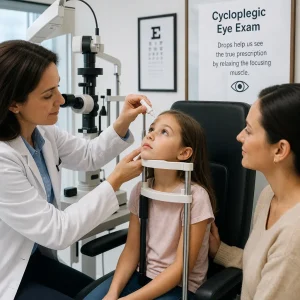
Dilation may be recommended when a wider view of the retina is needed. Dilating drops widen the pupil, which can improve the clinician’s view of the back of the eye.
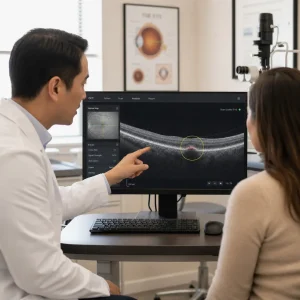
Retinal photography and optical coherence tomography, also called OCT, can document or support assessment of retinal and optic nerve structures when clinically indicated. No imaging test guarantees that every eye or systemic condition will be detected.
Vision Screening Versus a Comprehensive Eye Exam
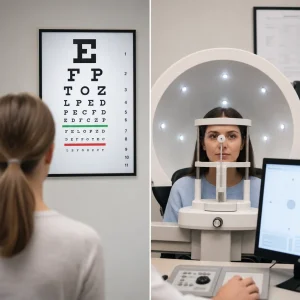
A vision screening can identify some vision concerns, but it is not equivalent to a full eye health examination. Screenings may not include a detailed assessment of retinal health, optic nerve appearance, eye pressure, or disease risk factors.
Eye Symptoms That Need Emergency Care
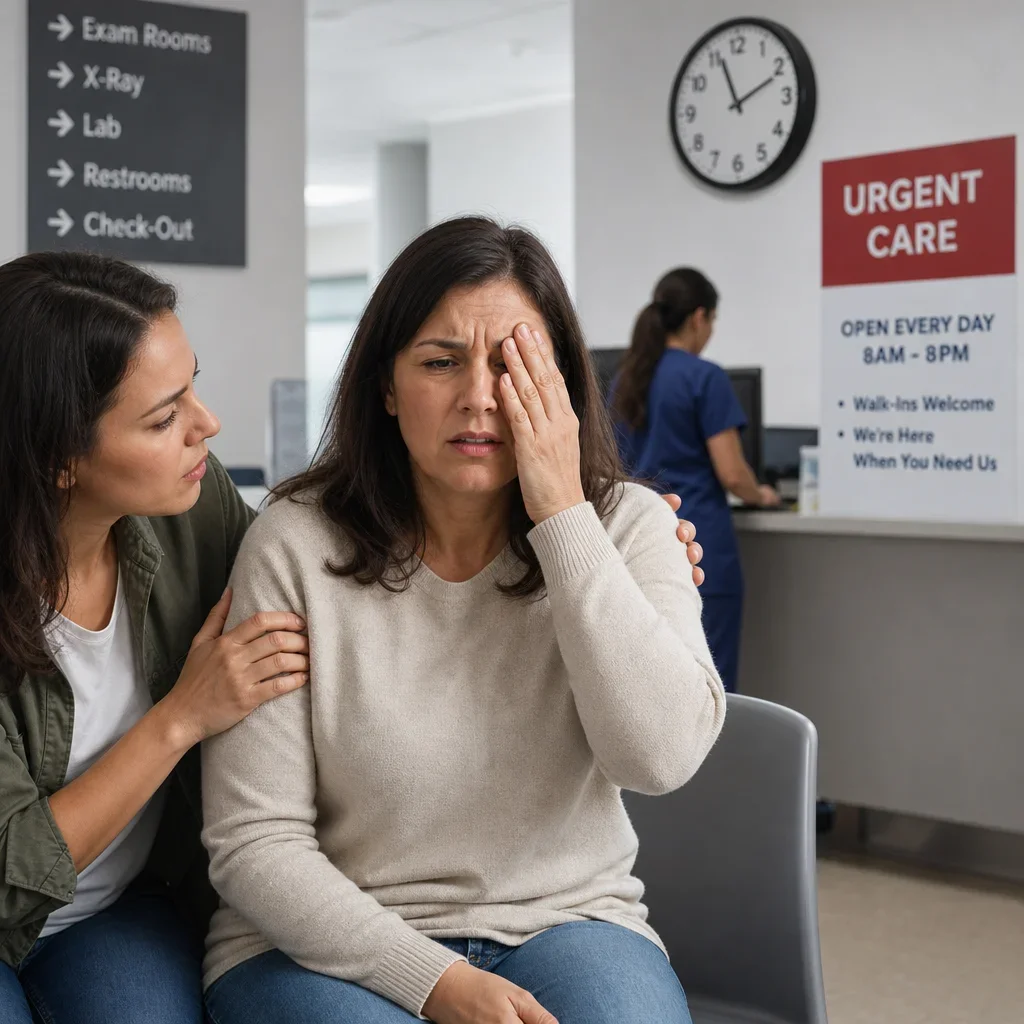
Sudden vision loss, a dark curtain or shadow over vision, sudden new double vision, severe eye pain, or a severe headache with vision changes require urgent assessment. These symptoms may be signs of an eye or medical emergency.
New facial droop, weakness, numbness, difficulty speaking, confusion, or sudden loss of balance with visual symptoms requires calling 911 or seeking emergency care immediately. Do not wait for a routine optometry appointment if stroke-like symptoms are present.
A “mini eye stroke” can involve sudden painless partial or complete vision loss in one eye. Sudden visual loss is time-sensitive and requires emergency assessment rather than online advice or a routine booking.
Gradually changing vision, eye strain, difficulty with an older prescription, known diabetes, known hypertension, or no recent comprehensive exam are appropriate reasons to arrange routine eye care. These concerns still deserve assessment, but they do not carry the same urgency as sudden vision loss or stroke-like symptoms.
If an Eye Exam Finds a Possible Health Concern
The optometrist will explain the finding, document it where appropriate, and determine the urgency of follow-up. Follow-up is a safety step and does not itself confirm a diagnosis.
A family physician or nurse practitioner may assess systemic concerns such as blood pressure, blood sugar, cholesterol, medication effects, or other medical causes. An ophthalmologist may become involved when specialized medical or surgical eye care is needed.
Bring a current medication list, relevant medical history, and recent test results when available. This information helps the eye-care and medical teams interpret findings in the context of your overall health.
How Often Should You Have an Eye Exam?
Eye-exam frequency depends on age, symptoms, prescription needs, diabetes, high blood pressure, medications, family history, and existing eye conditions. A personalized schedule from an optometrist is more reliable than a generic online interval.
People with diabetes, retinal disease, glaucoma risk, known hypertension, new vision changes, or a family history of eye disease may need closer follow-up based on professional advice. The reason is that some conditions can progress before they noticeably affect vision.
Children also need age-appropriate eye care because vision develops during childhood and eye-health concerns can affect learning and daily activities. A children’s exam assesses more than whether a child can read an eye chart.
Common Myths About Eye Exams and General Health
Myth: Clear vision means healthy eyes. Some eye diseases, including glaucoma and early retinal disease, can develop without obvious vision changes.
Myth: An eye exam can diagnose every health problem. An eye exam can reveal clues that need medical follow-up, but it cannot replace blood tests, blood pressure measurement, imaging, or a complete medical assessment.
Myth: A normal eye exam means blood pressure is normal. Hypertension can be present without visible retinal changes, so blood pressure needs to be measured directly.
Myth: Every red eye is caused by high blood pressure. Redness has many possible causes, while red eye with severe pain, light sensitivity, injury, discharge, or vision loss needs prompt assessment.
Myth: Macular degeneration only affects distance vision. Macular degeneration primarily affects central vision, which can interfere with reading, recognizing faces, and detailed tasks.
Frequently Asked Questions
Would high blood pressure show up in an eye exam?
It may show retinal changes associated with high blood pressure, especially where blood vessels have been affected. It cannot confirm hypertension without a blood pressure measurement and medical assessment.
Can a normal eye exam rule out high blood pressure?
No. A normal eye exam does not rule out high blood pressure or another systemic illness. Blood pressure must be assessed with proper measurement and medical guidance.
What are the symptoms of high blood pressure in the eyes?
High blood pressure may cause no eye symptoms. Sudden blurred vision, loss of vision, double vision, or a visual field change needs urgent assessment because these symptoms can have eye or medical causes.
Can an eye exam detect diabetes or type 2 diabetes?
An eye exam may identify retinal findings associated with diabetic retinopathy. It does not replace diabetes testing or diagnose type 2 diabetes by itself.
Can an eye test detect high cholesterol?
Some eye findings may justify a medical discussion, but an eye exam cannot diagnose high cholesterol. Blood testing and primary-care assessment are used to evaluate cholesterol.
Can an eye exam detect a stroke or mini eye stroke?
An exam may identify retinal findings that require urgent referral, but sudden vision loss or stroke-like symptoms require immediate emergency assessment. Call 911 for sudden facial droop, weakness, speech difficulty, confusion, or sudden vision loss.
Can an eye exam detect cancer or brain problems?
Eye findings can occasionally lead to further investigation for conditions involving the eye, optic nerve, or surrounding structures. An eye exam cannot screen for or rule out all cancers or brain disorders.
What is the difference between a vision screening and a comprehensive eye exam?
A screening checks for selected vision concerns, while a comprehensive exam evaluates vision and eye health in greater detail. A comprehensive assessment can include retinal and optic nerve evaluation when clinically indicated.
Can an optometrist detect systemic health problems?
An optometrist can identify eye findings that may be associated with systemic health concerns and recommend appropriate follow-up. A medical clinician confirms or rules out systemic disease through medical assessment and testing.
What should I do if I suddenly lose vision in one eye?
Seek emergency care immediately. Sudden vision loss can be caused by serious eye or vascular conditions and should not wait for a routine appointment.
How often should adults have a comprehensive eye exam?
The right schedule depends on individual risk factors, eye history, symptoms, prescription needs, and medical conditions. An optometrist can recommend an interval based on your own eye-health assessment.
What blood pressure is normal for seniors?
There is no single senior-specific number that is appropriate for everyone. Ask a family physician, pharmacist, or qualified clinician for current, individualized blood pressure guidance.
Book a Comprehensive Eye Exam in Waterloo
For routine concerns, Premier Optical offers comprehensive eye exams, prescription care, frame fitting, and in-house lens support in one Waterloo location. A licensed optometrist can assess your eye health, explain findings clearly, and identify concerns that may need medical follow-up.
Book an eye exam in Waterloo if you have changing vision, diabetes, known high blood pressure, a family history of eye disease, or no recent comprehensive assessment. Sudden vision loss, severe eye pain, or stroke-like symptoms require 911 or emergency care rather than a routine booking.