An eye exam is a crucial process for maintaining optimal vision and overall eye health. During this examination, various tests are conducted to assess visual acuity, eye health, and the need for corrective lenses. Understanding what to expect can alleviate anxiety and ensure you are well-prepared for your appointment. This comprehensive guide will walk you through the essential steps of an eye exam, the common assessments involved, and the importance of regular check-ups. You will also learn how to prepare effectively for your visit and the unique benefits of choosing a trusted provider like Premier Optical Boutique in Waterloo, Ontario.
In this article, we will cover the preparation steps, what to expect during the exam, common assessments, the duration of the exam, follow-up procedures, and the importance of regular eye exams. By the end, you will have a clear understanding of the eye exam process and how to make the most of your appointment.
Preparation Steps
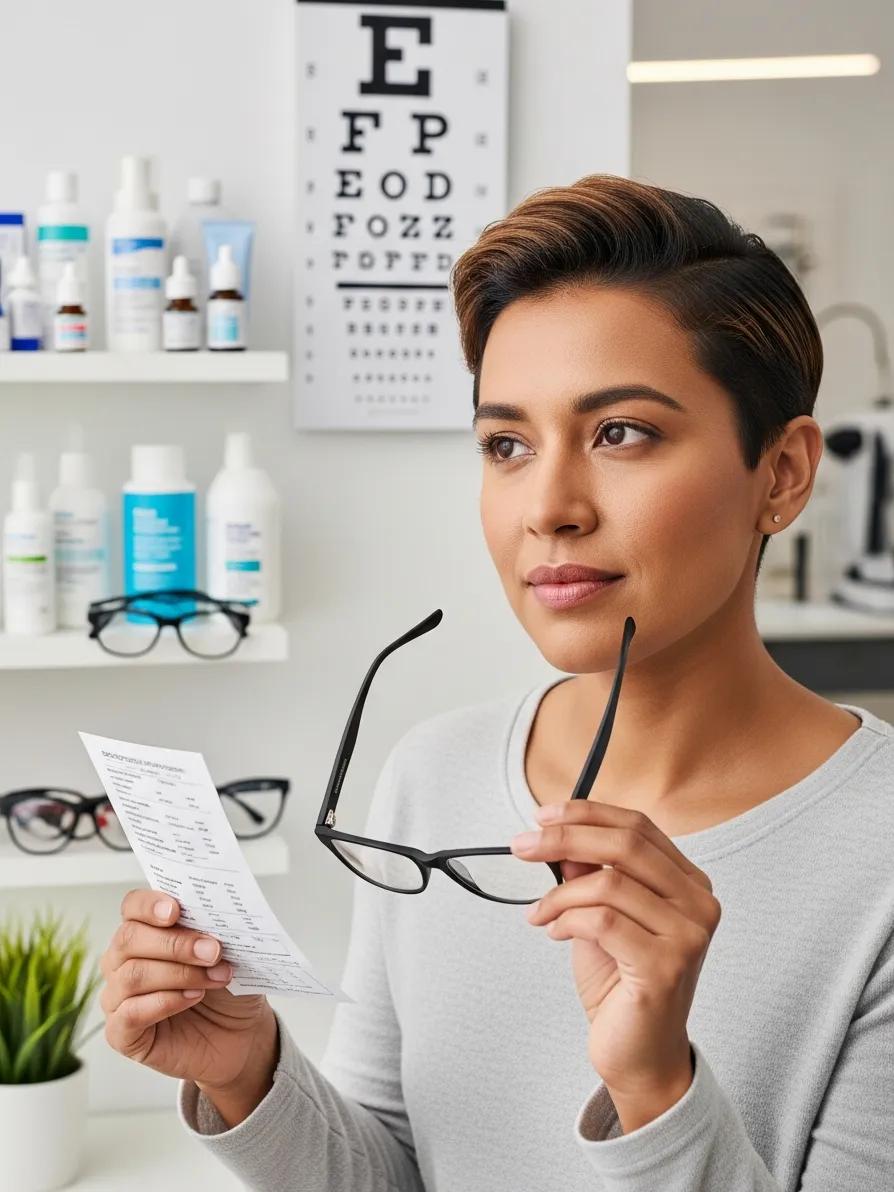
Preparing for an eye exam is essential to ensure a smooth and efficient process. Here are some key steps to follow:
- Schedule Your Appointment: Contact your eye care provider to set up an appointment. It’s advisable to choose a time when you can be relaxed and not rushed.
- Gather Necessary Items: Bring your current glasses or contact lenses, a list of medications you are taking, and any relevant medical history.
- Know Your Insurance: Check your insurance coverage for eye exams and eyewear to understand your benefits and potential out-of-pocket costs.
Being well-prepared can enhance your experience and help the optometrist provide the best care possible.
What to Expect During the Exam
During an eye exam, you will undergo several tests to evaluate your vision and eye health. The process typically includes:
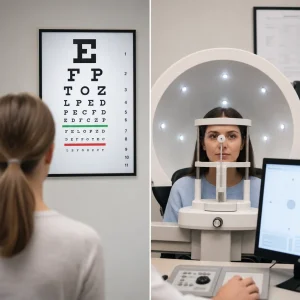
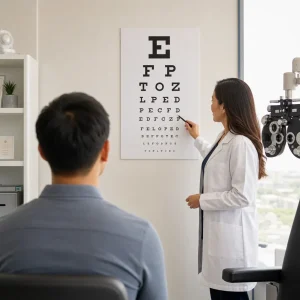
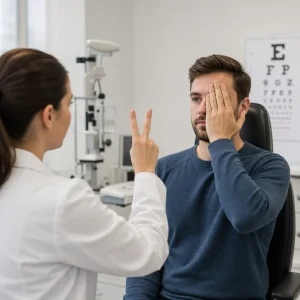
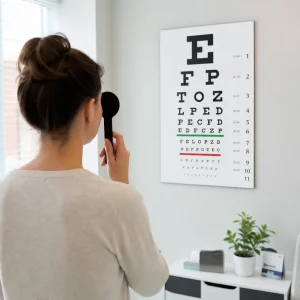
- Visual Acuity Test: This test measures how well you can see at various distances using an eye chart.
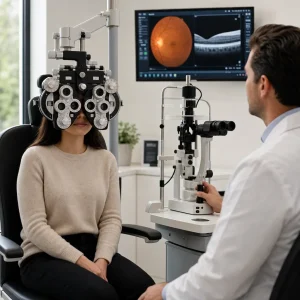
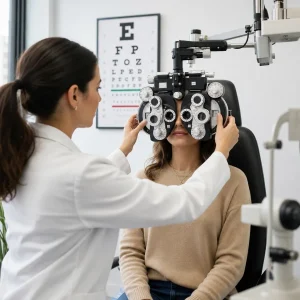
- Refraction Assessment: The optometrist will determine your exact prescription for glasses or contact lenses.
- Eye Health Evaluation: This includes checking for signs of eye diseases, such as glaucoma or cataracts.
The entire exam usually takes about 30 to 60 minutes, depending on the complexity of your needs.
Common Assessments Involved
Several common assessments are performed during an eye exam to ensure comprehensive evaluation:
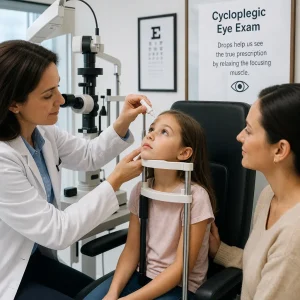
- Pupil Dilation: This allows the optometrist to examine the retina and optic nerve more thoroughly.
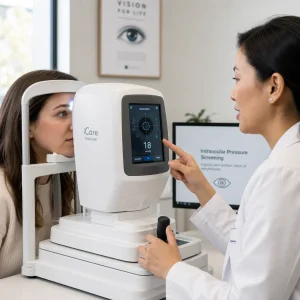
- Tonometry: Measures the pressure inside your eyes to check for glaucoma.
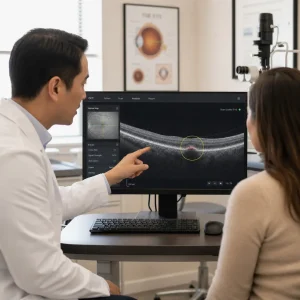
- Optomap: A digital imaging test that provides a wide view of the retina.
These assessments are crucial for detecting potential issues early and maintaining your eye health.
Duration of the Exam
The duration of an eye exam can vary based on individual needs and the specific tests being conducted. Generally, you can expect the following:
- Standard Exam: 30 to 60 minutes for a comprehensive evaluation.
- Additional Tests: If further assessments are needed, such as specialized imaging or tests for specific conditions, the exam may take longer.
It’s important not to rush through the exam, as thoroughness is key to accurate results.
Follow-Up
After your eye exam, you may need to schedule follow-up appointments based on the findings. Here’s what to expect:
- Prescription Updates: If you need new glasses or contacts, your optometrist will provide a prescription.
- Further Testing: If any issues are detected, additional tests may be recommended to monitor your eye health.
- Regular Check-Ups: Depending on your age and eye health, your optometrist may suggest regular follow-ups to ensure ongoing eye health.
Regular follow-ups are essential for maintaining optimal vision and addressing any emerging issues promptly.
Importance of Regular Eye Exams
Regular eye exams are vital for several reasons:
- Early Detection: Many eye diseases, such as glaucoma and macular degeneration, can be asymptomatic in their early stages. Regular exams help catch these conditions early.
- Overall Health Monitoring: Eye exams can reveal signs of systemic conditions like diabetes and hypertension.
- Vision Maintenance: Regular assessments ensure that your prescription is up-to-date, helping you maintain clear vision.
Choosing a trusted provider like Premier Optical Boutique can enhance your experience, as they offer comprehensive care and stylish eyewear options.
What Are the Key Steps in a Comprehensive Eye Exam?
A comprehensive eye exam typically involves several key steps:
- Patient History: Discussing your medical history and any vision problems you may have.
- Vision Testing: Conducting various tests to assess your visual acuity and refractive error.
- Eye Health Evaluation: Performing tests to check the health of your eyes and detect any potential issues.
These steps ensure a thorough evaluation of your eye health and vision needs.
Which Vision Tests Are Included During the Eye Exam?
During an eye exam, several vision tests are commonly included:
- Visual Acuity Test: Measures how well you see at different distances.
- Refraction Test: Determines your exact prescription for glasses or contacts.
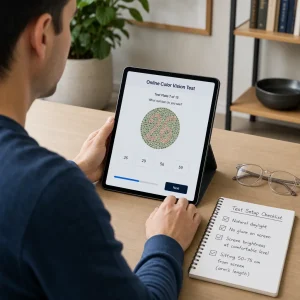
- Color Vision Test: Assesses your ability to distinguish colors.
These tests are essential for diagnosing vision problems and determining the appropriate corrective measures.
How Does Technology Enhance the Eye Test Process?
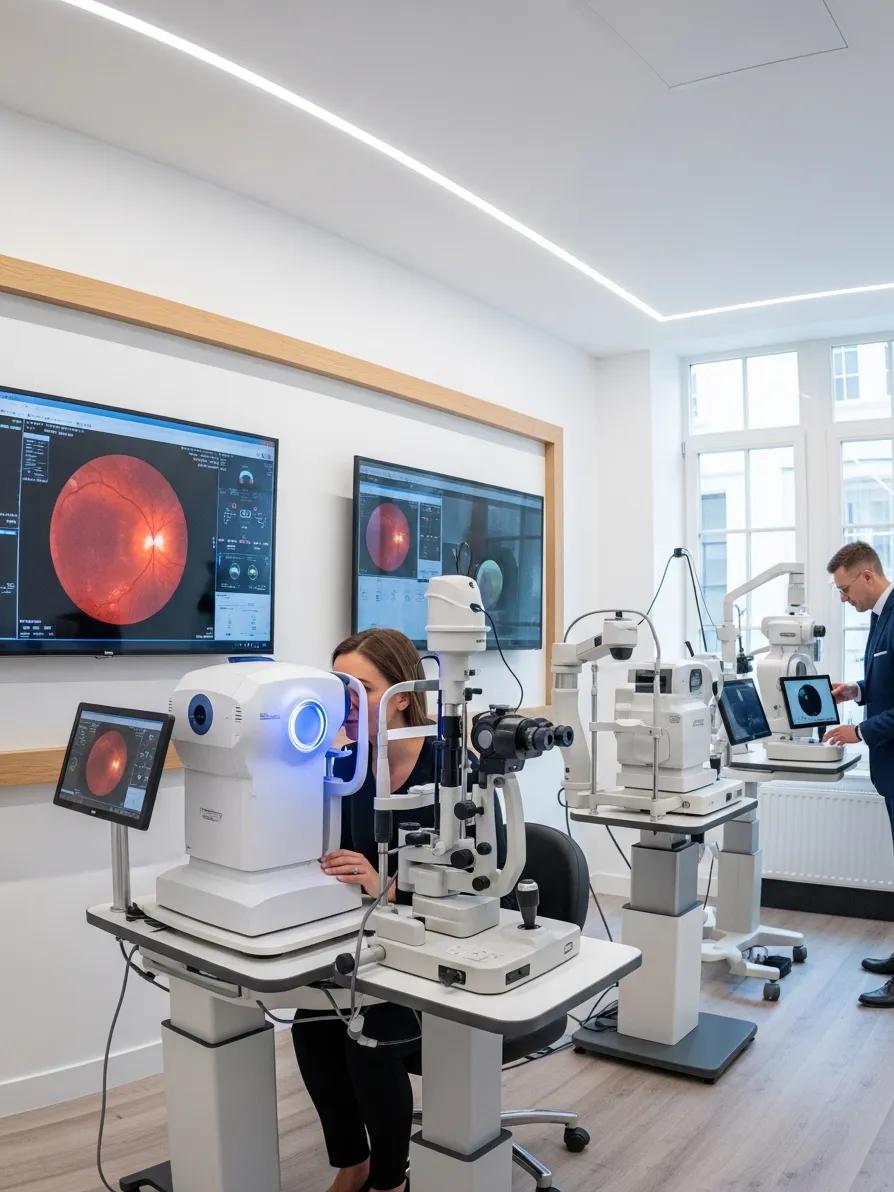
Advancements in technology have significantly improved the eye exam process. Some key enhancements include:
- Digital Imaging: Tools like the Optomap provide detailed images of the retina, allowing for better diagnosis.
- Automated Refraction: Machines that quickly determine your prescription, making the process more efficient.
- Telemedicine Options: Virtual consultations can provide preliminary assessments and follow-up care.
These technological advancements enhance the accuracy and efficiency of eye exams, ensuring better patient outcomes.
How Should You Prepare for Your Eye Exam Appointment?
Preparing for your eye exam appointment can make a significant difference. Here are some tips:
- Avoid Eye Strain: Limit screen time and reading before your appointment to ensure your eyes are relaxed.
- Bring Necessary Items: Don’t forget your current glasses or contacts, and any relevant medical information.
- Plan for Dilation: If you expect to have your pupils dilated, arrange for someone to drive you home afterward.
Proper preparation can help ensure a smooth and effective eye exam experience.
What to Bring and How to Get Ready for Accurate Results
To ensure accurate results during your eye exam, consider bringing the following:
- Current Eyewear: Your glasses or contact lenses for reference.
- Medical History: A list of medications and any previous eye conditions.
- Insurance Information: Understanding your coverage can help manage costs.
Being well-prepared can lead to a more efficient and informative appointment.
Are There Any Special Considerations for First-Time Patients?
First-time patients may have specific considerations to keep in mind:
- Expect a Comprehensive Evaluation: Your first exam may take longer as the optometrist gathers detailed information about your eye health.
- Ask Questions: Don’t hesitate to ask your optometrist about any concerns or procedures you don’t understand.
- Follow Pre-Exam Instructions: If your optometrist provides specific instructions, be sure to follow them for the best results.
Being informed and prepared can help ease any anxiety about your first visit.
What Are the Benefits of Choosing Premier Optical Boutique for Your Eye Exam?
Choosing Premier Optical Boutique for your eye exam offers several unique benefits:
- Comprehensive Care: They provide a full range of eye care services, ensuring all your needs are met.
- Expertise of Optometrists: Their experienced optometrists are dedicated to providing thorough and personalized care.
- Designer Eyewear Selection: After your exam, you can explore a wide range of stylish eyewear options to suit your personal style.
These advantages make Premier Optical Boutique a trusted choice for eye care in the Waterloo/Kitchener region.
How Do Expert Optometrists Ensure Fast and Thorough Exams?
Expert optometrists utilize several strategies to ensure that exams are both fast and thorough:
- Structured Exam Process: A well-organized approach allows for efficient testing without sacrificing quality.
- Use of Technology: Advanced diagnostic tools streamline the process and enhance accuracy.
- Patient Interaction: Engaging with patients helps clarify needs and concerns, leading to a more focused exam.
These practices contribute to a positive experience and effective outcomes for patients.
What Warranty and Aftercare Services Are Offered?
Premier Optical Boutique provides several warranty and aftercare services to enhance your experience:
- Warranty Coverage: Many eyewear purchases come with a warranty to protect against defects.
- Free Adjustments: They offer complimentary adjustments to ensure your glasses fit perfectly.
- Claim Process: Clear guidance on how to handle warranty claims makes the process straightforward.
These services reflect their commitment to customer satisfaction and quality care.
What Designer Eyewear Options Are Available After Your Eye Exam?
After your eye exam, you can explore a variety of designer eyewear options, including:
- Prescription Glasses: A range of stylish frames to suit your personal taste.
- Sunglasses: Fashionable options that provide UV protection.
- Contact Lenses: Various brands and types to meet your vision needs.
These options allow you to find the perfect eyewear that complements your lifestyle.
Which Designer Brands Does Premier Optical Boutique Feature?
Premier Optical Boutique features a selection of renowned designer brands, including:
- Ray-Ban: Iconic styles that combine fashion and function.
- Oakley: Performance eyewear designed for active lifestyles.
- Gucci: High-fashion frames that make a statement.
These brands offer a variety of styles and options to suit different preferences and needs.
How to Select Eyewear That Matches Your Lifestyle and Vision Needs
Selecting the right eyewear involves considering both your lifestyle and vision needs. Here are some tips:
- Assess Your Activities: Think about how you will use your eyewear—daily wear, sports, or special occasions.
- Consider Frame Styles: Choose frames that complement your face shape and personal style.
- Consult with Experts: Don’t hesitate to ask the optometrist or staff for recommendations based on your needs.
These considerations can help you find eyewear that enhances both your vision and style.
What Specialized Eyewear Solutions Can Support Your Vision?
Specialized eyewear solutions can address specific vision needs, including:
- Computer Glasses: Designed to reduce eye strain during prolonged screen use.
- Reading Glasses: Help with close-up tasks, especially for those experiencing presbyopia.
- Blue Light Blocking Glasses: Protect against harmful blue light emitted by screens.
These solutions can significantly improve comfort and visual performance in various situations.
How Do Computer Glasses Help Reduce Eye Strain?
Computer glasses are specifically designed to alleviate eye strain associated with prolonged screen time. They feature:
- Anti-Reflective Coating: Reduces glare from screens and overhead lighting.
- Optimized Lens Power: Tailored to the distance of your computer screen, enhancing clarity.
- Blue Light Filtering: Helps minimize exposure to blue light, which can disrupt sleep patterns.
Using computer glasses can lead to a more comfortable and productive experience while working on digital devices.
When Are Reading Glasses Recommended?
Reading glasses are typically recommended for individuals experiencing symptoms of presbyopia, which may include:
- Difficulty Focusing on Close Objects: Struggling to read small print or text.
- Eye Strain: Experiencing discomfort or fatigue after reading for extended periods.
- Headaches: Frequent headaches that may result from visual strain.
If you notice these symptoms, consulting with an optometrist can help determine if reading glasses are necessary for your vision needs.