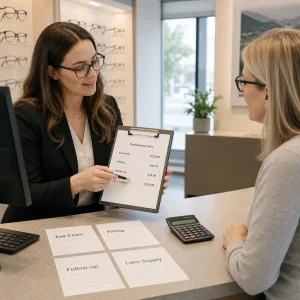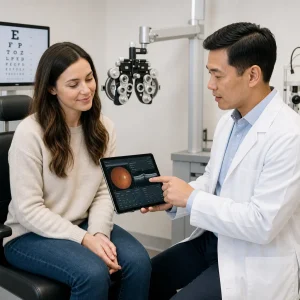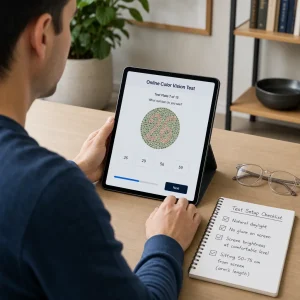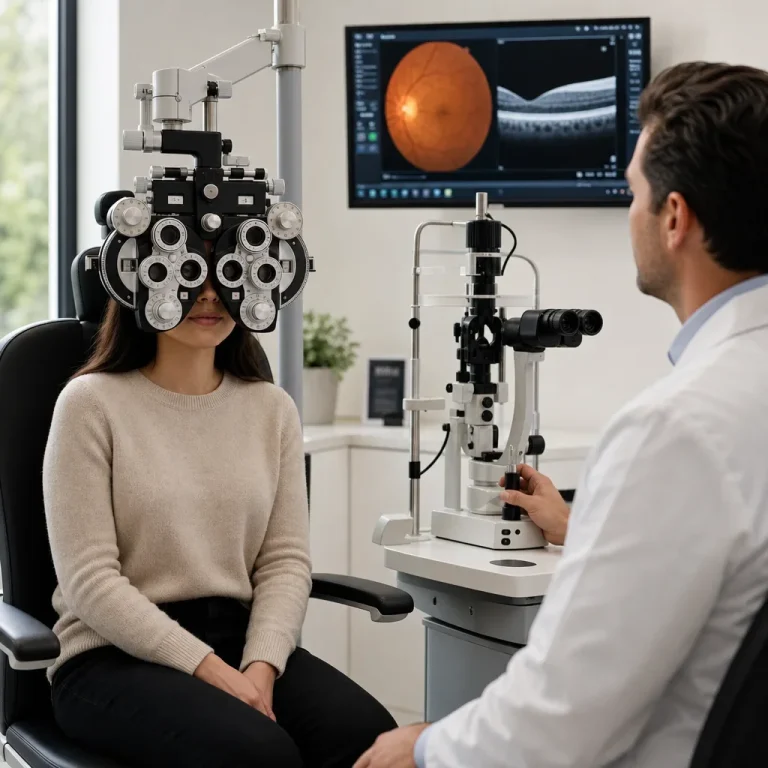
The cheapest advertised eye exam is rarely the real total. If you are comparing the cost of eye exam for glasses in Ontario, you need to separate the exam itself, the prescription, optional testing, and the price of frames or contact lenses.
Quick answer: eye exam cost for glasses in Ontario
A comprehensive eye exam in Ontario is commonly around $100–$250 , while a contact lens exam or fitting is often another $100–$250 . A basic pair of prescription glasses after the exam can bring the total to roughly $200–$500 for a budget setup, $400–$900 for a mid-range pair, and $700–$1,500+ for premium or progressive eyewear .
The lowest sticker price may not include retinal imaging, contact lens fitting, or follow-up care. That is why people asking how much eye exams cost without insurance usually get very different answers from different clinics.
A fair comparison starts with four line items. The exam fee, the prescription type, any add-on testing, and the glasses or contacts you buy afterward all change the final number.
Prices and coverage can change by clinic, province, and insurance plan. This guide is general information for Ontario readers and Waterloo-area shoppers, not a personal recommendation.
What the exam price actually includes
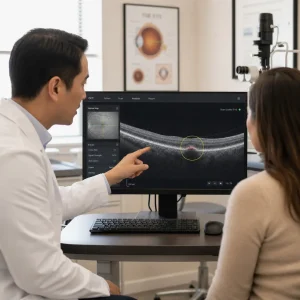
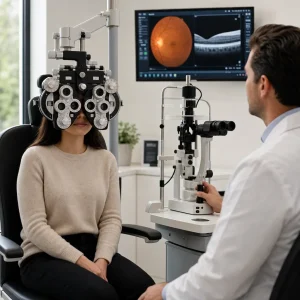
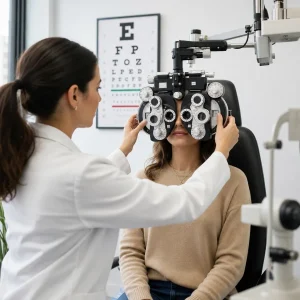
A comprehensive eye exam checks both your vision and your eye health. It usually includes case history, visual acuity testing, refraction, eye pressure measurement, slit lamp assessment, and an internal health evaluation as clinically indicated .
The refraction portion is the part that determines your glasses prescription. That is why the cost of eye prescription is usually built into a full glasses exam rather than charged as a separate document fee.
A contact lens exam is different because contact lenses sit on the eye. It may add corneal measurements, lens selection, trial lenses, fit assessment, follow-up review, and insertion or removal training for new wearers .
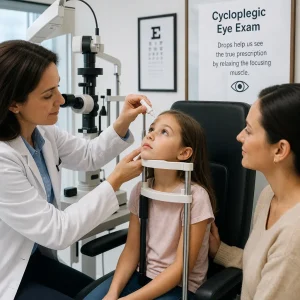
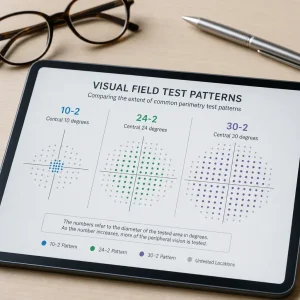
Advanced testing is not always included in the base fee. Retinal imaging, OCT, visual field testing, and dilation may be included, recommended, or billed separately depending on the clinic and the clinical reason for doing them.
| Exam type | Main purpose | Usually includes | Usually does not include |
|---|---|---|---|
| Comprehensive eye exam | Glasses prescription and eye health check | History, refraction, eye health assessment | Contact lens fitting parameters |
| Refraction-only | Prescription update only | Vision measurement and refraction | Full health assessment |
| Contact lens exam/fitting | Contact lens prescription and fit | Lens measurements, fitting, trial assessment, follow-up as needed | Full eyewear purchase cost |
Cost of eye prescription: is the prescription included or separate?
Most people do not pay for a standalone prescription. They pay for an eye exam, and the glasses prescription is usually generated during the refraction portion of that exam.
A refraction-only appointment can exist as a narrower service. It focuses on updating lens power, but it is not the same as a comprehensive eye exam because it may not include the same level of eye health assessment.
A contact lens prescription is separate from a glasses prescription because the measurements are different. Contact lenses need base curve, diameter, lens brand or parameters, and fit evaluation, not just sphere, cylinder, and axis .
The cost of eye prescription therefore depends on what prescription you mean. For glasses, it is commonly part of the exam. For contacts, it usually requires extra fitting work and an added fee.
If you want a copy of your prescription, ask what the clinic’s process is before you book. Policies can differ, and readers in Ontario should confirm current standards with the clinic or their optometrist.
Eye exam cost for glasses vs contact lens exam cost
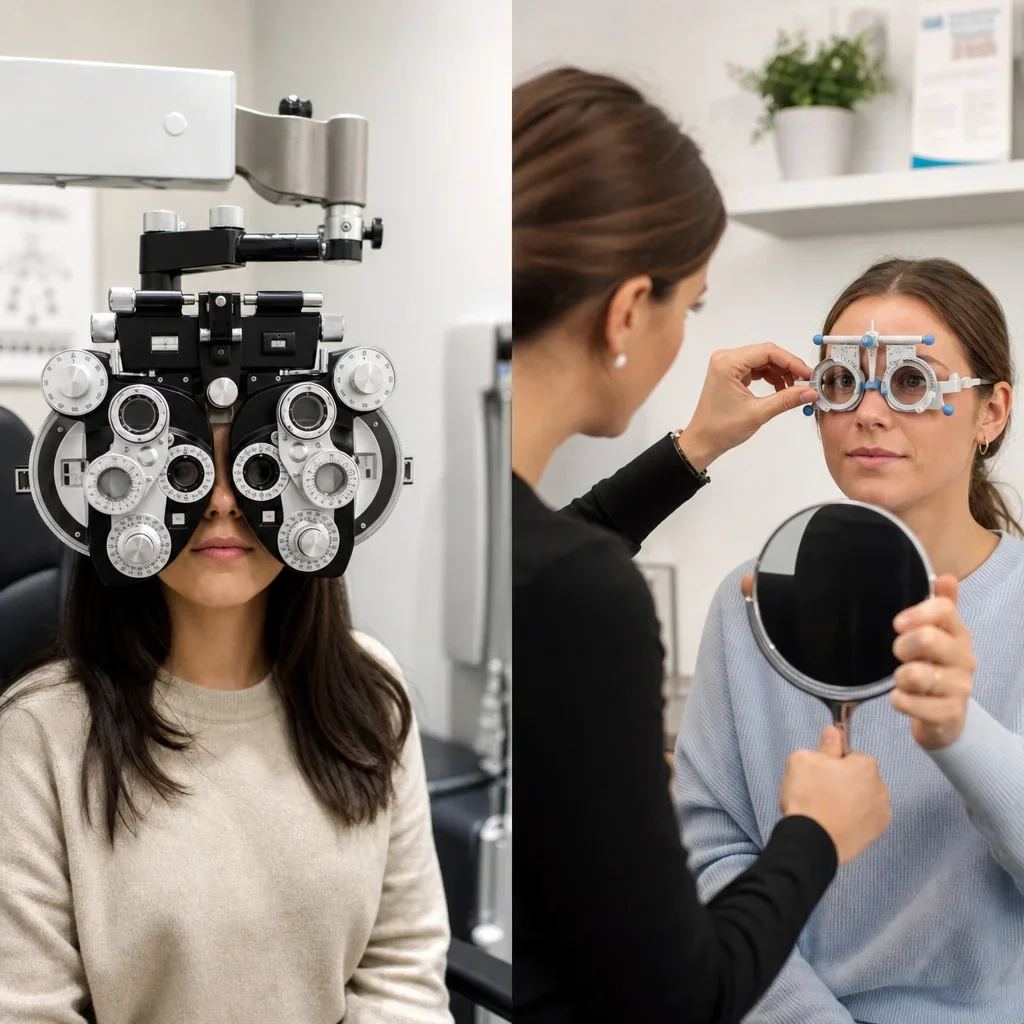
A glasses eye exam is usually less expensive than a first-time contact lens exam because it involves fewer lens-specific steps. The difference matters when you compare contacts exam cost against the cost of a standard glasses visit.
A glasses exam is meant to determine spectacle correction and assess eye health. A contact lens exam builds on that by checking whether a lens can fit safely and perform properly on the eye.
First-time contact lens wearers often pay more than existing wearers updating a prescription. Training, trial lenses, and extra follow-up can add to the total, and training alone is often around $75–$150 when charged separately .
The cheapest eye contact exam is not always the lowest total cost. A low advertised price may exclude fitting, teaching, or follow-up, which are the parts that first-time wearers usually need.
| Service | Purpose | Who it fits | Typical range | Common extras |
|---|---|---|---|---|
| Glasses eye exam | Prescription for spectacles and health check | Most patients needing updated glasses | $100–$250 | Imaging or medical testing if needed |
| Contact lens exam/update | Update for existing lens wearers | Current contact users needing reassessment | $100–$250 | Lens trials, follow-up |
| New contact lens fitting and teaching | First-time contact wear | New wearers or major lens changes | $75–$150 for fitting/training when separate | Trial lenses, follow-up visits |
Total cost breakdown: exam + glasses + lenses
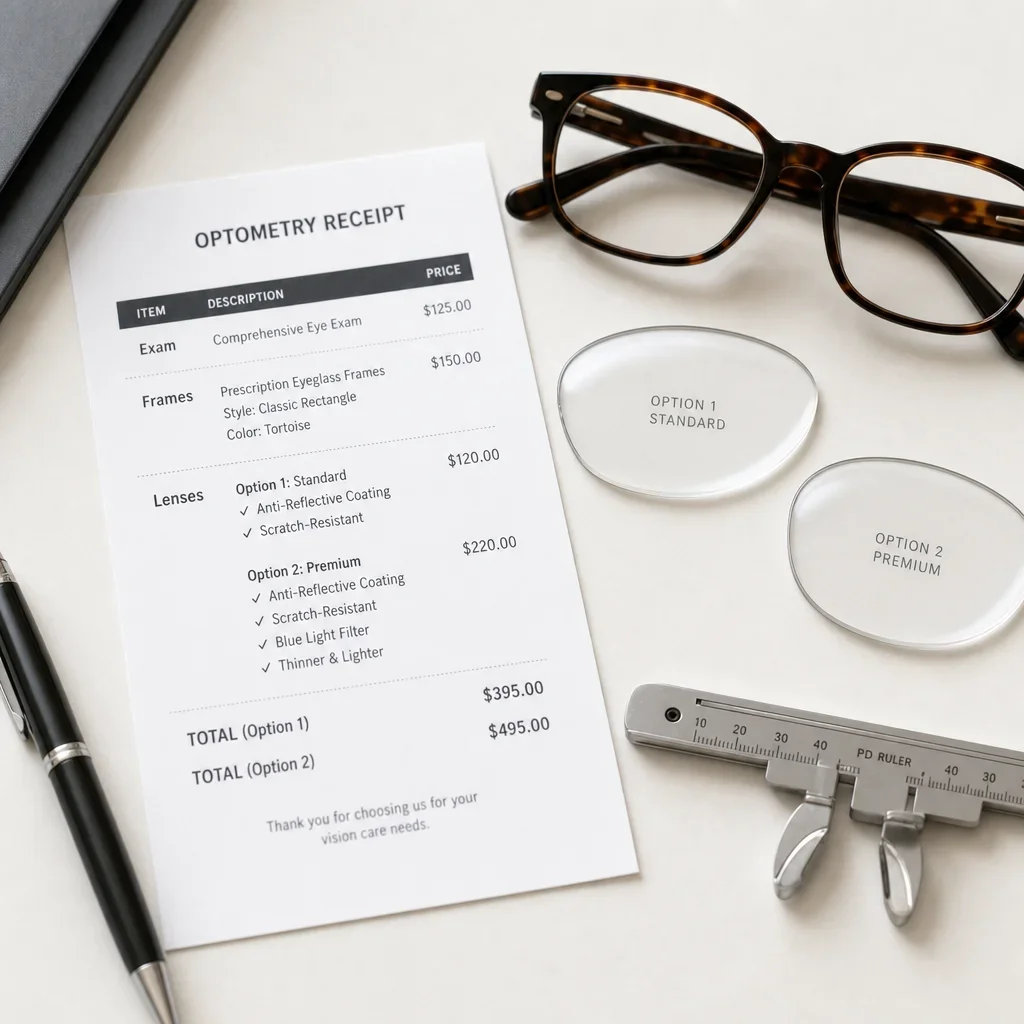
The average price for eye exam and glasses depends more on the lenses than most shoppers expect. Frame brand matters, but prescription strength, progressive design, coatings, and lens material usually move the total faster.
A budget setup is often around $200–$500 total for the exam plus a basic frame and single-vision lenses . This is the range many people mean when they ask for the average cost of eye exam lenses and frames.
A mid-range everyday setup commonly lands around $400–$900 total . That usually reflects a better frame selection, upgraded anti-reflective coating, thinner lens material, or stronger prescriptions.
A premium pair can run $700–$1,500 or more . Progressive lenses, designer frames, high-index materials, photochromic options, and more complex prescriptions are usually what push the total into that band.
| Scenario | Eye exam | Frames | Lenses | Estimated total |
|---|---|---|---|---|
| Budget single-vision glasses | $100–$250 | Lower-cost frame | Basic single-vision lenses | $200–$500 |
| Mid-range everyday glasses | $100–$250 | Mid-range frame | Single-vision lenses with common upgrades | $400–$900 |
| Premium progressive or designer eyewear | $100–$250 | Designer frame | Progressive or premium lens package | $700–$1,500+ |
The average cost of prescription glasses in Ontario is hard to express as one honest number because the category is too wide. A simple pair and a progressive designer pair are both prescription glasses, but the total can differ by several hundred dollars.
If you are choosing eyewear after your exam, prioritize lens accuracy, fit, and comfort first. Optional upgrades and frame branding come after that.
Total cost breakdown: exam + contacts for one year
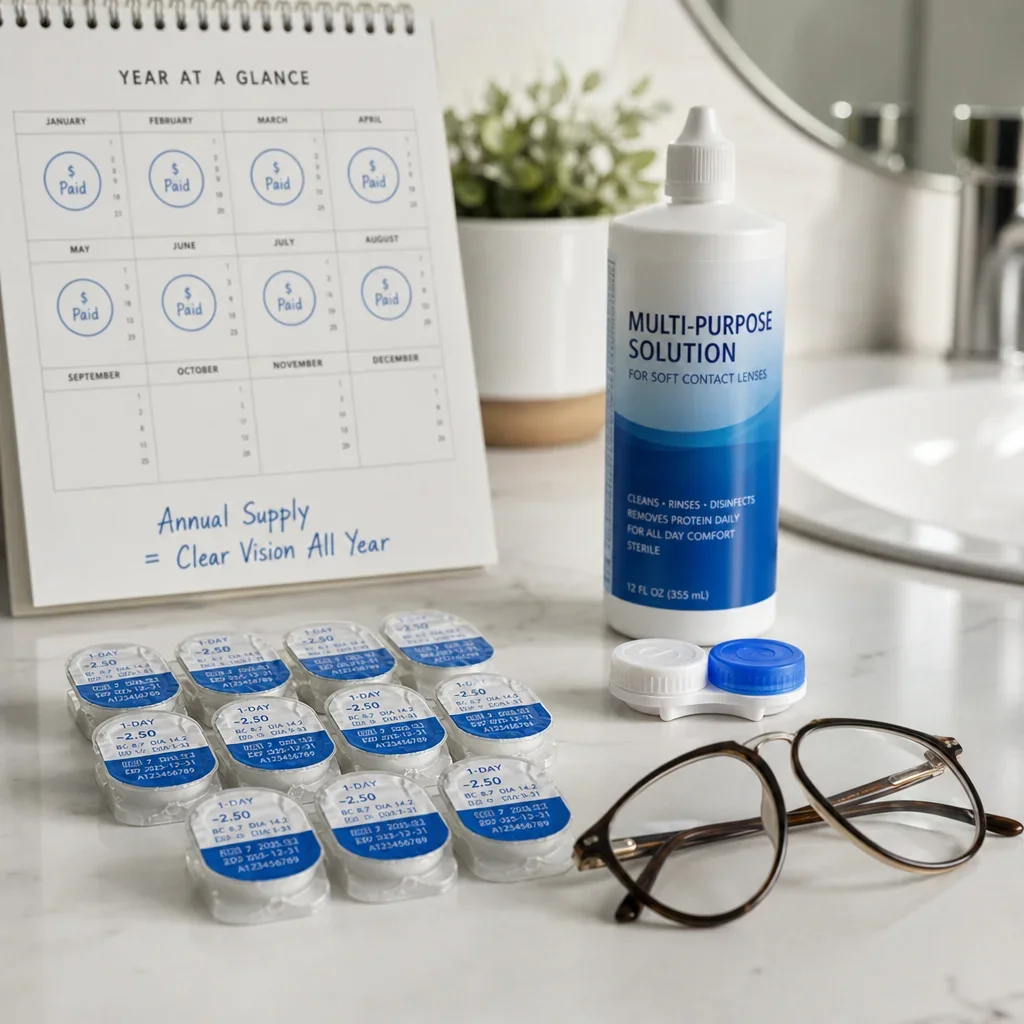
Contacts usually cost more over a full year than a single pair of glasses. The exam is only the first part, and the recurring lens supply is what changes the annual math.
A first-year contact lens setup can include the exam, fitting, teaching, follow-up, and the annual lens supply. That is why contacts eye exam cost alone never tells the full story.
Daily disposable contact lenses often run about $720–$960 per year for a standard annual supply . Multifocal or specialty contact lens supplies can reach about $1,500 per year or more .
Many contact lens wearers still need backup glasses. That means the real yearly spend is often contacts plus at least one usable pair of glasses, not contacts alone.
| Option | Upfront exam costs | Ongoing product costs | Typical annual picture |
|---|---|---|---|
| Glasses only | Comprehensive exam $100–$250 | Usually one pair of glasses | Often lower yearly spend |
| Contacts only | Contact lens exam/fitting $100–$250, plus possible fitting/training $75–$150 | Annual lens supply varies by lens type | Often higher recurring spend |
| Glasses + contacts | Both exam types or added fitting costs | Glasses plus annual lens supply | Highest total, but most flexibility |
If you are comparing glasses to contacts on cost alone, ask for the one-year number. That is the only fair way to compare them.
OHIP, private insurance, and when eye exams may be free or partly covered
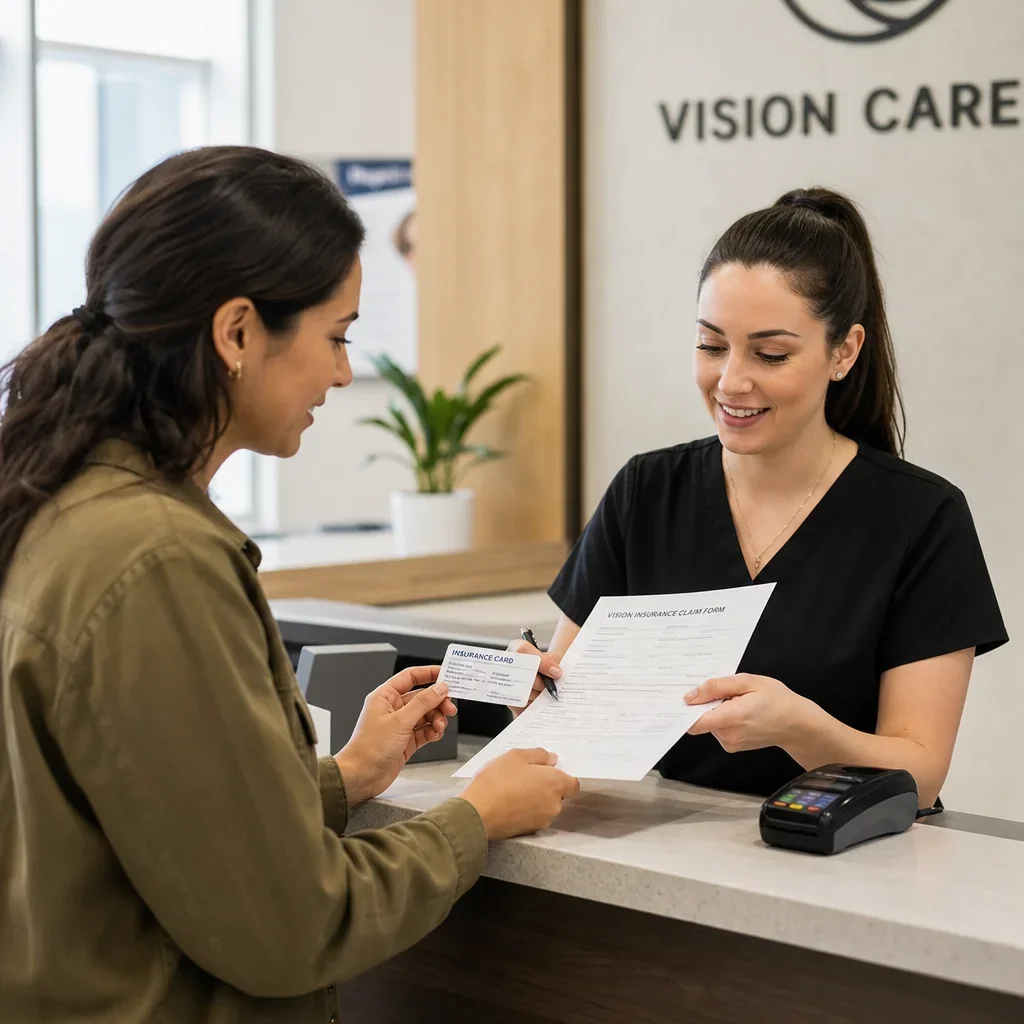
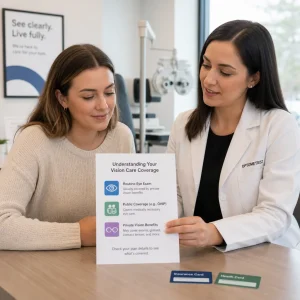
Ontario coverage depends on age, medical eligibility, and the current provincial rules. Routine exams are not universally free for every adult, so do not assume OHIP will automatically cover your visit.
For insured Ontario children and youth, routine eye exams are commonly covered every 12 months . For many insured seniors, routine coverage is commonly every 18 months, with some medically necessary additional assessments possible .
Coverage for working-age adults is more limited for routine care. Some medically necessary exams may be covered, but routine vision exams are often not, which is why private insurance matters for many patients in Ontario.
Some medical conditions can affect eligibility for insured eye care. Diabetes and glaucoma-related monitoring may change what is covered, but the exact rule depends on the current provincial schedule and the reason for the visit, so readers should confirm with OHIP or the clinic before booking.
Private vision plans often cover one eye exam every 12–24 months and may also contribute toward glasses or contact lenses . The plan booklet matters more than any general rule, because exam frequency, dollar limits, and eligible providers vary by insurer.
Direct billing can make the process easier when a clinic offers it. It does not change your coverage, but it can reduce out-of-pocket payment at the desk.
If you live outside Ontario, public coverage rules vary by province. Check your provincial plan rather than assuming Canada has one national eye exam rule.
Hidden add-on fees that can make an advertised exam price higher
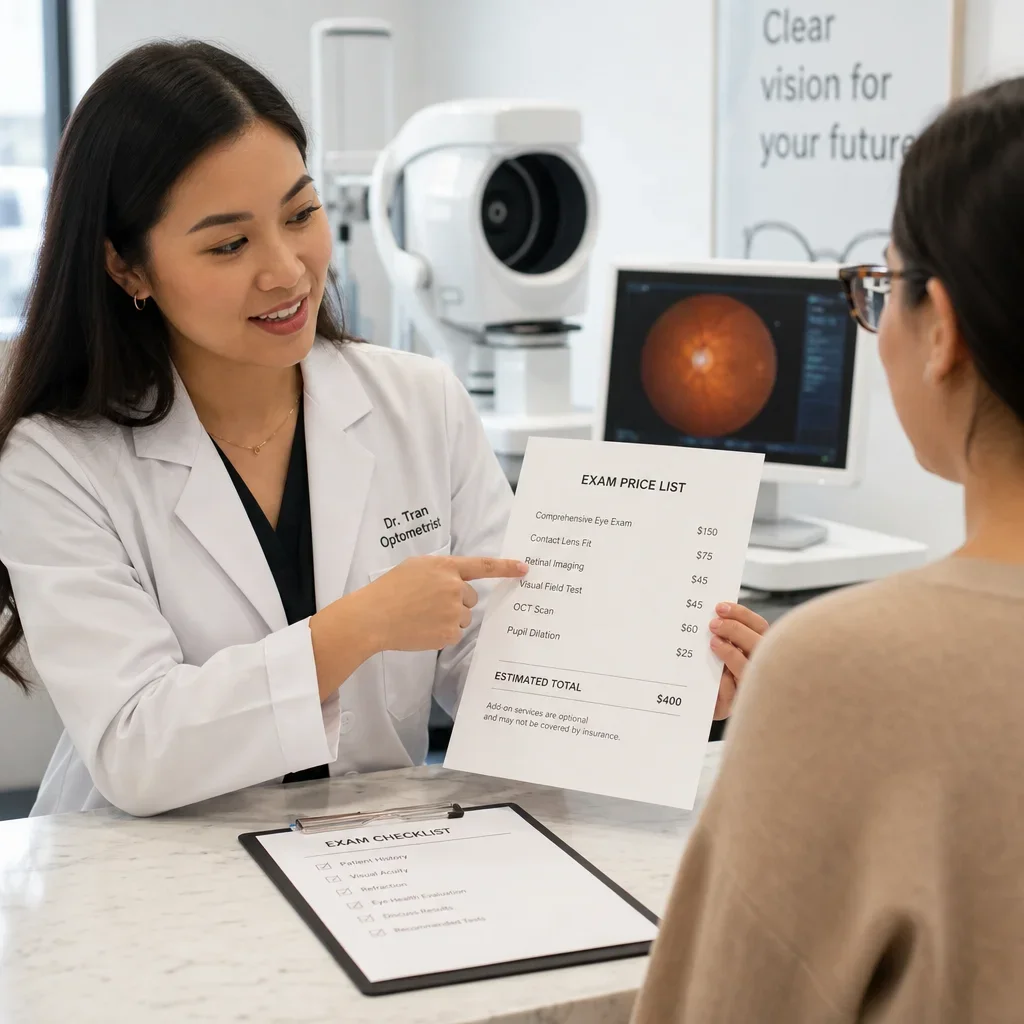
The headline exam price may not be the final price. Imaging, dilation, OCT, visual field testing, contact lens fitting, training, and follow-up can all be charged separately depending on the clinic and the reason for testing.
Not every add-on is optional. Some tests are recommended because of symptoms, age, prescription changes, contact lens use, or findings during the exam.
A transparent comparison should cover what is and is not included before you book. That matters more than chasing the cheapest ad.
Use this checklist when you compare providers:
- Ask whether the quoted fee is for a comprehensive eye exam or a refraction-only visit.
- Ask whether the glasses prescription is included.
- Ask whether retinal imaging, dilation, OCT, or visual field testing are extra.
- Ask whether a contact lens fitting fee is separate.
- Ask whether insertion and removal teaching is included for new wearers.
- Ask whether follow-up visits are included after a contact lens fitting.
- Ask whether a copy of your prescription is provided after the exam.
- Ask whether insurance can be billed directly.
Cheapest eye exam options: how to compare providers fairly
The cheapest exam is not always the cheapest overall option. A lower exam fee can be offset by extra testing fees, limited follow-up, or higher eyewear costs afterward.
Retail chains, warehouse clubs, and independent clinics often use different pricing models. Some compete on exam price, some on eyewear bundles, and some on service, technology, or continuity of care.
If you are comparing warehouse optical, chain optical, and an independent optometrist in Waterloo, compare the same service each time. A full comprehensive exam should be matched against another full comprehensive exam, not against a stripped-down vision check.
A fair provider comparison should include exam scope, wait time, access to follow-up, frame guidance, insurance handling, and whether you can complete the exam and eyewear selection in one visit. Those factors affect value even when the initial sticker price looks higher.
The lowest-cost pathway is usually straightforward. Use any valid coverage first, ask exactly what is included, compare exam-only versus total eyewear cost, and avoid choosing based only on the cheapest posted number.
Is $400 or $600 too much for glasses? How to judge value
$400 is not automatically too much for glasses, and $600 is not automatically excessive either. The answer depends on whether you are paying for better lenses, a stronger prescription, progressive design, premium coatings, or a designer frame.
Lens design often matters more than shoppers think. Progressive lenses, high-index materials, and stronger prescriptions can raise the bill faster than the frame itself.
Some upgrades are useful, and some are optional. A good anti-reflective coating and proper fit can add real value, while other add-ons may matter less if your prescription is simple and your use is basic.
If you want a practical rule, spend on lens quality and fit first. Frame style comes second, and purely optional extras come last.
Aftercare also matters. Adjustments, repairs, and proper fitting can make a mid-range pair perform better than a poorly fitted expensive pair.
How often should you get an eye exam?
Eye exam frequency depends on age, symptoms, eye health history, diabetes, contact lens wear, and your optometrist’s recommendation. There is no one schedule that fits every patient.
Contact lens wearers commonly need regular follow-up because lens fit and corneal health have to be checked, not just visual clarity. Annual contact lens exams are commonly recommended .
If your prescription changes often, you have eye health concerns, or you notice blur, headaches, strain, or comfort issues, book sooner rather than waiting for the next routine interval. Updating the wrong glasses late can cost more than getting checked on time.
Why booking your exam and glasses in one place can save time
One-stop care saves time because your exam, frame selection, and lens ordering can happen in the same visit. That removes the usual back-and-forth between clinics, records, and optical counters.
For Waterloo and Kitchener shoppers, that convenience can matter as much as the sticker price. An all-in-one visit means your prescription can be reviewed on the spot, frames can be fitted properly, and insurance handling can be coordinated in one place.
At Premier Optical, patients can book an eye exam, choose glasses, and have lenses prepared through an in-house lab in the same location. Direct insurance billing and free repairs or adjustments add convenience, and some prescriptions may qualify for 1-hour lenses, depending on the lens type and order details.
If you want the most useful quote, ask for the total expected cost after the exam, not just the exam fee alone. That is usually the number that helps you choose properly.
FAQ
How much does an eye exam cost in Ontario without insurance?
A comprehensive eye exam in Ontario is commonly around $100–$250 , depending on the clinic, the complexity of the visit, and whether extra testing is added.
Does OHIP cover routine eye exams in Ontario?
Routine coverage depends on age and eligibility. Insured children and youth are commonly covered every 12 months, and many insured seniors are commonly covered every 18 months , but working-age adults often need private coverage or pay out of pocket for routine exams.
Is the prescription included in an eye exam?
A glasses prescription is usually produced during the refraction part of a comprehensive exam. A contact lens prescription is separate because it requires fitting and lens-specific measurements.
What is the difference between a glasses prescription and a contact lens prescription?
A glasses prescription gives spectacle lens power. A contact lens prescription also needs lens-specific parameters like base curve, diameter, brand or fitting details, and a fit assessment .
How much does a contact lens exam cost?
A contact lens exam or fitting is often around $100–$250 , and first-time wearers may also see separate fitting or training fees around $75–$150 when charged separately .
What extra fees can be added to an eye exam?
Possible extras include retinal imaging, dilation, OCT, visual field testing, contact lens fitting, teaching, and follow-up visits. Ask what is included before you book.
How much do glasses cost after an eye exam?
A budget exam-plus-glasses setup is often around $200–$500, a mid-range setup around $400–$900, and a premium or progressive setup around $700–$1,500+ .
Is a cheap eye exam always the best value?
Usually not. The best comparison is the full cost, what is included, and whether you get the testing, prescription type, and follow-up you actually need.
How often should contact lens wearers have an eye exam?
Annual contact lens exams are commonly recommended , because fit and eye surface health need regular review.
Can Premier Optical bill insurance directly?
Premier Optical offers direct insurance billing. Coverage still depends on your specific plan and benefit limits.
If you are in Waterloo or Kitchener, the next practical step is to book an exam and ask for a clear breakdown before you choose frames or contacts. That makes it much easier to compare the real total, not just the first price you see.