Dilated eyes during an eye exam are crucial for a comprehensive evaluation of your eye health. This procedure allows optometrists to examine the retina and optic nerve more effectively, identifying potential issues that may not be visible otherwise. In this guide, you will learn about the importance of pupil dilation, the steps involved in the procedure, and how to prepare for your eye exam. Many individuals may feel anxious about the process, but understanding what to expect can alleviate concerns and ensure a smoother experience. We will cover the procedure in detail, preparation steps, potential effects on vision, and tips for choosing designer eyewear after your exam.
Guide on Dilated Eyes for Eye Exams
Dilated eyes are essential for a thorough eye examination, as they provide a clearer view of the internal structures of the eye. The dilation process involves the use of special eye drops that widen the pupils, allowing the optometrist to assess the health of the retina and optic nerve. Regular eye exams, including dilation, are vital for early detection of conditions such as glaucoma, diabetic retinopathy, and macular degeneration. Understanding the significance of this procedure can help patients appreciate the importance of maintaining their eye health.
Procedure:
The eye dilation procedure consists of several key steps that ensure a comprehensive evaluation of your eye health.
Initial Consultation:
During the initial consultation, your optometrist will gather your medical history and discuss any vision concerns you may have. This information is crucial for tailoring the examination to your specific needs and identifying any risk factors that may affect your eye health.
Vision Testing:
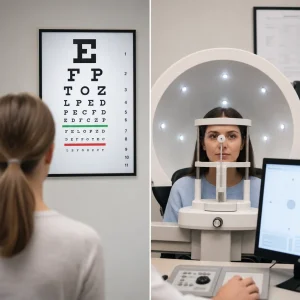
Various vision tests will be conducted to assess your eyesight. These tests may include checking visual acuity, colour vision, and peripheral vision. Each test serves a specific purpose in evaluating your overall eye health and identifying any potential issues.
Dilating the Pupils:
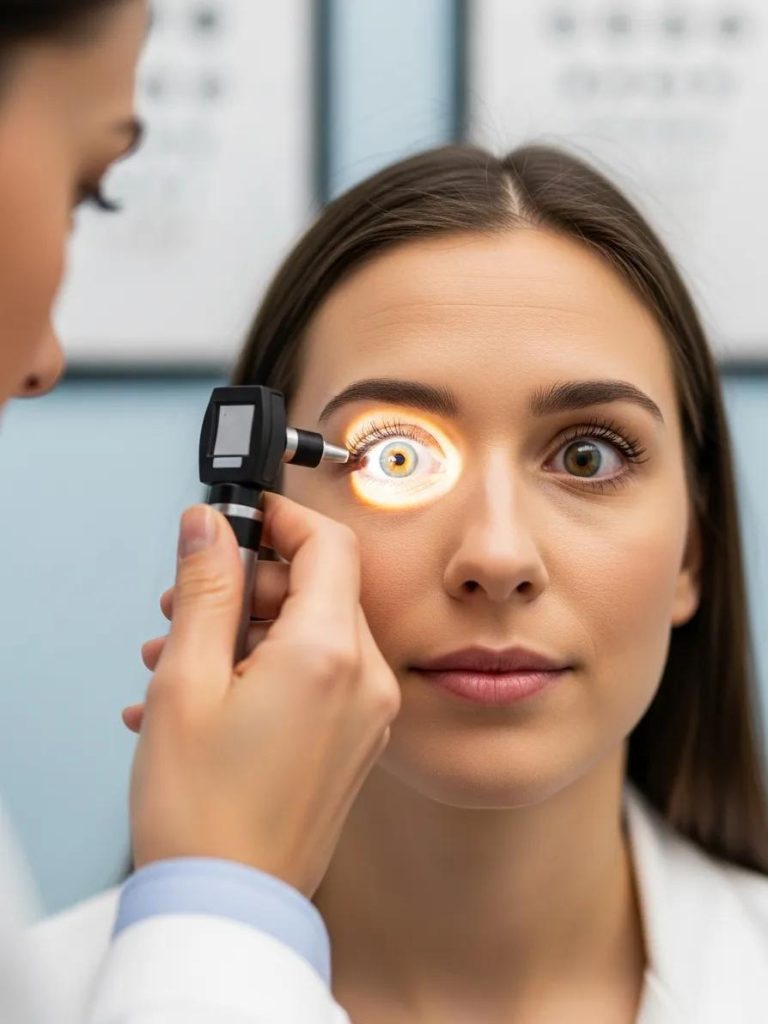
The next step involves administering dilation drops to widen your pupils. These drops typically take about 15 to 30 minutes to take effect. You may experience a slight stinging sensation upon application, but this is generally brief and well-tolerated.
Research further investigates the physiological impact of these mydriatic agents on the eye’s internal structures, specifically the choroidal vasculature.
Effects of Mydriatic Eye Drops on Choroidal Vasculature
1. To evaluate choroidal vasculature changes after the instillation of mydriatic parasympatholytic and sympathomimetic agents in healthy subjects.
2. A total of 95 healthy subjects were enrolled in this prospective, randomized comparative study. Study participants were divided into three different groups depending on the drug to be administered: tropicamide (1%) group (n= 31), tropicamide (0.5%) + phenylephrine (10%) group (n= 30) and control group receiving artificial tears (n= 34). All participants underwent a complete ophthalmological examination including best corrected visual acuity, refractive status and axial length. Subfoveal choroidal thickness (CT), total choroidal area (TCA), luminal and stromal choroidal area (LCA and SCA) and choroidal vascularity index (CVI) were measured before and after eye drops instillation.
Effects of different mydriatics on the choroidal vascularity in healthy subjects, J Chhablani, 2021
Eye Health Evaluation:
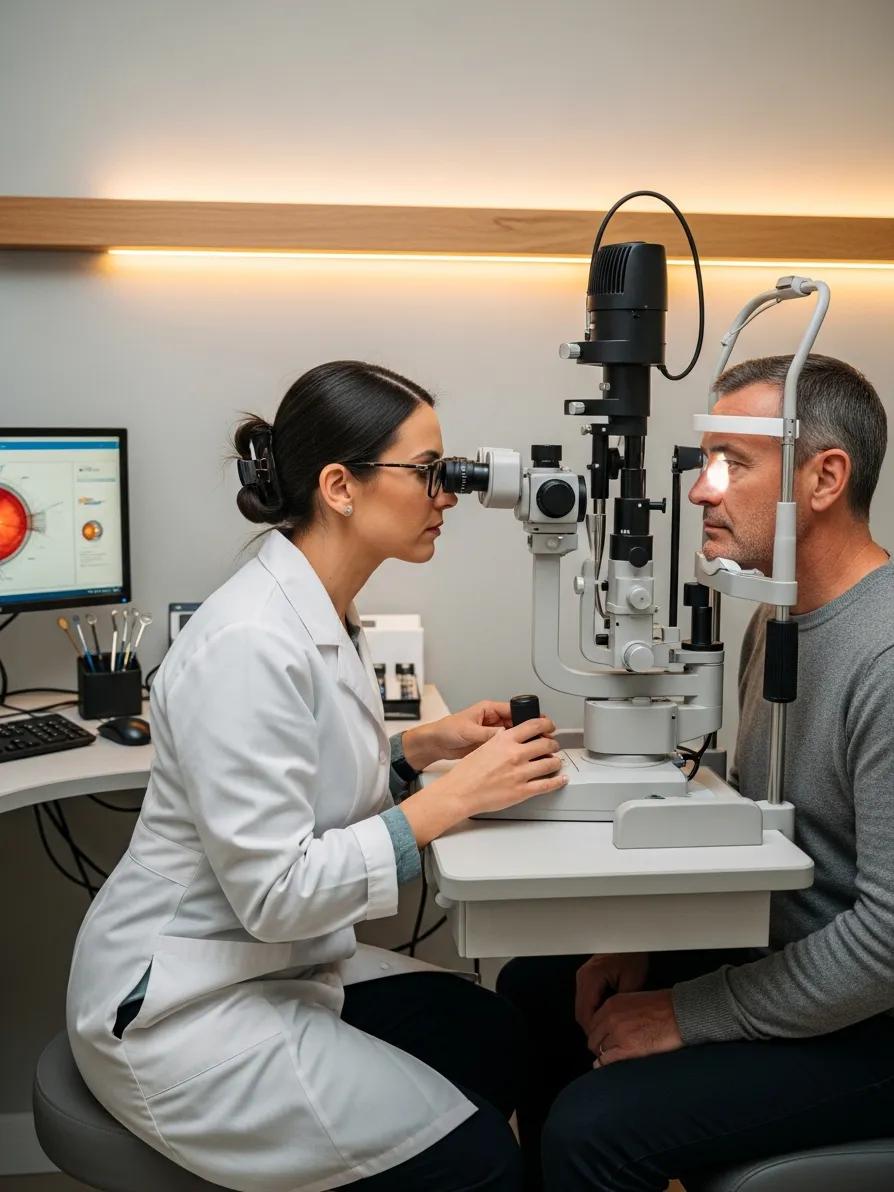
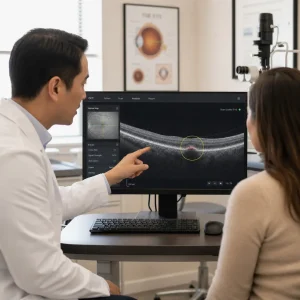
Once your pupils are dilated, the optometrist will examine your retina and optic nerve using specialized equipment. This evaluation is critical for detecting various eye conditions, including retinal tears, detachments, and signs of systemic diseases that can affect your vision.
Preparation Steps:
Preparing for a dilated eye exam is essential to ensure a smooth experience. Here are some steps to consider:
- Schedule an Appointment: Make sure to book your eye exam in advance, allowing enough time for any necessary follow-up appointments.
- Bring Sunglasses: Since dilation can cause light sensitivity, having a pair of sunglasses on hand can help you feel more comfortable after the exam.
- Arrange Transportation: It is advisable to have someone accompany you to the appointment, as your vision may be affected temporarily after dilation.
Potential Effects on Vision and Comfort:
Dilation can lead to several temporary effects on your vision and comfort. Understanding these effects can help you prepare for your appointment.
- Light Sensitivity: After dilation, you may experience increased sensitivity to light, making it uncomfortable to be in bright environments.
- Blurred Vision: Your near vision may be temporarily blurred, affecting your ability to read or focus on close objects.
- Duration of Effects: The effects of dilation typically last for 4 to 6 hours, but this can vary depending on the individual and the type of drops used.
What Is the Eye Dilation Procedure and Why Is It Important?
The eye dilation procedure is a critical component of a comprehensive eye exam. It allows for a detailed examination of the retina and optic nerve, which are essential for maintaining good vision and overall eye health.
How Does Pupil Dilation Enhance Eye Exam Accuracy?
Pupil dilation enhances the accuracy of eye exams by providing a wider view of the internal structures of the eye. This improved visibility allows optometrists to detect serious eye diseases, such as glaucoma and diabetic retinopathy, at earlier stages when treatment is most effective.
What Retinal and Optic Nerve Conditions Can Dilation Detect?
Dilation can help identify various conditions affecting the retina and optic nerve, including:
- Glaucoma: A condition characterized by increased intraocular pressure that can lead to vision loss.
- Age-related Macular Degeneration: A leading cause of vision loss in older adults, affecting the central part of the retina.
- Diabetic Retinopathy: Damage to the retina caused by diabetes, which can lead to severe vision impairment if not managed properly.
How Should You Prepare for a Dilated Eye Exam?
Proper preparation can enhance your experience during a dilated eye exam. Here are some essential tips:
What to Bring:
Make sure to bring the following items to your appointment:
- Health Card: To verify your insurance and eligibility for coverage.
- Insurance Information: If applicable, to ensure proper billing.
- Current Glasses or Contacts: Bring your eyewear to assist in the examination process.
Pre-Exam Instructions:
Before your exam, consider these important instructions:
- Contact Lens Considerations: If you wear contact lenses, you may need to remove them before the exam. Consult your optometrist for specific guidance.
- Informing Staff About Medications: Be sure to inform the staff about any medications you are currently taking, as some may affect your eye health.
What to Expect During the Exam:
During the exam, you can expect a series of tests, including the dilation process. The optometrist will explain each step, ensuring you are comfortable and informed throughout the procedure.
Post-Exam:
After the exam, your optometrist will discuss the findings and any recommendations for your eye health. This may include suggestions for eyewear or follow-up appointments.
Duration:
The entire eye exam, including dilation, typically takes about 1 to 2 hours. However, this can vary based on individual circumstances and the complexity of the examination.
What Are Essential Eye Exam Preparation Tips?
To ensure a successful eye exam, consider these additional preparation tips:
- Arranging Transportation: Since your vision may be affected after dilation, having someone to drive you home is advisable.
- Timing of the Appointment: Schedule your appointment at a time when you can afford to take it easy afterwards, allowing your vision to return to normal.
Are There Specific Precautions for Waterloo Patients?
Waterloo residents should consider local factors when preparing for their eye exam. This includes:
- Local Transportation Options: Familiarize yourself with public transportation routes or parking options near the optical boutique.
- Weather Considerations: Check the weather forecast to ensure you are prepared for any conditions that may affect your travel.
What to Expect During and After Your Dilated Eye Exam?
Understanding what to expect during and after your dilated eye exam can help ease any anxiety you may have.
How Long Does Eye Dilation Last and What Are Its Effects?
The effects of eye dilation typically last between 4 to 6 hours. During this time, you may experience light sensitivity and blurred vision, which can make it challenging to perform tasks such as reading or driving.
What Are Common Side Effects of Pupil Dilation?
Common side effects of pupil dilation include:
- Increased Light Sensitivity: Bright lights may feel uncomfortable, so wearing sunglasses can help.
- Blurred Vision: You may find it difficult to focus on close objects, which is temporary and will resolve as the dilation wears off.
Can You Drive After an Eye Exam with Dilated Pupils?
Driving after an eye exam with dilated pupils is generally not recommended due to the temporary effects on your vision.
What Safety Measures Should You Take Post-Exam?
To ensure your safety after the exam, consider these measures:
- Avoiding Bright Lights: Stay away from bright environments until your vision returns to normal.
- Arranging Transportation: Have someone drive you home or use public transportation if necessary.
When Is It Safe to Resume Normal Activities?
You can typically resume normal activities once the effects of dilation have worn off, usually within 4 to 6 hours. However, if you have any concerns, consult your optometrist for personalized advice.
How to Choose Designer Eyewear After a Dilated Eye Exam?

Choosing the right eyewear after your dilated eye exam is essential for both comfort and style. Here are some tips to consider:
What Are the Benefits of Designer Eyewear with Warranty?
Opting for designer eyewear offers several advantages:
- Style and Personalization: Designer frames come in various styles, allowing you to express your personality.
- Comfort and Fit: High-quality materials ensure a comfortable fit, which is crucial after an eye exam.
How Does Premier Optical Boutique Support Aftercare and Adjustments?
At Premier Optical Boutique, we provide comprehensive aftercare services to ensure your eyewear meets your needs. Our personalized consultations help you select the perfect frames, and we offer free adjustments to ensure a comfortable fit. This commitment to customer satisfaction makes us a trusted choice for your eyewear needs in Waterloo.
| Eyewear Type | Feature | Warranty |
|---|---|---|
| Designer Glasses | Stylish frames | 2-year warranty |
| Sunglasses | UV protection | 1-year warranty |
| Contact Lenses | Daily wear | 30-day satisfaction guarantee |
This table highlights the various eyewear options available at Premier Optical Boutique, emphasizing the benefits and warranties that come with each choice.
Choosing the right eyewear is an important step after your dilated eye exam, and understanding your options can help you make an informed decision.
For those in need of vision correction, eye glasses offer a practical and stylish solution. Selecting the right frames and lenses can significantly improve your vision and overall comfort.
If you’re experiencing discomfort while working on a computer, consider exploring computer glasses. These specialized glasses can help reduce eye strain and improve focus during prolonged screen time.