A routine eye exam is considered preventive care in purpose because it checks vision and eye health before a problem becomes obvious. But whether an eye exam is considered preventive by OHIP or your insurance plan depends on your age, medical history, benefit rules, and reason for the visit.
A preventive eye exam can identify changes in vision, assess eye-health risks, and give your optometrist a baseline for future care. It does not automatically mean the appointment is free. Ontario coverage and private vision benefits use their own eligibility and billing rules.
Is an Eye Exam Considered Preventive Care?
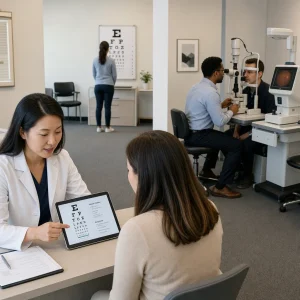
A comprehensive eye exam is preventive when it is booked to monitor vision and eye health without a new urgent concern. Preventive eye care focuses on finding changes early, including prescription shifts and signs that may need monitoring or referral.
An exam for sudden pain, injury, flashes, new floaters, infection concerns, or known eye-disease follow-up is usually problem-focused rather than routine. The visit may still be medically necessary, but the payer may classify it differently.
A preventive eye exam does not guarantee OHIP coverage or full insurance reimbursement. OHIP eligibility and private-plan benefits are separate from the clinical reason an optometrist recommends an examination.
Preventive Eye Exam vs. Vision Screening vs. Medical Eye Exam
A vision screening is not the same as a comprehensive eye exam. Screening checks a limited function, such as whether a person may have trouble seeing clearly, while an optometrist’s examination evaluates vision, eye health, history, and risk factors.
| Appointment type | Main purpose | Typical scope | What happens next |
|---|---|---|---|
| Preventive or routine comprehensive eye exam | Monitor vision and eye health before symptoms develop | Health history, vision testing, prescription assessment, and eye-health testing selected by the optometrist | Glasses, monitoring, further testing, or referral may be recommended |
| Vision screening | Identify whether a full exam may be needed | Limited check, commonly performed in schools, workplaces, or community settings | A failed or concerning screen should lead to a comprehensive exam |
| Medical eye exam | Assess a symptom, injury, disease concern, or treatment follow-up | Testing is focused on the presenting concern and clinical findings | The optometrist may treat, monitor, refer, or direct urgent care |
| Refraction or contact lens assessment | Measure vision for glasses or assess contact lens fit and eye-surface health | Prescription measurement, lens fit, comfort, and contact-lens-related assessment | Glasses or contact lens parameters may be updated |
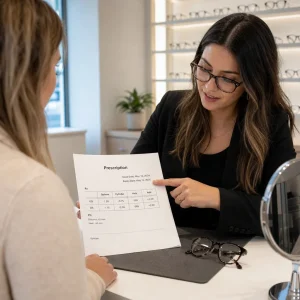
A refraction determines the lens power that may improve vision. Glasses prescriptions and contact lens services can be billed differently from the eye-health portion of an exam, depending on OHIP rules and the patient’s private vision plan.
What Does a Preventive Eye Exam Check?
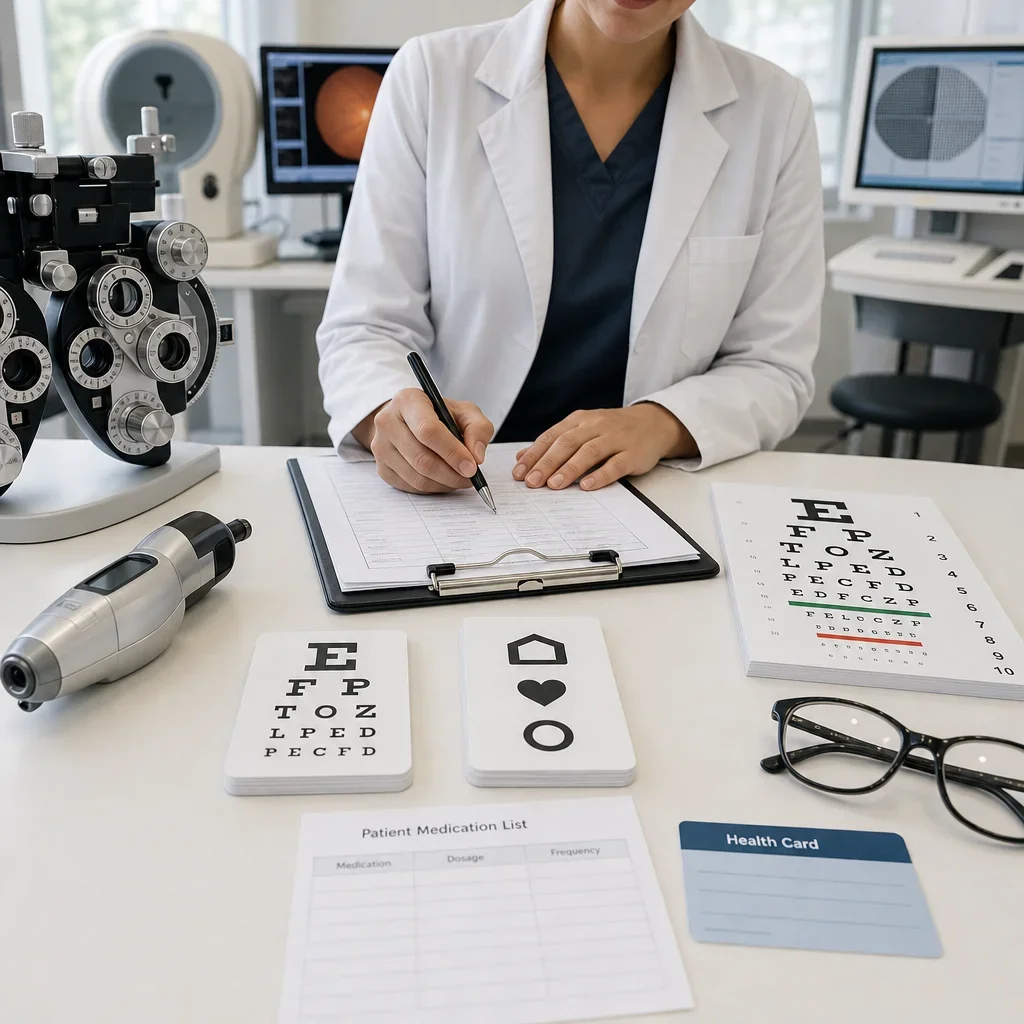
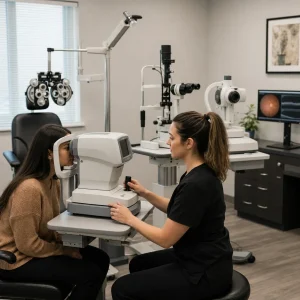
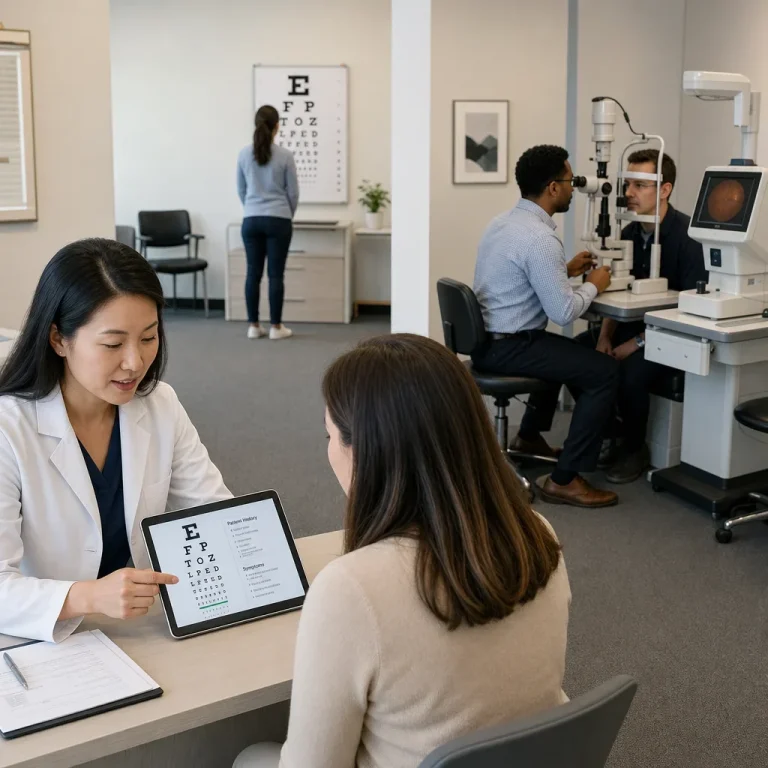
A comprehensive eye exam usually begins with your health history, medications, visual needs, and current symptoms. This information helps the optometrist decide which eye exam procedures are clinically appropriate.
Vision testing measures how clearly each eye sees and how the eyes work together. A refraction checks whether glasses or contact lens prescription changes could improve clarity.
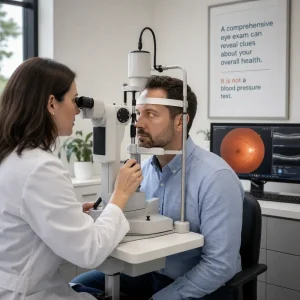
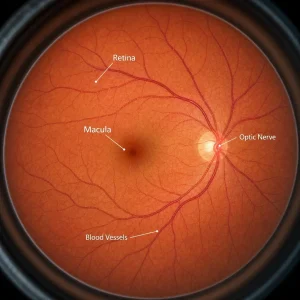
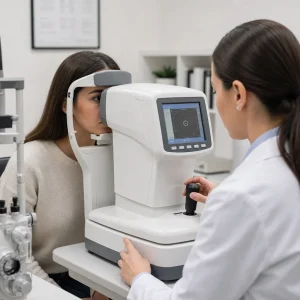
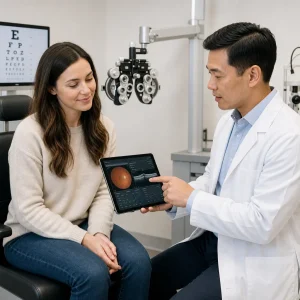
Eye-health testing can include an external eye assessment, internal eye assessment, and glaucoma-related evaluation. The exact tests depend on age, symptoms, findings, family history, health conditions, and the optometrist’s clinical judgment.
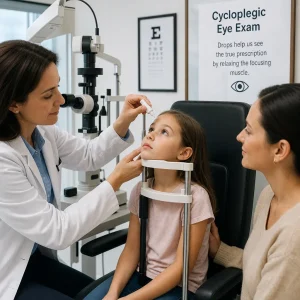
Dilation, retinal imaging, visual-field testing, or pressure testing may be recommended when the optometrist needs a better view of the retina or more information about a possible concern. These tests are not automatically performed in every appointment because testing should match the patient’s clinical needs.
Bring your current glasses, contact lenses, medication list, health-card information, and private benefit details to the appointment. Ask in advance whether dilation may be recommended, because dilating drops can temporarily blur near vision and increase light sensitivity.
Do not stop prescribed medication before an eye exam unless the clinician who prescribed it tells you to do so. Medication use, including eye drops and supplements, can affect eye comfort, pupil response, or test interpretation.
What Can an Eye Exam Help Detect?
An eye exam can assess for signs associated with glaucoma, cataracts, macular degeneration, diabetic retinopathy, dry eye disease, and refractive change. An optometrist may identify findings that require monitoring, additional testing, or referral, but an exam does not guarantee that every condition will be found.
Glaucoma can develop with few noticeable early symptoms, especially in its early stages. A dilated eye exam and other glaucoma-related tests can help an optometrist assess the optic nerve and identify whether further investigation is needed.
Possible early glaucoma signs can include gradual peripheral-vision changes or no noticeable symptoms at all. Severe eye pain, halos around lights, nausea, or sudden vision loss are not routine monitoring concerns and need prompt medical assessment.
Eye findings can sometimes suggest changes associated with diabetes, high blood pressure, or cholesterol-related vascular concerns. An eye exam cannot diagnose high cholesterol on its own; blood testing and medical assessment are required to confirm systemic conditions.
A medical eye exam does not replace care from a family physician, endocrinologist, or other medical provider. Eye-care findings may lead to a referral when the optometrist sees changes that need broader health follow-up.
How Often Should You Get an Eye Exam?
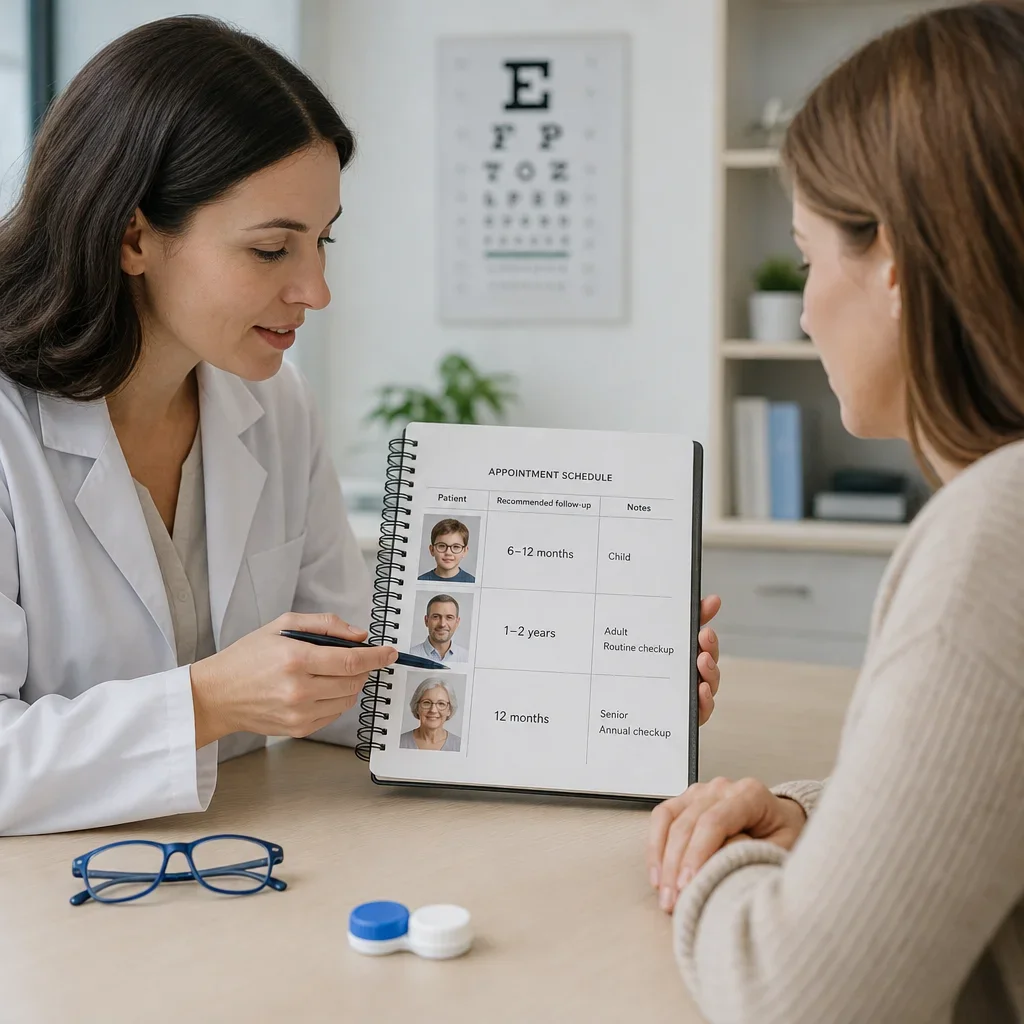
Eye exam frequency should reflect age, prescription changes, eye-health history, medications, and risk factors. A person with diabetes, glaucoma risk, a previous eye condition, a high prescription, or medication-related eye risks may need annual monitoring or a different schedule set by their optometrist.
| Group | General scheduling approach |
|---|---|
| Children and youth | Ontario recommends routine eye examinations at least every 12 months for patients under age 20. |
| Healthy adults ages 20 to 64 | A comprehensive exam every 2 years is a common general guideline when there are no symptoms or identified risk factors. |
| Adults age 65 and older | Ontario routinely covers an eye examination every 12 months for eligible patients age 65 and older. |
| Contact lens wearers | Follow the optometrist’s recommended schedule because lens fit, eye-surface health, and prescription needs can change. |
| Diabetes, glaucoma risk, previous eye disease, or high-risk medication use | Follow-up is commonly annual or more frequent when directed by the optometrist or physician. |
Healthy adults without symptoms do not all need the same schedule. Visual demands, family history, prescription changes, pregnancy, chronic health conditions, and previous exam findings can all change the recommended interval.
Contact lens wearers need more than a glasses prescription check. Contacts sit directly on the eye, so an assessment may include lens fit, comfort, corneal health, and how the eyes tolerate the lens material.
Are Eye Exams Free in Ontario? Understanding OHIP and Private Vision Benefits

Eye exams are not universally free in Ontario. OHIP coverage depends on the patient’s age and whether they meet Ontario’s eligibility rules for an insured eye-care service.
| Patient group | General OHIP position |
|---|---|
| Under age 20 | OHIP covers a routine eye examination every 12 months for eligible patients. |
| Ages 20 to 64 without an eligible medical condition | Routine eye exams are generally not covered by OHIP. |
| Ages 20 to 64 with qualifying medical circumstances | OHIP may cover eye-care services when the patient meets Ontario’s medical eligibility requirements. |
| Age 65 and older | OHIP covers a routine eye examination every 12 months for eligible patients. |
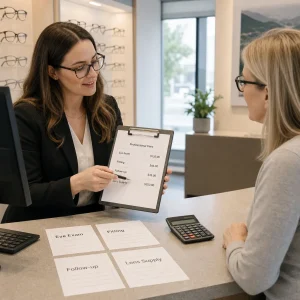
Private insurance may cover a comprehensive eye exam even when OHIP does not. Plans can have annual or biennial allowances, co-pays, network requirements, claim limits, and separate rules for glasses, contact lenses, lens options, and additional testing.
A plan that describes eye care as preventive may still have a dollar limit, a claim-frequency limit, or services excluded from the benefit. Direct billing can simplify submitting an eligible claim, but the insurer makes the final coverage decision under the member’s plan.
Before booking an eye exam in Waterloo, confirm these points with your insurer or clinic:
- Whether your plan covers a comprehensive eye exam.
- The date of your last vision-care claim.
- Whether refraction or contact lens assessment is included.
- Whether additional testing has separate coverage.
- Whether direct billing is available for your insurer.
- Whether a referral, network provider, or pre-authorization is required.
Why Might a Preventive Eye Exam Still Have a Charge?
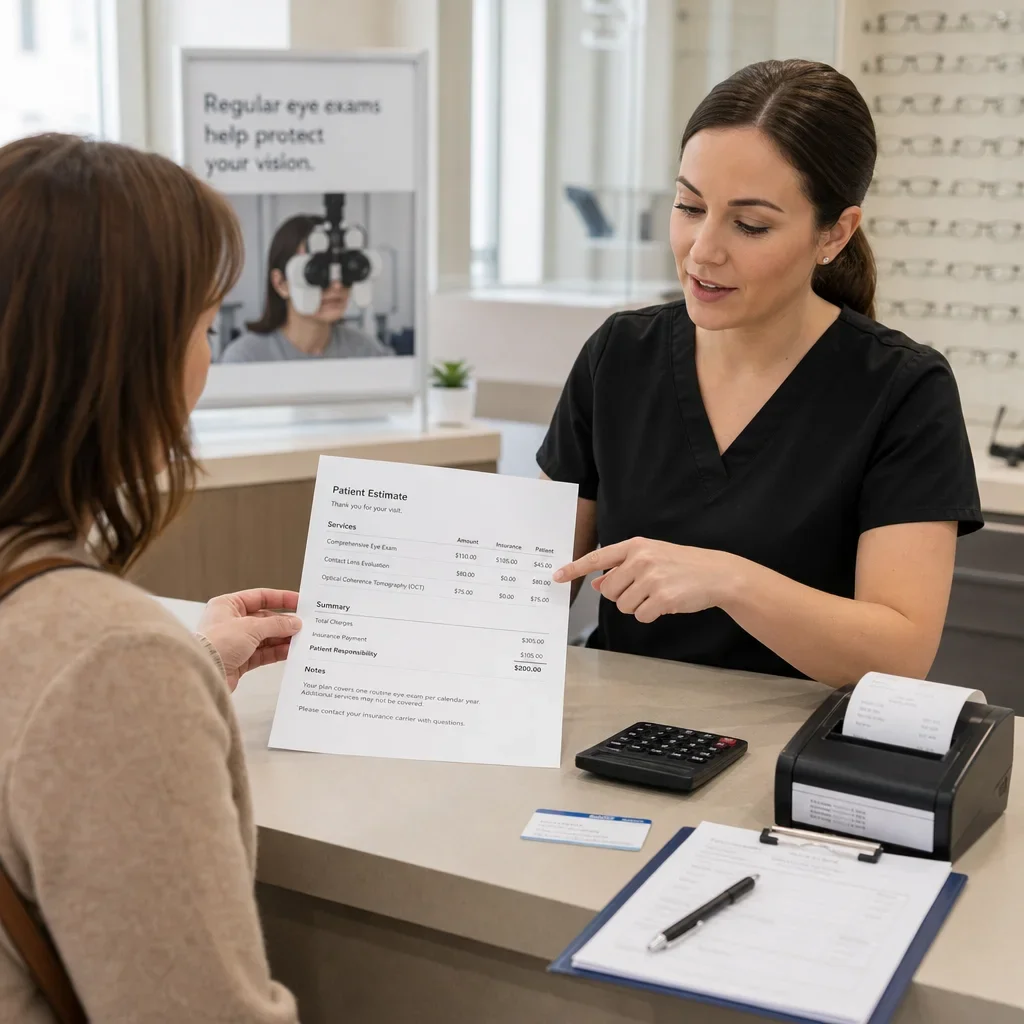
Preventive purpose, OHIP eligibility, and private-plan coverage are three different things. A routine visit can be clinically preventive while still having an out-of-pocket cost.
A charge may apply when a patient is not eligible for OHIP routine coverage, has already used the available vision benefit, has a co-pay, or has reached the plan’s allowance. Some plans also separate coverage for exams, refraction, contact lens services, retinal imaging, or eyewear.
A symptom-based visit may be clinically necessary but billed differently from a planned routine examination. The clinic can explain the appointment type and payment process, but it cannot promise what OHIP or an insurer will approve for your individual claim.
Should You Book a Routine Eye Exam or a Problem-Focused Visit?
Book a comprehensive preventive eye exam when you have no urgent symptoms and are due for regular vision and eye-health monitoring. This is the right starting point for routine prescription updates, family-history discussions, and general preventive eye care.
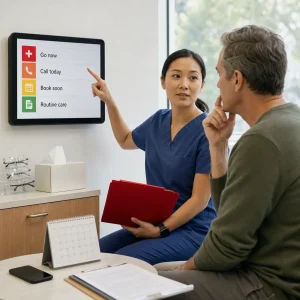
Ask the clinic about the appropriate appointment type when you have a contact lens problem, a noticeable prescription change, eye strain, dry-eye symptoms, or a concern that is not sudden or severe. The clinic can help direct the booking based on the concern you describe.
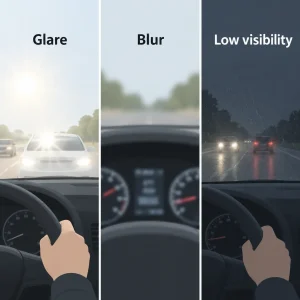
Seek urgent medical guidance instead of waiting for a routine appointment if you have sudden vision loss, a marked vision change, a curtain or shadow in vision, new flashes with a shower of floaters, severe eye pain, chemical injury, a red painful eye with light sensitivity, or sudden double vision. These symptoms need timely assessment because they can be associated with serious eye or health concerns.
Premier Optical’s Waterloo team can help patients choose between a routine comprehensive eye exam and a concern-focused appointment. Coverage should still be confirmed with OHIP or the insurer before the visit because eligibility is personal.
Everyday Preventive Eye Care Between Exams
UV-protective sunglasses reduce exposure to ultraviolet light when worn outdoors. Sunglasses support eye comfort and protection, but they do not replace monitoring or treatment for eye disease.
Protective eyewear matters at work, during home projects, and in sports where impact or debris is possible. Safety eyewear should be matched to the task and meet the relevant protection standard for that environment.
Screen breaks can reduce visual fatigue during prolonged close work. The commonly used 20-20-20 approach is to look about 20 feet away for about 20 seconds every 20 minutes. It is a comfort strategy, not a substitute for an eye exam.
The so-called 30-30-30 rule for eyes is not a universal clinical standard. Any break routine is useful only when it helps reduce prolonged close focus, blinking decreases, and dry-eye discomfort.
Managing diabetes, blood pressure, and other diagnosed health conditions supports overall eye health. Avoiding smoking also matters because smoking is associated with increased risk for several eye-health concerns.
A varied diet with fruits, vegetables, and nutrient-dense foods supports general health. No single food, supplement, pair of glasses, or screen-break rule can prevent or cure glaucoma, macular degeneration, or other eye disease.
FAQ
Is an eye exam considered preventive care?
A routine comprehensive eye exam is preventive in purpose because it checks vision and eye health before symptoms appear. Coverage is separate and depends on OHIP eligibility or the terms of your private benefit plan.
Is a vision screening the same as an eye exam?
No. A vision screening is a limited check that can identify whether a full examination may be needed, while a comprehensive eye exam evaluates vision, eye health, history, and risk factors.
Can an eye exam detect glaucoma?
An eye exam can assess for glaucoma-related changes, including optic-nerve findings and other risk indicators. Glaucoma may have no early symptoms, so testing and follow-up recommendations depend on the optometrist’s findings.
Can an eye exam detect high cholesterol or other health problems?
Eye findings can sometimes suggest vascular or systemic health concerns that need medical follow-up. An eye exam cannot confirm high cholesterol, diabetes, or high blood pressure without appropriate medical testing.
Are eye exams free in Ontario?
OHIP covers routine eye examinations every 12 months for eligible patients under age 20 and age 65 or older. Adults ages 20 to 64 may have coverage only in qualifying medical circumstances, while private insurance may cover some routine exams.
Are eye tests covered if I have glaucoma?
Patients with glaucoma or another qualifying medical condition may be eligible for OHIP-insured eye-care services under Ontario rules. Confirm your current eligibility with the clinic, OHIP, or your eye-care provider because coverage depends on the clinical circumstance.
How often should adults get an eye exam?
Healthy adults ages 20 to 64 commonly follow a 2-year examination interval when they have no symptoms or identified risks. Adults with diabetes, glaucoma risk, prior eye disease, significant prescription changes, or medication-related risks may need a different schedule.
Do contact lens wearers need eye exams more often?
Contact lens wearers should follow the schedule recommended by their optometrist. A contact lens assessment checks fit, eye-surface health, comfort, and prescription needs in addition to vision clarity.
Why did I have to pay if my plan calls eye care preventive?
Your plan may have a claim limit, co-pay, expired allowance, excluded service, or separate coverage rule for refraction, contact lens care, testing, or eyewear. Preventive care language does not mean every service is covered in full.
What should I avoid doing before an eye exam?
Do not stop prescribed medication without instructions from the prescribing clinician. Bring your glasses, contacts, medication list, and benefit information, and ask whether dilation could affect your ability to drive afterward.
Book a Comprehensive Eye Exam in Waterloo
A comprehensive appointment gives you a clinical eye-health assessment before you choose glasses or contact lenses. At Premier Optical, Waterloo patients can see licensed optometrists and then work with experienced opticians on frame fitting and lens options in one location.
If you are due for preventive monitoring, need a prescription update, or have questions about appointment type and direct billing, book an eye exam with Premier Optical. Confirm OHIP eligibility and private insurance coverage with the appropriate provider before your visit.