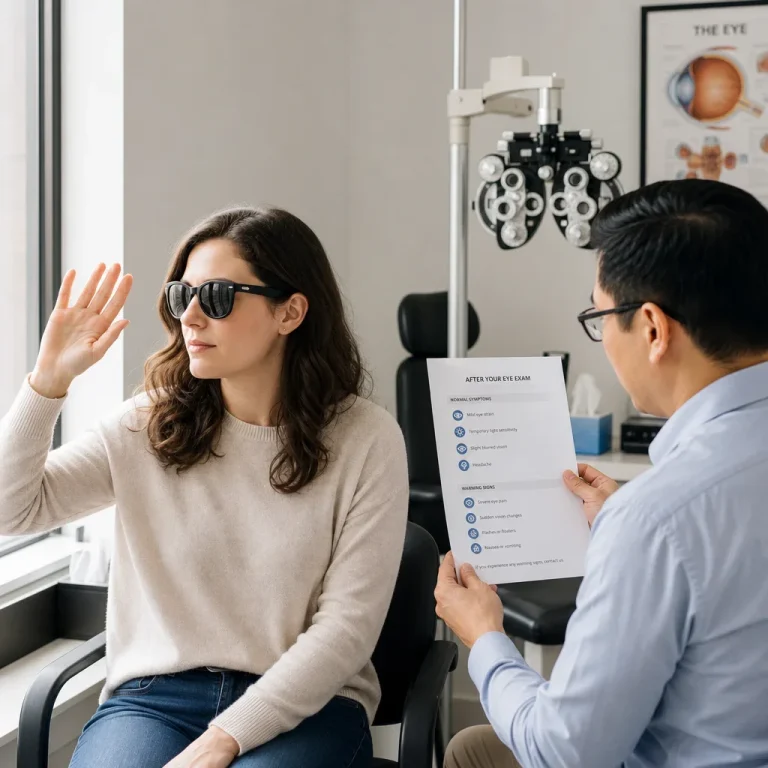
Most people think eye dilation side effects mean something went wrong. They usually do not. After a dilated eye exam, the common after effects of eye dilation are larger pupils, light sensitivity, blurry near vision, and glare that fade as the drops wear off, usually over 4–6 hours, though 4–24 hours can still be normal depending on the drop and the person.
Eye Dilation Side Effects at a Glance: What’s Normal vs What Needs Attention
Most dilated eye exam side effects are temporary and expected. The usual list is brief stinging when the drops go in, watering, enlarged pupils, light sensitivity after eye dilation, glare, and trouble focusing up close. Those symptoms generally improve gradually over 4–24 hours rather than all at once.
Symptoms that deserve faster attention are not subtle discomfort. Severe eye pain, sudden vision loss, halos around lights with pain, worsening headache with nausea or vomiting, major swelling, trouble breathing, or one pupil that stays very different from the other with other symptoms are not routine eye dilation drops side effects. Those need a call the same day or urgent care depending on severity.
> Normal after dilation: light sensitivity, larger pupils, blurry near vision, mild glare, mild watering, brief stinging. > Not typical, call us: symptoms that are getting worse, unusual swelling, ongoing nausea, one pupil staying much larger, symptoms lasting unusually long. > Seek urgent help: severe eye pain, sudden vision loss, halos with pain and nausea, trouble breathing, severe facial swelling.
Why Eye Doctors Dilate Your Eyes in the First Place
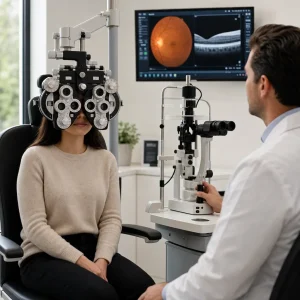
Dilation lets the optometrist examine the back of the eye more clearly. When the pupil opens wider, we can get a better view of the retina, macula, optic nerve, and retinal blood vessels during an eye exam in Waterloo or anywhere else. That matters when we are screening for retinal tears, diabetic eye disease, macular changes, and optic nerve changes that may relate to glaucoma.
The need for dilation is not the same at every visit. The optometrist decides based on age, symptoms, prescription changes, health history, diabetes, flashes or floaters, headaches, and what we find before dilation. Some patients ask if they can skip it because of work or driving, and that is a fair discussion, but the clinical value can be significant.
What Eye Dilation Drops Do and What They Feel Like
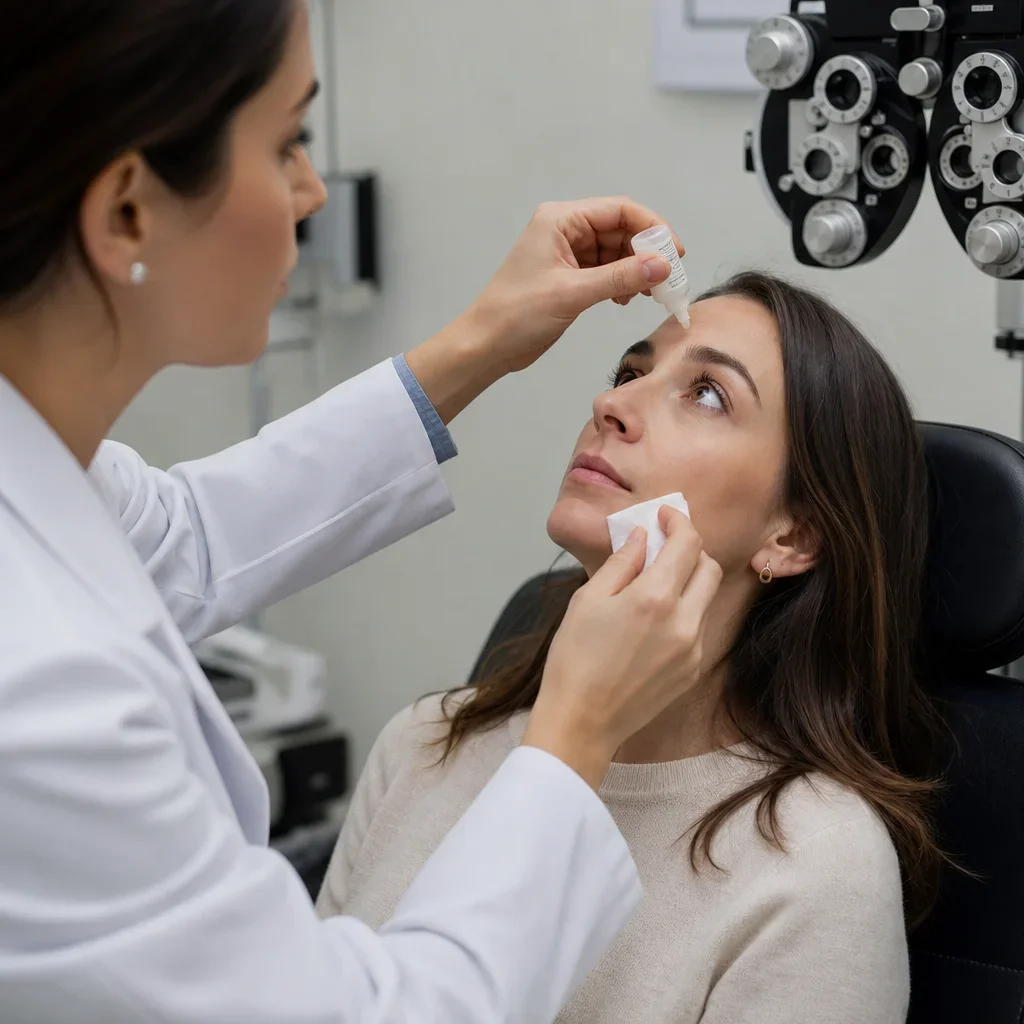
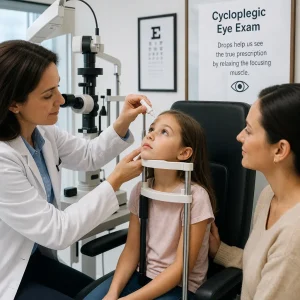
Dilating drops widen the pupil and can also relax the eye’s focusing system for a while. That is why reading, phone use, and other close work can feel blurrier than distance vision after the drops, especially when cycloplegia, or temporary focusing relaxation, is part of the effect.
The drops usually start working in about 15–30 minutes. Many people feel brief stinging for a few seconds, some watering, and occasionally a strange taste in the throat because tears can drain into the nasal passage. If tropicamide is used, tropicamide side effects commonly overlap with the general list above: light sensitivity, blur, and enlarged pupils, not long-term eye damage.
Common Side Effects After Eye Dilation
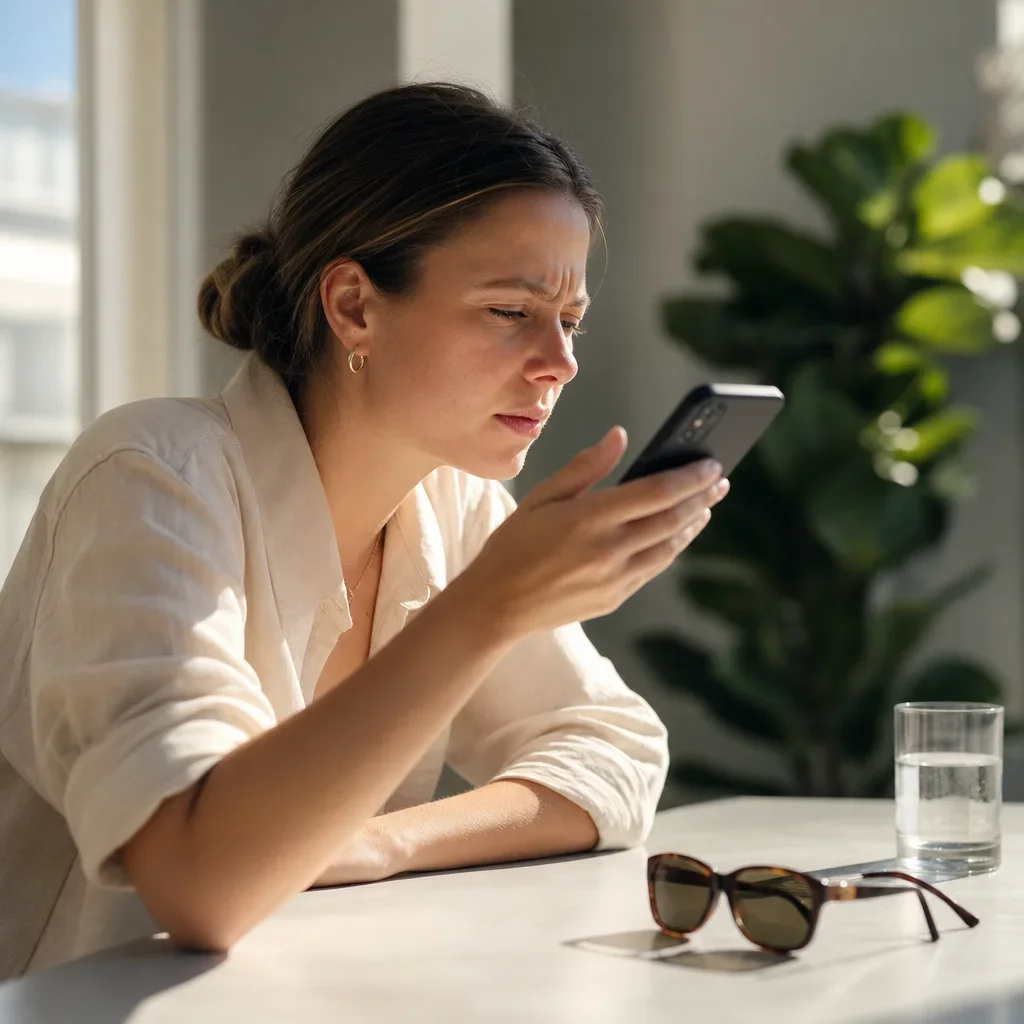
The common side effects of eye dilation are predictable and usually mild. Blurry near vision is the big one, because the eye does not focus up close as easily until the drops wear off. Light sensitivity happens because the enlarged pupil lets in more light. Glare can feel stronger outdoors, in winter sun, or when headlights reflect off wet roads in Waterloo.
Some people also notice mild headache, eye strain, or a general “off” feeling. That can happen when glare and blur combine, especially if you try to read through it. Dilated pupils eye exam side effects should steadily improve, not intensify, over the same day.
- Blurry near vision: trouble reading, texting, or computer work.
- Light sensitivity: bright outdoor light feels harsh.
- Glare: headlights, snow glare, and screens feel stronger.
- Enlarged pupils: the black centre of the eye looks larger.
- Brief stinging or watering: usually right after the drops.
- Mild headache or fatigue: more likely if you are light-sensitive or migraine-prone.
How Long Eye Dilation Side Effects Last
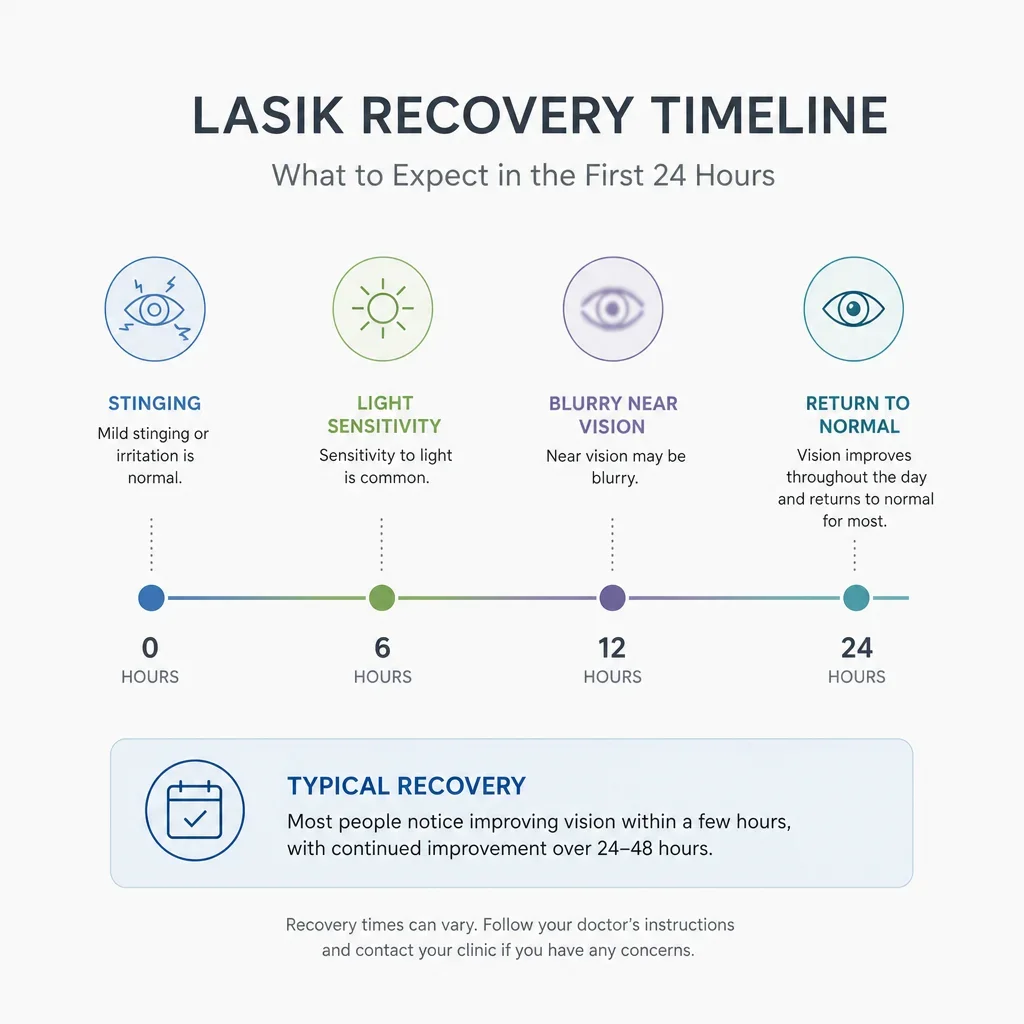
Most people feel close to normal again within 4–6 hours, but a realistic recovery range is 4–24 hours. The obvious pupil enlargement may fade first or last, and near focusing can sometimes stay off a bit longer than expected.
How long eye dilation lasts depends on the drop used, the strength of the drop, age, individual sensitivity, and sometimes iris colour. We would need to know exactly which drops were used to say more. Some people search “how long does tropicamide take to wear off” or “how long do eye dilation drops stay in your system,” and the honest answer is that routine office dilation is usually same day, but outliers do happen.
If your eyes are still very dilated after 24 hours, or your vision still feels unusually disrupted after a day or more, call the clinic that examined you. If one pupil stays larger than the other after the rest of the effects should have worn off, that also deserves a call.
| Symptom | What it feels like | Usual timeframe | When to call |
|---|---|---|---|
| Enlarged pupils | Pupils look bigger than normal | 4–24 hours | Still very large after 24 hours or very unequal |
| Blurry near vision | Reading and phone use are harder | 4–24 hours | Not improving by the next day |
| Light sensitivity | Sunlight and headlights feel harsh | 4–24 hours | Severe, worsening, or paired with pain |
| Mild headache | Achy, light-triggered discomfort | Same day, often a few hours | Worsening pain, nausea, halos, eye pain |
| Brief stinging | Short burn when drops go in | Seconds to minutes | Ongoing strong irritation or swelling |
Headache After Eye Dilation: Normal Light Sensitivity or Something More Serious?
A mild eye dilation headache can be normal. The usual cause is glare, light sensitivity, and temporary focusing strain, not damage to the eye. Headache after eye dilation drops often feels worse in bright light and better in a dim room with rest and less close work.
A more concerning headache has other features. Severe eye pain, halos around lights, worsening nausea after eye dilation, vomiting, sudden blur, or rapidly increasing pain are not typical headache after eye dilation patterns. Those symptoms need prompt assessment because a pressure-related problem is rare but important to rule out.
Migraine-prone patients can also feel worse after dilation. We see that from time to time in practice. The trigger is often light and visual strain rather than the drops alone. If your usual migraine pattern starts after dilation, follow your clinician-approved routine, rest in a dim room, and call if the symptoms feel different from your normal pattern.
Nausea, Dizziness, Feeling Weird, or Tired After Dilation
Feeling weird after eye dilation can happen, and it is usually related to glare, blur, anxiety, skipped meals, or a headache response. Nausea after eye dilation is not the most common complaint, but it can happen when your eyes feel overstimulated and your visual system is not comfortable.
Mild symptoms often settle with simple steps. Sit somewhere dim, wear sunglasses, drink water, eat a light snack if you have not eaten, and avoid driving. If the nausea is building, you feel faint, or eye dilation side effects nausea comes with severe pain, halos, vomiting, or major vision changes, do not just wait it out. Call the clinic or seek urgent care based on severity.
Some people also feel tired after dilation. That is usually not a direct toxic effect. It is more often the result of light avoidance, headache, stress, or a visually tiring exam day.
Light Sensitivity and Blurry Vision After Dilation

Light sensitivity after eye dilation is expected because the pupil stays larger and lets in more light. That makes sunlight, snow glare, bright stores, and headlights feel stronger until the drops wear off.
The discomfort is real, but routine short-term light exposure after dilation is usually uncomfortable rather than harmful. Sunglasses outdoors help, and reducing bright indoor glare helps too. We often tell patients to bring sunglasses with them for exactly that reason.
Screens, reading, and phone use are not dangerous after dilation, but they may be frustrating. If symptoms are mild, short periods of work may be manageable. If close work is triggering blur, headache, or nausea, pause and come back to it later.
What Not to Do After Eye Dilation
Do not assume a fixed number of hours means you are safe to drive. Vision quality, glare tolerance, and comfort matter more than the clock, and some people are not safe to drive even 2 hours after eye dilation.
Do not head into bright sunlight without sunglasses. That is when dilated pupils eye exam side effects feel strongest. Do not force through reading, laptop work, or detailed close tasks if they are clearly making the headache or nausea worse.
Do not put contact lenses back in right away if your eyes still feel irritated from the drops. Contact lens timing depends on the exam, the drops used, and how the eye surface feels, so we tell patients to follow the specific instructions from the clinic that examined them.
Can You Drive, Walk Home, Work, Exercise, or Wear Contacts After Dilation?
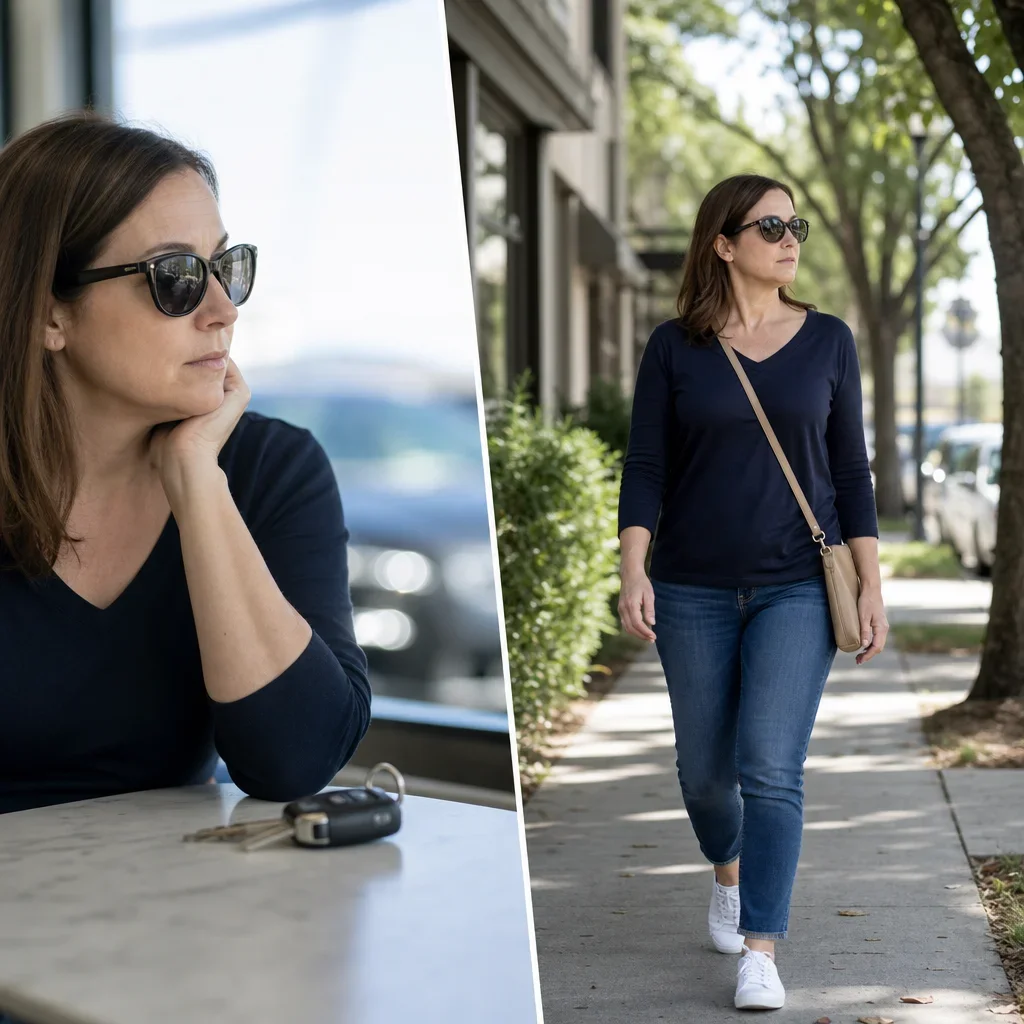
Driving after dilation is a safety decision, not a timing rule. Some people feel functional later the same day, while others still have too much glare and blur to drive comfortably for several hours. A conservative range for disruption is 4–24 hours. If you already know you are sensitive to dilation, arrange a ride.
Walking home can be fine if your balance feels normal and the route is short, familiar, and safe. The problem is usually not walking itself. It is bright light and visual discomfort. On a sunny day, especially with winter glare, sunglasses make a big difference.
Work and screens are often possible in short stretches if symptoms are mild. Reading fine print is usually the hardest task because accommodation, or close focusing, is temporarily reduced. Gentle activity is usually fine if you feel steady, but anything that feels unsafe with blurry vision should wait.
Contact lenses are a clinic-specific call. If the eye surface is irritated, we usually want patients to let the eyes settle first. If you wear lenses day to day, ask before you leave so you know when to reinsert them.
Rare Side Effects and Serious Risks of Eye Dilation
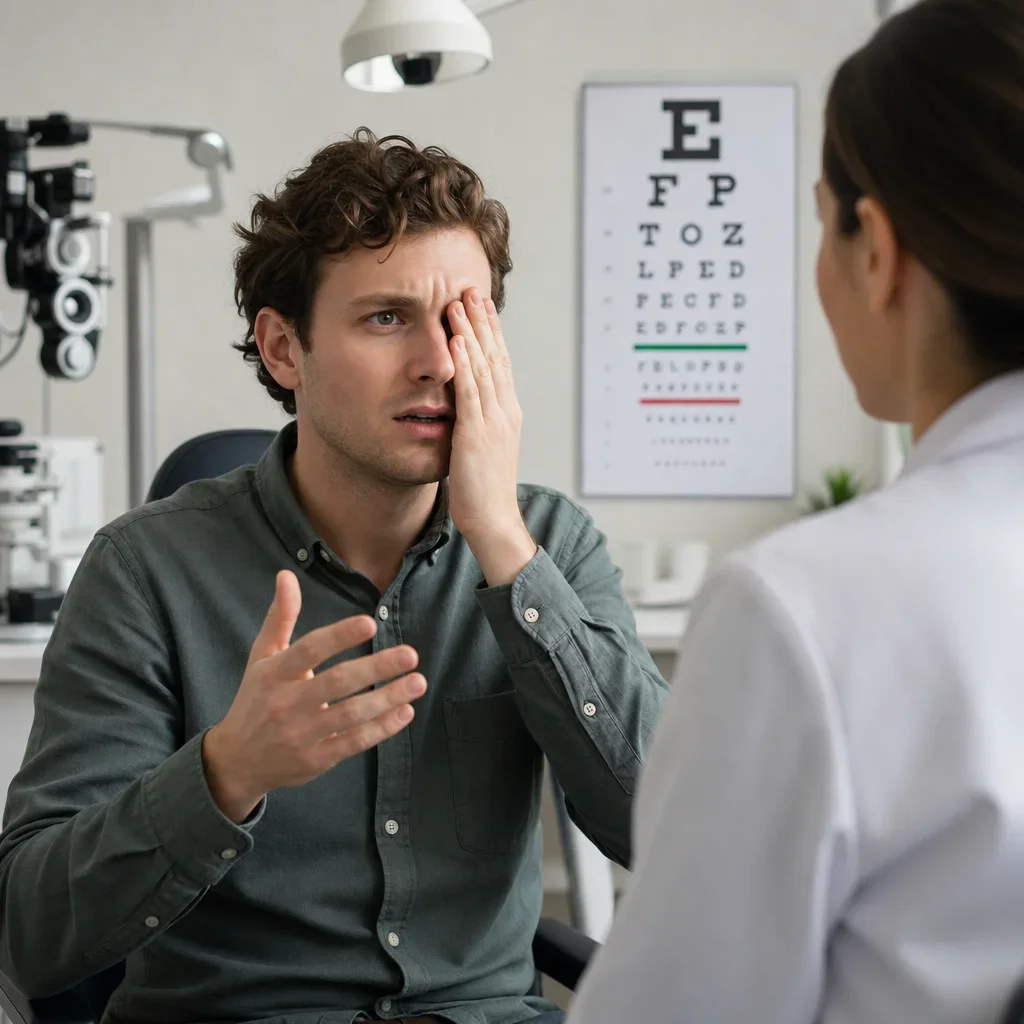
Eye dilation is generally safe, but it is not risk-free. Rare eye dilation complications can include an allergic or medication sensitivity reaction, unusually prolonged dilation, and in susceptible eyes, a pressure-related problem that needs urgent care.
The serious symptom cluster matters more than any one symptom by itself. Severe eye pain, halos around lights, sudden blurred vision, nausea or vomiting, and a rapidly worsening headache are not the normal dangers of eye dilation people read about online. They are reasons to call right away or go for urgent assessment.
One pupil staying larger than the other after the exam can sometimes just reflect uneven drop effect, but persistent unequal pupils need attention, especially if they come with pain, drooping eyelid, double vision, weakness, or sudden vision changes. When to worry about dilated pupils is simple: worry when the pattern is getting worse, lasting unusually long, or coming with neurologic or severe eye symptoms.
Allergic Reaction to Eye Dilation Drops: Signs, Severity, and What to Do
An allergic reaction to eye dilation is uncommon, but it can happen. Mild signs include unusual redness, eyelid swelling, itchiness, rash around the eyes, or irritation that is stronger and longer than expected.
A severe adverse reaction to eye dilation is different. Facial swelling, wheezing, trouble breathing, widespread rash, faintness, or severe vomiting need emergency care. A bad reaction to eye dilation should not be self-treated at home if breathing or major swelling is involved.
If you have had a past allergic reaction to eye dilation or any eye drops, tell the optometrist before your next exam. That history affects drop choice and monitoring. We always want to know about prior drop reactions, medication allergies, and strong migraine responses before we instill anything.
When to Monitor at Home, When to Call the Eye Doctor, and When to Go to Emergency Care
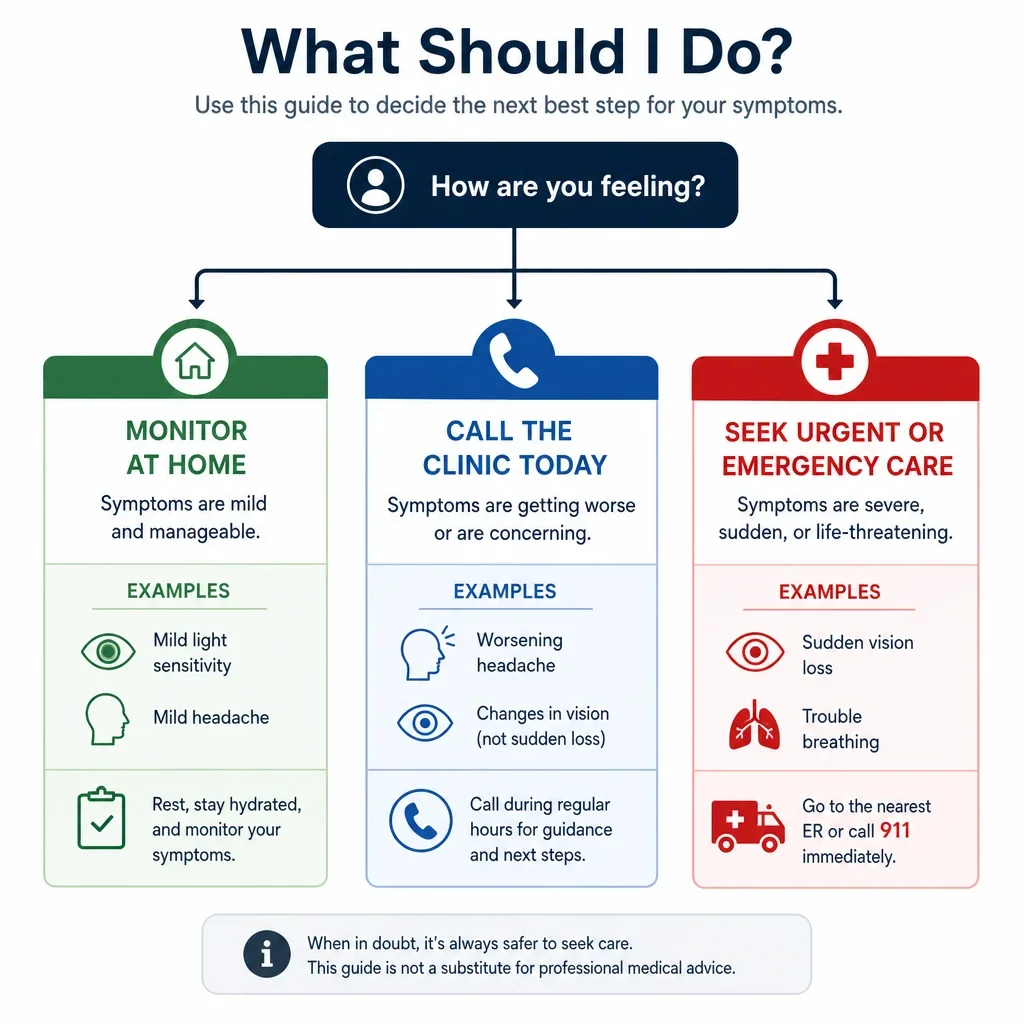
Most people can monitor at home, but the line changes once symptoms are strong, unusual, or not improving. A simple decision tree helps more than guessing.
| Monitor at home | Call the clinic today | Seek urgent or emergency care |
|---|---|---|
| Light sensitivity improving over hours | Symptoms lasting beyond expected recovery | Severe eye pain |
| Mild blurry near vision | One pupil still much larger later | Sudden vision loss |
| Mild headache easing in dim light | Worsening headache after eye dilation | Halos around lights with pain or nausea |
| Glare that improves with sunglasses | Ongoing nausea after eye dilation | Trouble breathing or severe facial swelling |
| Brief stinging that passed | Unusual swelling or rash near the eyes | Fainting, severe vomiting, stroke-like symptoms |
If you are in Waterloo or Kitchener and unsure whether your symptoms fit the middle column or the emergency column, call the examining clinic first if you can reach them quickly. If there is severe pain, sudden vision loss, breathing trouble, or neurologic symptoms, skip the phone call and get urgent help.
Who May Need Extra Caution Before Dilation
Most patients can be dilated safely, but some need a more careful discussion first. That includes people with a history of a bad reaction to eye dilation, strong migraine sensitivity, certain pressure-related eye anatomy concerns, medication allergies, or major transportation issues after the exam.
Pregnancy, breastfeeding, and complex medical histories are also worth raising before any drops are used. That does not mean dilation cannot be done. It means the optometrist should weigh the reason for dilation, the drop choice, and the timing carefully.
The safest approach is simple. Tell us before the exam if you have had severe headache after eye dilation drops, nausea, prior swelling, panic with bright light, or trouble getting home afterward.
Can You Refuse Eye Dilation? Pros, Cons, and Alternatives
You can ask to decline dilation, but that does not make it the best choice for every exam. Patients can refuse eye dilation, and informed refusal is a real part of care, but the trade-off is less direct view of important structures inside the eye.
People refuse for practical reasons more than medical ones. Driving concerns, work disruption, childcare, light sensitivity, and a previous rough experience are common reasons. We hear this often with UW students during exam-heavy weeks and with parents trying to fit an eye exam between school pickups.
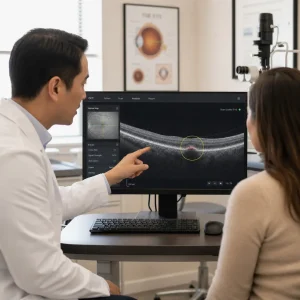
There may be alternatives or adjuncts in some clinics, such as retinal imaging or OCT, but they are not universal replacements for dilation in every case. The optometrist decides whether an image-based approach is enough that day or whether dilation is still the safer choice clinically.
How to Prepare for a Dilated Eye Exam and Feel Better Afterward
Preparation makes dilation easier. Bring sunglasses, avoid scheduling important driving right after the exam, and tell the front desk and optometrist if you had a past reaction, migraine, or trouble functioning after previous drops.
After the exam, comfort is the goal because there is usually no instant way to make eye dilation go away faster. Wear sunglasses, rest your eyes, dim screens, hydrate, eat if you feel off, and avoid pushing through close-up work that is clearly making things worse.
If your symptoms feel stronger than expected, do not keep searching for home fixes online. Call the clinic that dilated you. In a family-run practice like ours, that is one advantage of having the exam, frame fitting, and lab under one roof. You can reach the same team that saw you.
Frequently Asked Questions About Eye Dilation Side Effects
What are the side effects of eye dilation?
The common side effects are larger pupils, blurry near vision, light sensitivity, glare, mild watering, and brief stinging when the drops go in. Mild headache can happen too.
How long do eye dilation side effects last?
Most improve in 4–6 hours, but 4–24 hours is still a normal range for some people. If symptoms are unusually strong or still clearly present the next day, call the clinic.
Is it normal to get a headache after eye dilation?
Yes, a mild headache can happen from glare and focusing strain. Severe pain, halos, vomiting, or sudden blur are not typical and need prompt assessment.
Can eye dilation make you feel sick?
It can. Nausea after eye dilation may come from glare, headache, anxiety, skipped meals, or migraine sensitivity. Severe nausea with eye pain or halos is more concerning.
What not to do after eye dilation?
Do not drive unless your vision feels fully safe. Do not go into bright sun without sunglasses. Do not force close work if it is clearly worsening symptoms.
Can I drive 2 hours after eye dilation?
Maybe, maybe not. Time alone is not enough. Your actual vision, glare tolerance, and comfort decide it, and many people still should not drive at that point.
Can you have an allergic reaction to dilating eye drops?
Yes, but it is uncommon. Mild swelling or rash should prompt a same-day call. Trouble breathing, wheezing, or major swelling need emergency care.
What are the rare side effects of eye dilation?
Rare eye dilation risks include allergic reactions, prolonged dilation, and pressure-related complications in susceptible eyes. Severe pain and sudden vision changes are never routine.
When should you worry about eye dilation?
Worry when symptoms are severe, worsening, or lasting unusually long. Severe eye pain, halos, sudden vision loss, breathing trouble, or severe swelling need urgent help.
How long does tropicamide take to wear off?
A common same-day range is several hours, often within 4–8 hours, but some people can feel effects longer. We would need to know the exact drop plan to say more confidently.
Can I decline eye dilation?
You can discuss declining it, yes. The optometrist should explain what may be missed and whether imaging or follow-up could be considered instead.
What can be done instead of dilating eyes?
Sometimes retinal imaging or OCT can add useful information, but they are not always full substitutes. The best option depends on why the back of the eye needs to be assessed.
Can light damage your eyes after dilation?
Routine short-term light exposure after dilation is usually uncomfortable, not damaging. Sunglasses reduce the discomfort while the pupils are still enlarged.
Can you wear contacts after eye dilation?
Sometimes, but not always right away. Wait until irritation settles and follow the instructions from the clinic that examined you.
What should I do if one pupil stays dilated longer than the other?
Call the clinic that did the exam, especially if the difference is obvious after the other effects should have worn off or if you also have pain, drooping, double vision, or blur.
If you are not sure whether your symptoms after dilation are normal, call us. If you need an eye exam in Waterloo and want everything handled in one visit, we can examine, explain what to expect, and help you plan around dilation when it makes sense.