Understanding the differences between optometrists and ophthalmologists is crucial for anyone seeking eye care. These two types of eye care professionals play distinct roles in maintaining and improving vision health. This guide will clarify their differences, qualifications, and the services they provide, helping you make informed decisions about your eye care needs. Many individuals may not know when to consult an optometrist versus an ophthalmologist, which can lead to delays in treatment. This article will explore the key distinctions, qualifications, and the specific eye conditions each professional treats. Additionally, we will discuss what to expect during eye exams at Premier Optical Boutique, a family-run optical boutique in Waterloo, Ontario, that offers comprehensive eye care services and stylish eyewear.
What Are the Key Differences Between Optometrists and Ophthalmologists?
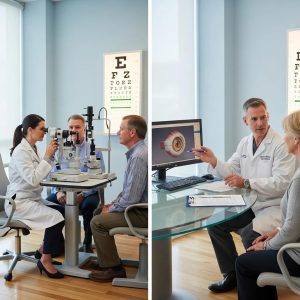
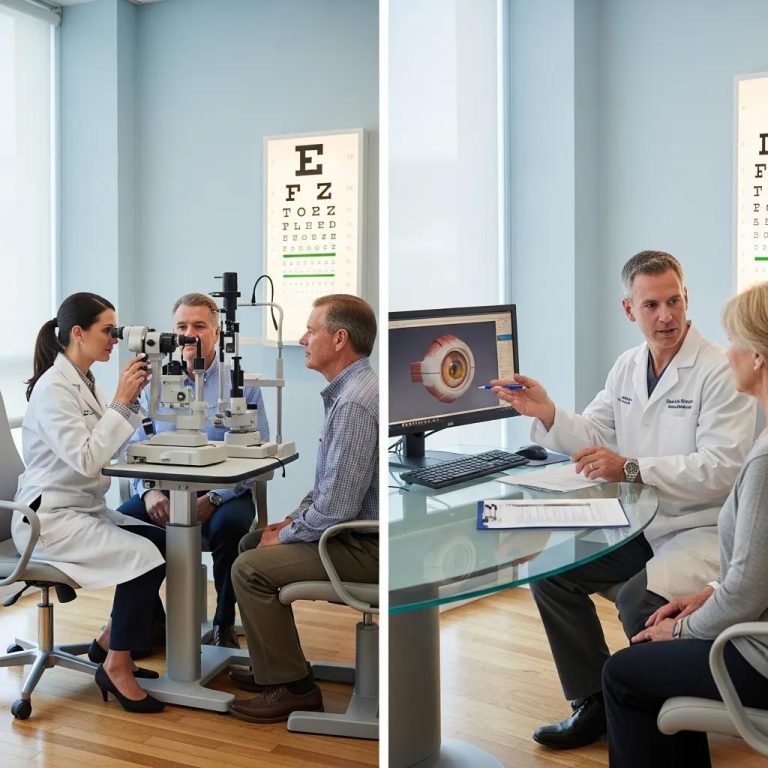
Optometrists and ophthalmologists serve different functions within the eye care spectrum. An optometrist is a healthcare professional who provides primary vision care, including eye exams, vision tests, and the diagnosis and management of certain eye conditions. In contrast, an ophthalmologist is a medical doctor specializing in eye and vision care, capable of performing eye surgeries and treating complex eye diseases. Understanding these differences is essential for patients to choose the right professional based on their specific needs.
Further research indicates that the expansion of optometrists’ scope of practice can significantly influence patient access to ophthalmologists.
Optometrist Scope Expansion & Ophthalmologist Access
access to ophthalmologists in states with expanded scope of practice for optometrists.
Access to ophthalmologists in states where optometrists have expanded scope of practice, JL Tootoo, 2018
What Qualifications and Training Distinguish Optometrists from Ophthalmologists?
The qualifications and training of optometrists and ophthalmologists differ significantly. Optometrists typically hold a Doctor of Optometry (OD) degree, which requires four years of optometry school after completing an undergraduate degree. In contrast, ophthalmologists complete medical school followed by a residency in ophthalmology, which can take an additional four to five years. This extensive training allows ophthalmologists to perform surgeries and manage more complex eye conditions, while optometrists focus on routine eye care and vision correction.
Which Eye Care Services Does Each Professional Provide?
Both optometrists and ophthalmologists offer a range of eye care services, but their scopes differ. Optometrists provide:
- Routine Eye Exams: Comprehensive assessments of vision and eye health.
- Vision Correction: Prescription of glasses and contact lenses.
- Management of Common Eye Conditions: Such as dry eye and allergies.
Ophthalmologists, on the other hand, offer:
- Surgical Procedures: Such as cataract surgery and laser eye surgery.
- Treatment of Eye Diseases: Including glaucoma and macular degeneration.
- Advanced Medical Care: For complex conditions requiring specialized knowledge.
Indeed, the evolving demands in ophthalmic services have led to optometrists increasingly taking on extended clinical practices within hospital eye services, roles traditionally performed by ophthalmologists.
Optometrist Scope Expansion in Hospital Eye Service
The role of the optometrist in the Hospital Eye Service (HES) has undergone significant development in recent years to include extended areas of clinical practice more traditionally undertaken by ophthalmologists, commensurate with a growing demand for increased capacity in ophthalmic services.
Scope of practice of optometrists working in the UK Hospital Eye Service: a national survey, R Harper, 2016
When Should You See an Optometrist or an Ophthalmologist?
Knowing when to consult an optometrist or an ophthalmologist can significantly impact your eye health. Routine check-ups and vision corrections should be handled by an optometrist. However, if you experience complex eye conditions, such as sudden vision loss, severe eye pain, or require surgical intervention, it is essential to see an ophthalmologist. Understanding these guidelines can help you navigate your eye care journey effectively.
Which Eye Conditions Are Treated by Optometrists?
Optometrists are equipped to treat a variety of common eye conditions. They can manage:
- Refractive Errors: Such as nearsightedness, farsightedness, and astigmatism.
- Dry Eye Syndrome: Providing treatments to alleviate symptoms.
- Allergic Reactions: Addressing eye allergies with appropriate medications.
By focusing on these conditions, optometrists play a vital role in maintaining overall eye health and ensuring patients have the correct vision correction.
What Medical Treatments and Surgeries Do Ophthalmologists Perform?
Ophthalmologists are trained to perform a wide range of medical treatments and surgeries. They can conduct:
- Cataract Surgery: A common procedure to remove cloudy lenses.
- Laser Eye Surgery: Such as LASIK, to correct refractive errors.
- Management of Eye Diseases: Including advanced treatments for glaucoma and diabetic retinopathy.
Their extensive training allows them to handle complex cases that require surgical intervention or specialized medical care.
What to Expect During Different Types of Eye Exams at Premier Optical Boutique
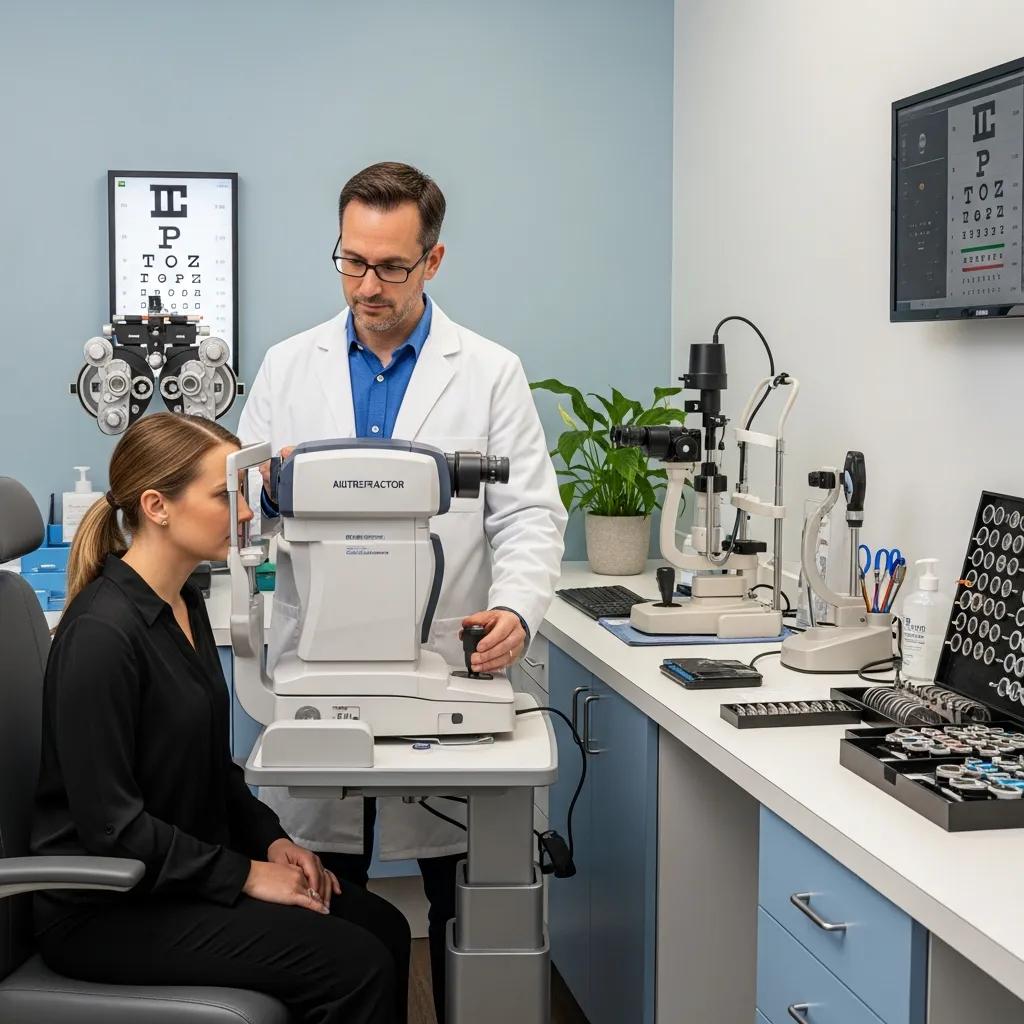
At Premier Optical Boutique, patients can expect a thorough and personalized eye exam experience. The process typically includes:
- Visual Acuity Test: Assessing how well you see at various distances.
- Refraction Assessment: Determining the correct prescription for glasses or contacts.
- Eye Health Evaluation: Checking for signs of eye diseases and overall health.
This comprehensive approach ensures that all aspects of your vision and eye health are addressed.
How Do Optometrists Conduct Comprehensive Eye Exams?
Optometrists conduct comprehensive eye exams through a series of steps designed to evaluate both vision and eye health. Initially, they gather patient history and conduct a consultation to understand any specific concerns. Following this, they perform a visual acuity test to measure how well the patient can see at different distances. Finally, an eye health evaluation is conducted, which may include dilation to examine the retina and optic nerve. This thorough process helps in diagnosing any potential issues early on.
What Are the Benefits of Regular Vision Tests for Eye Health?
Regular vision tests are essential for maintaining eye health and preventing serious conditions. The benefits include:
- Early Detection of Eye Diseases: Conditions like glaucoma and macular degeneration can be identified before they cause significant damage.
- Preventive Care: Regular exams help in managing existing conditions and preventing deterioration.
- Monitoring Overall Health: Eye exams can reveal signs of systemic health issues, such as diabetes and hypertension.
These benefits highlight the importance of scheduling routine eye exams to ensure long-term eye health.
How Does Premier Optical Boutique Combine Expert Eye Care with Designer Eyewear?
Premier Optical Boutique stands out by integrating expert eye care with a stylish selection of designer eyewear. Patients receive comprehensive eye exams tailored to their needs, followed by personalized consultations to select the perfect eyewear. This unique combination ensures that patients not only receive top-notch eye care but also leave with fashionable frames that suit their style.
What Designer Eyewear Brands and Styles Are Available?
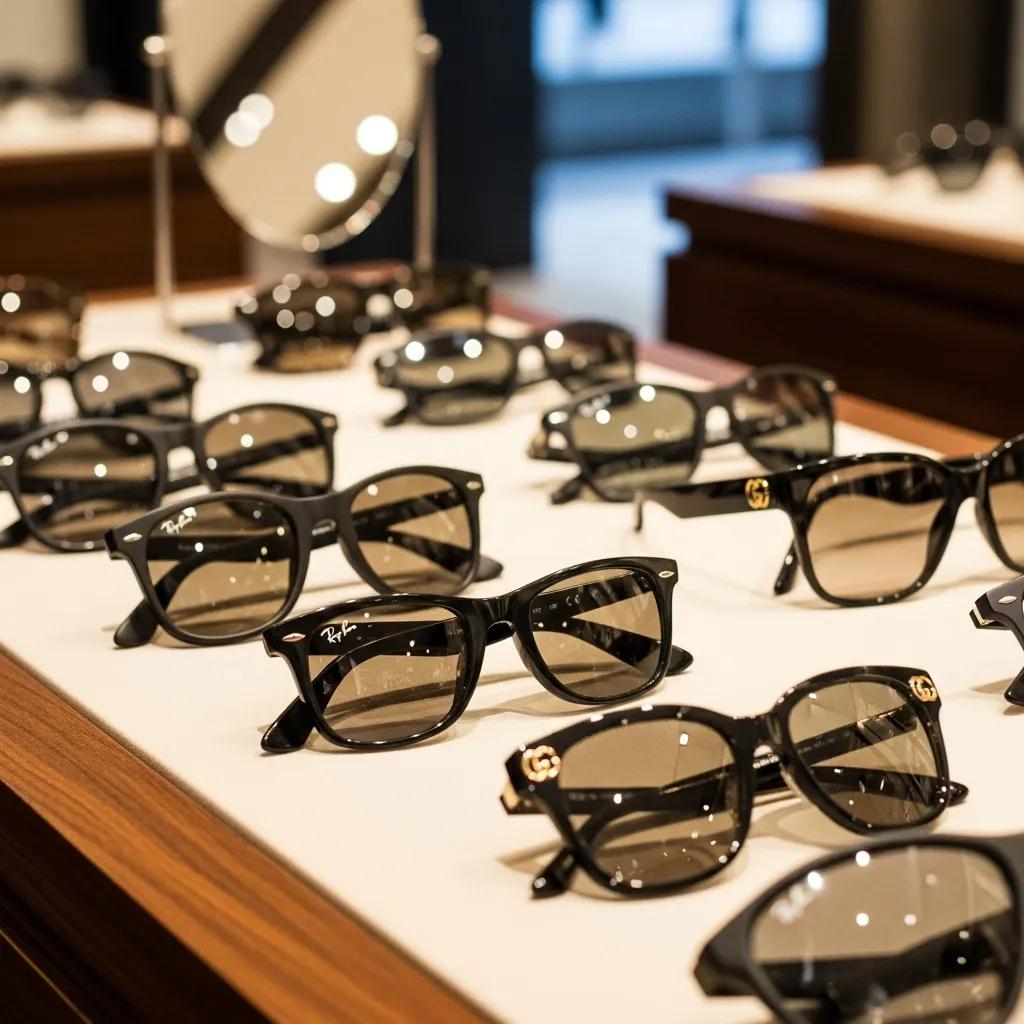
At Premier Optical Boutique, a variety of designer eyewear brands and styles are available to cater to diverse tastes. Some of the brands include:
- Ray-Ban: Known for its classic and trendy styles.
- Gucci: Offering high-fashion frames that make a statement.
- Oakley: Perfect for those seeking sporty and functional eyewear.
This extensive selection allows customers to find eyewear that fits both their vision needs and personal style.
How Do Warranty and Free Adjustment Services Enhance Customer Experience?
Premier Optical Boutique enhances customer experience through warranty and free adjustment services. These offerings provide:
- Peace of Mind: Customers can feel secure knowing their investment is protected.
- Ongoing Support: Adjustments ensure that eyewear remains comfortable and functional over time.
- Customer Satisfaction: These services contribute to a positive shopping experience, fostering loyalty and trust.
By prioritizing customer care, Premier Optical Boutique ensures that clients receive the best possible service.
Which Lifestyle Eyewear Solutions Help with Computer and Reading Glasses Needs?
Lifestyle eyewear solutions are essential for individuals who spend significant time on computers or reading. Options include:
- Computer Glasses: Designed to reduce digital eye strain and enhance comfort during screen use.
- Reading Glasses: Tailored to assist with close-up tasks, ensuring clear vision for reading and other activities.
- Bifocal and Progressive Lenses: Offering seamless transitions between different vision zones for multifocal needs.
These solutions cater to the specific demands of modern lifestyles, ensuring optimal vision and comfort.
How Do Computer Glasses Reduce Digital Eye Strain?
Computer glasses are specifically designed to alleviate digital eye strain, a common issue for those who spend long hours in front of screens. They work by:
- Filtering Blue Light: Reducing exposure to harmful blue light emitted by screens.
- Enhancing Contrast: Improving clarity and reducing glare, making it easier to focus.
- Providing Optimal Lens Power: Tailored prescriptions help reduce eye fatigue during prolonged use.
These features make computer glasses an essential tool for maintaining eye comfort in a digital world.
What Reading Glasses Options Support Comfortable Vision?
Reading glasses come in various options to support comfortable vision for close-up tasks. These include:
- Standard Reading Glasses: Basic lenses designed for general reading needs.
- Blue Light Filter Glasses: Protect against blue light while reading on digital devices.
- Progressive Lenses: Allow for clear vision at multiple distances without the need for multiple pairs of glasses.
These options ensure that individuals can find the right solution for their reading needs, enhancing their overall visual experience.
For those seeking stylish options, eye glasses are available to suit every taste and need.