Experiencing dizziness when wearing new glasses is a common issue that many individuals face. This phenomenon can stem from various factors, including prescription changes, lens types, and the adjustment period. Understanding the underlying causes of dizziness can help individuals find effective solutions to enhance their visual comfort. In this article, we will explore the reasons behind dizziness when wearing new glasses, the typical adjustment timeline, and practical tips to alleviate discomfort. Additionally, we will discuss the importance of professional eye exams and how designer eyewear can improve comfort and reduce dizziness.
What Causes Dizziness When Wearing New Glasses?
Dizziness when wearing new glasses can be attributed to several factors, primarily related to the adjustment period and changes in prescription. When individuals switch to new eyewear, their eyes and brain must adapt to the new visual input, which can lead to temporary discomfort. This adjustment process is crucial for achieving optimal vision and comfort.
How Does an Incorrect Prescription Lead to Glasses Dizziness Symptoms?
An incorrect prescription can significantly contribute to dizziness and other symptoms such as eye strain and disorientation. When the lenses do not match the individual’s visual needs, the brain struggles to process the visual information correctly. This mismatch can create a distortion effect, where the surroundings appear altered, leading to feelings of dizziness and nausea. Ensuring that the prescription is accurate is essential for a comfortable wearing experience.
What Role Do Lens Types and Prism Lenses Play in Dizziness?
Different lens types can also impact how individuals perceive their environment, potentially causing dizziness. For instance, progressive lenses, which offer multiple vision zones, may require a period of adjustment as the wearer learns to navigate the different focal areas. Additionally, prism lenses are designed to correct specific vision issues, but if not properly aligned, they can lead to double vision or depth perception problems and dizziness. Understanding the role of lens types is vital for selecting the right eyewear.
How Long Does It Take to Adjust to New Glasses?
The adjustment period for new glasses varies among individuals, but it typically takes a few days to a few weeks. During this time, the brain and eyes work together to adapt to the new lenses and prescription.
Indeed, understanding the nuances of this adaptation process is crucial for a comfortable experience, as highlighted by research on patient experiences.
Adapting to New Glasses: Symptoms & Support
It is well known that some patients experience difficulties adapting to new glasses. Patients should receive significantly more information about adaptation, including symptoms that may be experienced and why these happen, practical tips to aid adaptation, and when and how to raise concerns.
What are patients’ beliefs about, and experiences of, adaptation to glasses and how does this affect their wearing habits?, F Fylan, 2021
What Is the Typical Adaptation Timeline for New Prescription Glasses?
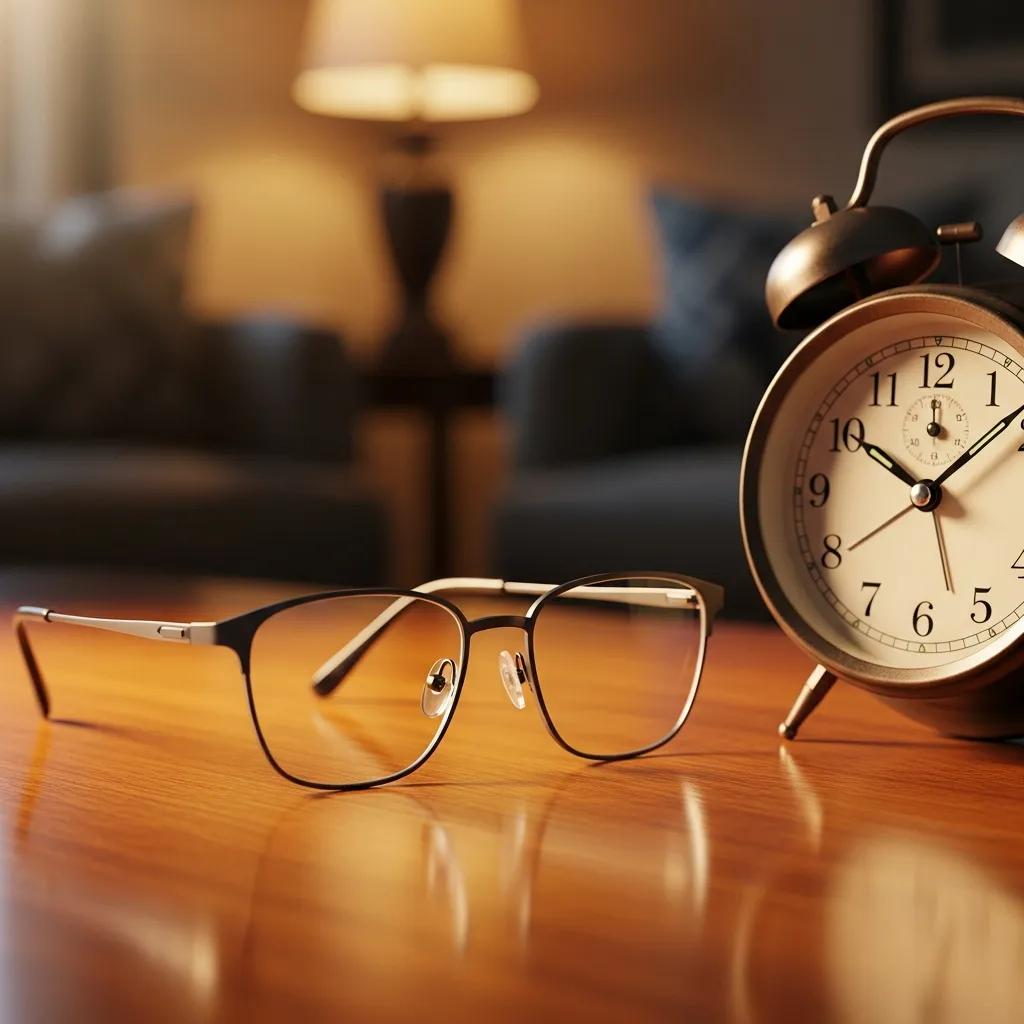
Generally, most people can expect to adjust to new prescription glasses within 1 to 2 weeks. However, some individuals may experience a longer adaptation period, especially if they have made significant changes to their prescription or are using specialized lenses. It is essential to be patient during this time and allow the eyes to acclimate to the new visual experience.
Which Factors Influence the Adjustment Period for New Glasses?
Several factors can influence how quickly one adjusts to new glasses. These include the type of lenses used, the fit of the frames, and individual sensitivity to changes in vision. For example, individuals who switch to progressive lenses may require more time to adapt compared to those using single-vision lenses. Additionally, a proper frame fit is crucial; if the glasses do not sit correctly on the face, it can exacerbate feelings of discomfort and dizziness.
How Can I Stop Dizziness Caused by New Glasses?
If you are experiencing dizziness from new glasses, there are several strategies you can employ to alleviate discomfort. These tips can help ease the adjustment process and improve your overall experience with your new eyewear.
- Give It Time: Allow your eyes and brain to adjust to the new lenses. It may take a few days for your vision to stabilize.
- Follow the 20-20-20 Rule: To reduce eye strain, take breaks every 20 minutes by looking at something 20 feet away for at least 20 seconds.
- Check Fit and Adjustments: Ensure that your glasses fit properly. If they feel uncomfortable or cause pressure points, visit your optician for adjustments.
For those seeking personalized assistance, Premier Optical Boutique offers comprehensive eye care services, including in-person exams and precise lens crafting, to ensure your eyewear meets your specific needs.
What Are Effective Tips to Relieve Eye Strain and Dizziness?
To further alleviate eye strain and dizziness, consider the following tips:
- Proper Lighting: Ensure that your environment is well-lit to reduce strain on your eyes.
- Regular Breaks: Take frequent breaks from screens and close-up tasks to give your eyes a rest.
- Stay Hydrated: Dehydration can contribute to eye strain, so drink plenty of water throughout the day.
When Should I Seek Professional Help for Glasses-Related Dizziness?
If dizziness persists despite following these tips, it may be time to consult an optometrist. Seek professional help if you experience:
- Persistent Dizziness: If dizziness continues beyond the adjustment period, it may indicate an underlying issue.
- Visual Distortions: Any significant changes in vision or persistent visual distortions should be evaluated.
- Other Concerning Symptoms: Headaches, nausea, or other symptoms accompanying dizziness warrant a professional assessment.

Why Are Professional Eye Exams Important for Preventing Dizziness?
Regular eye exams are essential for maintaining overall eye health and preventing issues that can lead to dizziness. Comprehensive eye exams can identify underlying vision problems that may contribute to discomfort.
How Do Comprehensive Eye Exams Diagnose Vision Problems Causing Dizziness?
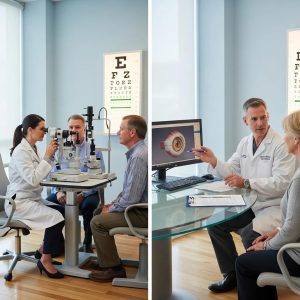
During a comprehensive eye exam, an optometrist will conduct various tests to assess your vision and eye health. These tests can help identify conditions such as astigmatism, presbyopia, or other refractive errors that may cause dizziness when wearing glasses. Early detection of these issues allows for timely intervention and correction.
What Benefits Do Fast Eyeglass Fitting and Precise Lens Crafting Provide?
At Premier Optical Boutique, we prioritize quick and accurate eyeglass fittings, ensuring that your lenses are crafted to meet your specific vision needs. The benefits of precise lens crafting include:
- Quick Turnaround: Receive your glasses promptly without compromising quality.
- Personalized Fittings: Enjoy a comfortable fit tailored to your unique facial structure.
- Quality Assurance: Our commitment to quality ensures that your lenses are made to the highest standards.
What Designer Eyewear Options Enhance Comfort and Reduce Dizziness?
Choosing the right designer eyewear can significantly enhance comfort and reduce dizziness. Various options are available that cater to different visual needs and preferences.
How Do Designer Frames and Lens Types Improve Wearing Experience?
Designer frames not only offer style but also improve comfort through better fit and materials. High-quality lenses, such as anti-glare and blue light filter options, can further enhance the wearing experience by reducing eye strain and improving visual clarity. Selecting the right combination of frames and lenses is crucial for optimal comfort.
What Warranty and Free Adjustment Services Support Comfortable Use?
When investing in designer eyewear, consider options that come with warranties and free adjustment services. These services can provide peace of mind and ensure that your glasses remain comfortable over time. Premier Optical Boutique offers complimentary adjustments to help you maintain the perfect fit.
How Do Specialized Glasses Help with Comfort and Dizziness?
Specialized glasses, such as computer and reading glasses, can provide targeted relief for specific visual tasks, helping to alleviate discomfort and dizziness.
What Are the Benefits of Computer and Reading Glasses for Eye Strain Relief?
Computer glasses are designed to reduce glare and enhance visual comfort during prolonged screen use. They often feature blue light filtering technology, which can help minimize eye strain and fatigue. Reading glasses, on the other hand, provide the necessary magnification for close-up tasks, reducing the strain on your eyes.
How Do Customized Glasses Address Specific Vision Needs?
Customized glasses can be tailored to meet individual vision needs, ensuring optimal comfort and clarity. Options such as specialized lens coatings, personalized prescriptions, and frame adjustments can significantly enhance the wearing experience. Consulting with an optometrist can help determine the best options for your specific requirements.