Dry eyes make wearing contacts uncomfortable — and that’s a common reason people stop using them. This guide walks you through why dry eyes happen, how they affect contact lens wear, and which lens types and care habits usually bring the most relief. We’ll cover practical choices and simple steps you can take to keep your eyes comfortable and your vision sharp.
What Causes Dry Eyes and Why It Matters for Contact Lens Wear
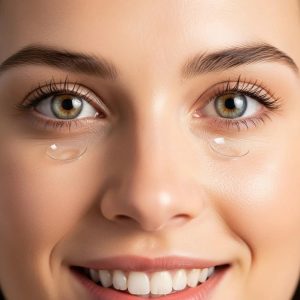
Dry eyes happen when your tear film is insufficient or evaporates too quickly. That can lead to burning, redness, a gritty feeling, and sometimes blurry vision — all of which make contact lenses feel worse. Knowing what’s behind your dry eye helps you pick lenses and care routines that actually work.
What Dry Eye Syndrome Looks and Feels Like
Dry eye syndrome means your eye surface isn’t getting enough consistent lubrication. Typical signs are stinging or burning, a sensation like something is in your eye, and light sensitivity. If left untreated, dryness can cause inflammation and surface damage, so it’s important to address symptoms early — especially if you wear contacts.
How Dry Eyes Change Comfort and Vision with Contacts
With dry eyes, lenses can feel scratchy, slide around, or blur your sight. That often leads to frequent adjustments or taking the lenses out early. Understanding how dryness affects fit and vision will help you and your eye care team choose the most comfortable lens and care plan.
Research also shows that the presence of a contact lens itself can disturb the tear film and contribute to dry eye symptoms.
Contact Lens Wear: Causes of Dry Eye Symptoms
The contact lens sits on the bulbar conjunctiva and moves with every blink, which can disrupt the tear film and trigger dry eye symptoms. At a cellular level, contact lens wear has been linked to inflammatory changes in the conjunctiva.
Contact lens wear and dry eyes: challenges and solutions, M Markoulli, 2017
Which Contact Lenses Work Best for Managing Dry Eyes?
Some lenses are designed to hold moisture or reduce irritation, making them a better fit for people with dry eyes. Below are the most commonly recommended options and why they help.
Why Daily Disposable Lenses Are a Strong Choice
Daily disposables give you a fresh pair each morning — no cleaning, no protein buildup, and fewer deposits that irritate. That simplicity often translates to fewer symptoms and better comfort for dry-eye wearers. If you’re having trouble with lens maintenance or sensitivity, switching to daily disposables is a good place to start.
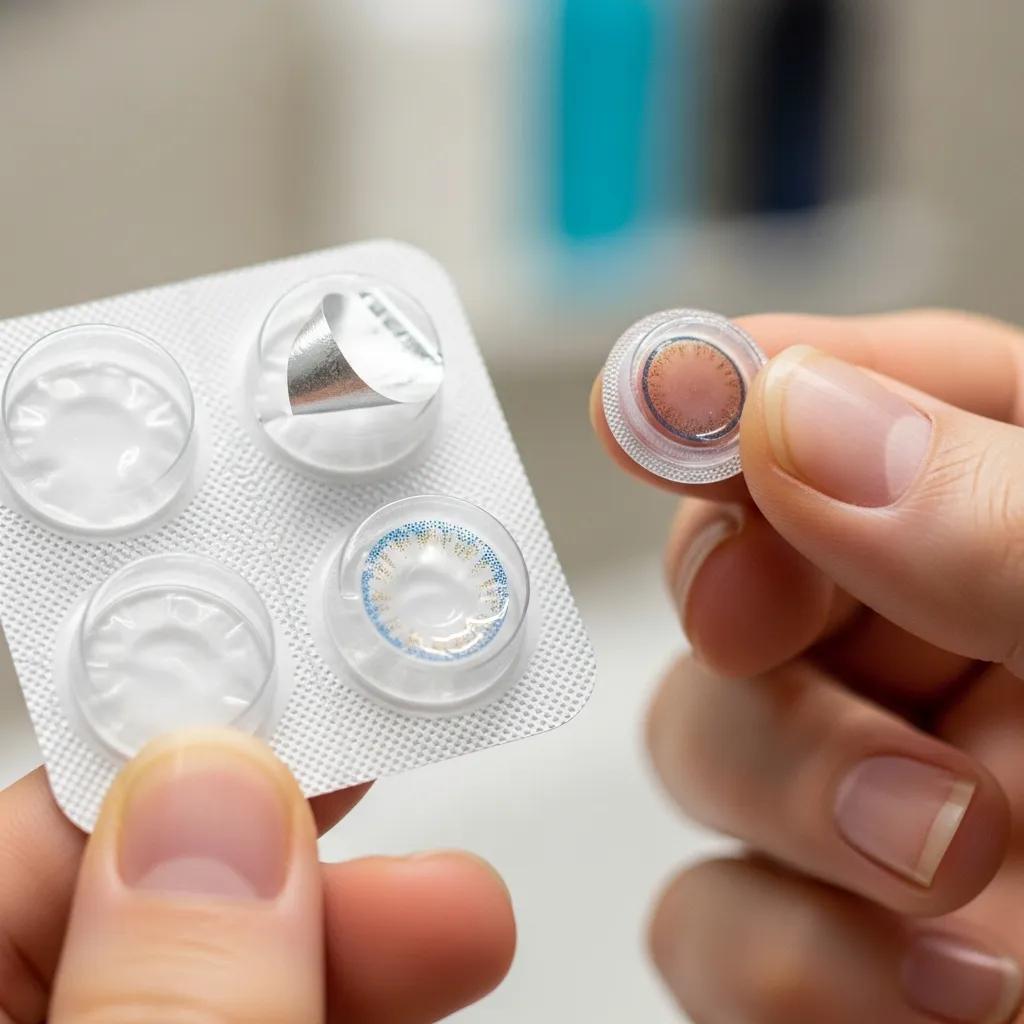
Clinical studies typically find better comfort and ocular surface health with daily disposables compared with reusable lenses.
Daily vs. Monthly Contact Lenses: Comfort & Ocular Health
Because daily lenses avoid cleaning and storage chemicals, clinicians often prefer them for improved ocular surface health and comfort. This study compared daily and monthly disposable lenses for ocular surface physiology and wearer comfort.
Daily versus monthly disposable contact lens: Which is better for ocular surface physiology and comfort?, K Sapkota, 2018
Silicone Hydrogel Lenses: Better Breathability for Health and Comfort
Silicone hydrogel materials allow more oxygen to reach the cornea, which helps the eye feel fresher during the day. Although these lenses can have lower water content than older hydrogel types, modern surface treatments and material design help them retain moisture and reduce irritation.
Premier Optical Boutique carries several silicone hydrogel options so you can find the right balance of oxygen flow, moisture, and vision correction.
Scleral and Specialty Lenses: Solutions for Severe Dry Eye
When standard lenses aren’t enough, scleral or other specialty lenses can make a big difference. They create a protected, hydrated environment over the cornea, which can relieve persistent dryness and discomfort.
What Scleral Lenses Do and When They Help
Scleral lenses are larger and vault over the cornea to rest on the sclera (the white of the eye). That creates a reservoir of saline between the lens and cornea, keeping the surface continuously hydrated and protected from the environment — especially useful for severe or complex dry eye cases.
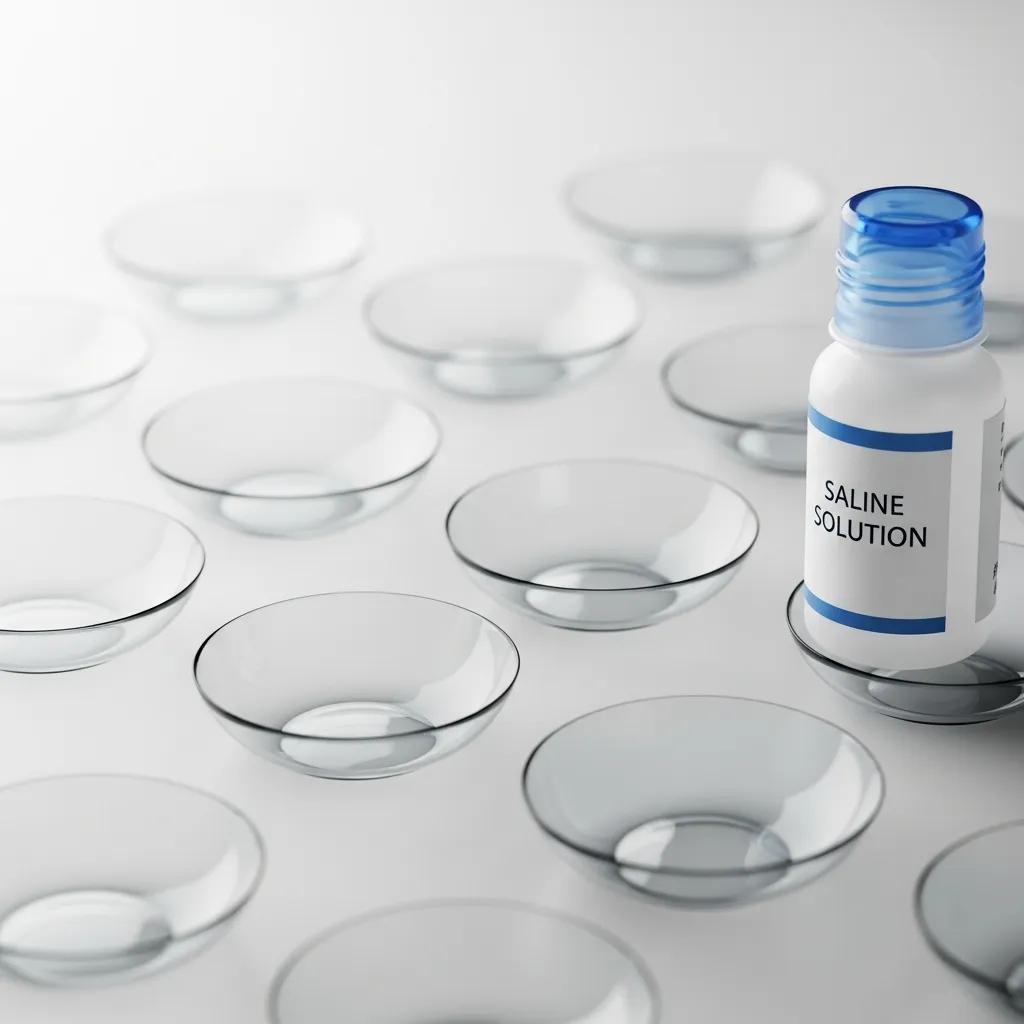
Clinical evidence supports the use of scleral lenses for managing severe dry eye, particularly when corneal irregularities are present.
Scleral Lenses for Dry Eye Syndrome Management
Scleral lenses are increasingly used to manage patients with dry eye syndrome, often in cases where irregular corneas or visual loss are also factors.
Benefits of scleral lens in the management of irregular corneas and dry eye syndrome after refractive surgery, 2022
Toric and Multifocal Lenses for Dry Eye Wearers
Toric lenses correct astigmatism, and multifocals address both near and distance vision. Many modern toric and multifocal designs use materials and surface coatings that help retain moisture, making them a good option for people who need those prescriptions but also struggle with dryness.
Best Solutions and Care Habits to Ease Dry Eyes
Choosing the right lens care products and sticking to a simple routine are key. Small daily habits can significantly reduce irritation and keep your eyes healthier.
Pick Solutions That Add Moisture and Reduce Irritation
Look for contact lens solutions and drops with moisturizing ingredients like hyaluronic acid or glycerin. Preservative-free options are a smart choice if you have sensitive eyes, as they lower the chance of additional irritation.
Daily Care Habits to Prevent Dryness and Discomfort
Follow a consistent care routine: clean and replace lenses as recommended, use rewetting drops made for lens wearers, and come in for regular check-ups. Also consider environmental changes — sunglasses to block wind and UV, and work habits to reduce screen-related strain.
If you spend long hours in front of screens, specialized computer glasses can ease digital eye strain and complement your dry-eye strategy.
If presbyopia is a concern, dedicated reading glasses can provide clear near vision without worsening contact lens comfort.
How Professional Exams and Custom Fittings Improve Comfort
Personalized care matters. A thorough eye exam and a custom contact lens fitting make it far more likely you’ll find a comfortable, effective solution for dry eyes.
Why Comprehensive Eye Exams Matter
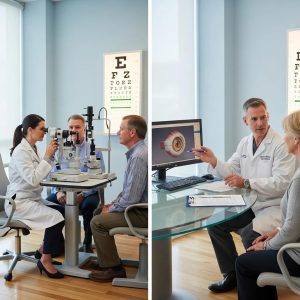
Comprehensive eye exams let your eye care professional assess tear production, check the cornea’s health, and recommend the best lens type or treatment. Regular visits help track changes and keep your plan up to date.
Custom Contact Lens Fittings for Better Comfort
A personalized fitting accounts for the shape and curvature of your eye so lenses fit correctly and move as they should. That reduces rubbing and irritation — especially important for people with dry eyes.
| Lens Type | Material | Benefits |
|---|---|---|
| Daily Disposable | Hydrogel or Silicone Hydrogel | Fresh pair daily, less buildup and irritation |
| Silicone Hydrogel | Silicone Hydrogel | High oxygen flow, improved comfort over the day |
| Scleral | Rigid Gas Permeable | Tear reservoir, strong protection from dryness |
| Toric | Hydrogel/Silicone Hydrogel | Corrects astigmatism while supporting moisture |
| Multifocal | Hydrogel/Silicone Hydrogel | Near and distance correction with wearable comfort |
This table summarizes common lens choices for dry-eye wearers and the benefits each option delivers. The right lens depends on your prescription, lifestyle, and the severity of your dryness.
In short: managing dry eyes with contact lenses is a combination of the right lens, the right care products, and regular professional guidance. Start with an eye exam and a conversation with your clinician — together you can find a solution that keeps your eyes comfortable and your vision clear.