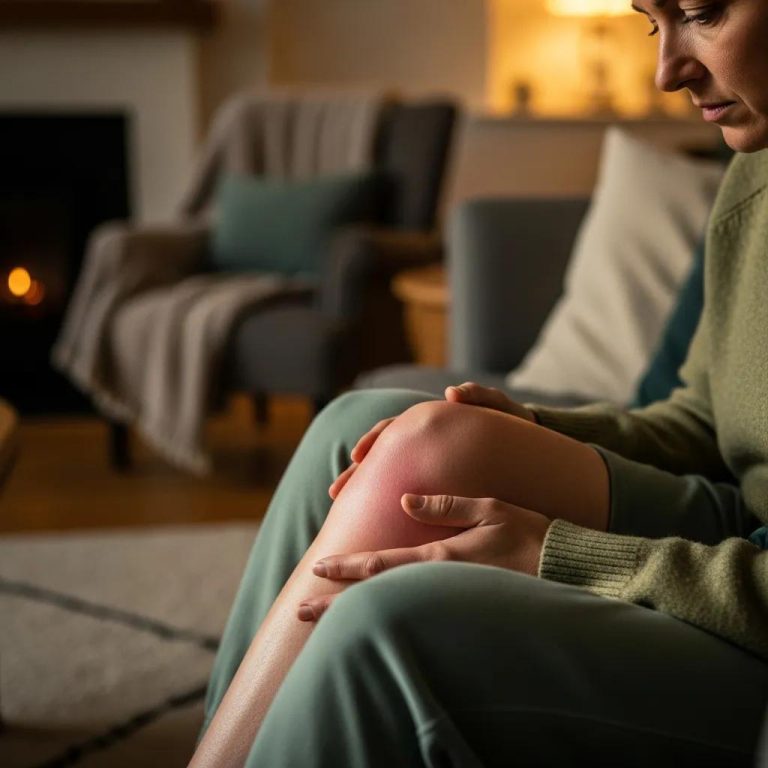
Knee swelling that appears without an obvious injury can feel worrying and confusing. Often called knee effusion, this build-up of fluid can come from several sources — medical conditions, gradual wear, or repetitive strain. Knowing what can cause swelling and how it’s assessed makes it easier to choose the right treatment. Below we explain common causes, signs to watch for, and the physiotherapy approaches that reduce swelling and restore function. We also outline how Focus Physiotherapy can help you find a clear diagnosis and a practical recovery plan you can stick to.
What causes knee swelling when there’s no injury?
Not all knee swelling follows a fall or a twist. Several medical and mechanical issues can cause fluid to collect in the joint. Identifying the likely cause is the first step toward effective care.
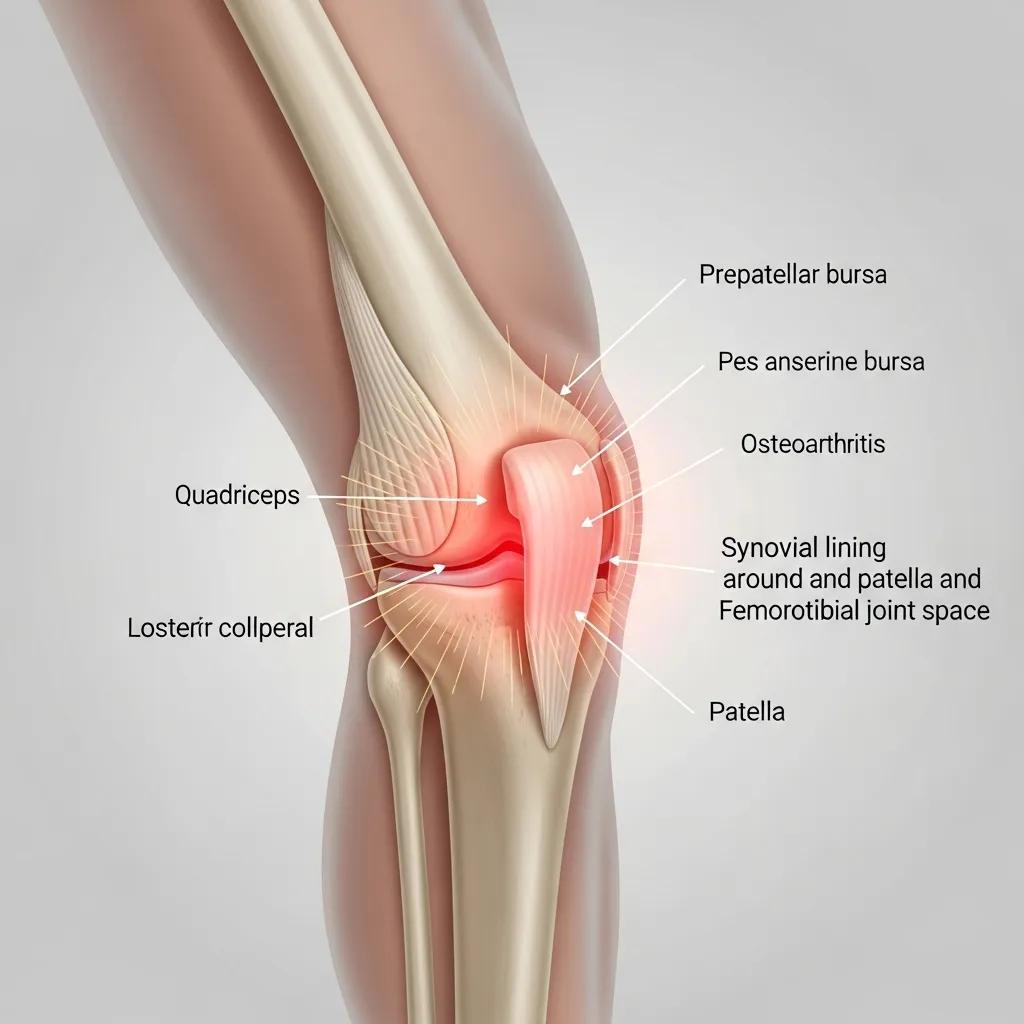
Which medical conditions can cause knee swelling without trauma?
Common conditions that may lead to non‑traumatic knee swelling include:
- Bursitis: The bursae are small, fluid-filled sacs that cushion the knee. When they become inflamed the knee can swell and feel tender.
- Osteoarthritis: Gradual cartilage breakdown can trigger inflammation and excess joint fluid, producing noticeable swelling.
- Infections: Septic arthritis or other infections inside the joint cause rapid swelling and usually need urgent medical treatment.
- Rheumatoid arthritis: This autoimmune condition inflames the joint lining, often causing persistent swelling and pain.
- Gout: Uric acid crystals can deposit in the joint and provoke sudden, painful swelling.
Knowing these possibilities helps guide investigations and timely treatment.
Physiotherapy is often a key part of treatment, but some cases may require additional medical interventions such as joint aspiration to fully evaluate or relieve symptoms.
Knee effusion and aspiration: what the evidence says
Knee effusion is common across many knee conditions, both traumatic and non‑traumatic. Joint aspiration (removing fluid with a needle) is widely used in practice, but high‑quality randomized controlled evidence for its benefit is limited. Studies have aimed to evaluate whether aspiration safely and effectively reduces symptoms in acute knee effusion from different causes.
How can overuse and meniscus problems cause swelling without a clear injury?
Not all meniscus tears or joint irritations come from a single accident. Repeated strain or small, gradual tears can lead to inflammation and fluid buildup over time.
- Overuse injuries: Repeating the same load (running, jumping, prolonged kneeling) can inflame tissues around the knee and cause swelling.
- Meniscus tears: Small or degenerative tears in the meniscus may develop slowly and present with swelling, catching, or stiffness rather than an acute injury event.
Spotting these patterns early helps direct conservative care and may avoid unnecessary procedures.
When non‑traumatic meniscus problems are treated, research often compares conservative care — like physiotherapy — with surgical options to determine the best path for recovery.
Non‑traumatic meniscus lesions: conservative care versus surgery
Clinical trials comparing arthroscopic partial meniscectomy with non‑surgical treatments (including physiotherapy) found similar outcomes in many patients. In some crossover trials, a subset of patients improved only after surgery, but overall the evidence supports trying conservative management first for many non‑traumatic meniscus complaints.
How do you recognise symptoms of knee swelling without injury?
Being able to spot the typical signs helps you decide whether to seek assessment or try conservative measures first.
What signs and symptoms usually accompany non‑traumatic knee swelling?
- Pain or discomfort: This can range from a dull ache to sharper pain, depending on the cause.
- Stiffness: A swollen knee often feels stiff, making bending or straightening the leg harder.
- Visible swelling: The joint may look puffy or rounded, and the skin can feel warm or appear red.
- Reduced range of motion: Swelling and pain commonly limit how far you can move the knee.
These symptoms help clinicians narrow down likely causes and choose the right tests.
When should you seek medical attention for knee swelling without injury?
See a healthcare professional promptly if you notice any of the following:
- Severe pain: Pain that prevents walking or weight bearing.
- Signs of infection: Fever, chills, increasing redness, or significant warmth over the joint.
- Persistent or worsening swelling: Swelling that doesn’t improve with rest or home care.
- Sudden onset with redness and heat: These can indicate an urgent condition that needs immediate assessment.
Early evaluation helps avoid complications and speeds recovery.
How does Focus Physiotherapy diagnose knee swelling without injury?
A structured assessment is essential to pinpoint the cause and build a treatment plan that actually helps. At Focus Physiotherapy we combine hands‑on examination with the right imaging or medical referrals when needed.
What assessment methods are used to identify the cause of knee swelling?
We typically use a mix of:
- Physical examination: Testing range of motion, joint stability, swelling patterns, and where it hurts.
- Imaging: X‑rays or MRI may be recommended to see cartilage, menisci, or bone changes when indicated.
- Patient history: A careful review of symptoms, daily activities, medical history and any prior treatments helps form a clear picture.
Combining these elements helps us target treatment and avoid unnecessary interventions.
Why is an accurate diagnosis important for effective treatment?
Getting the diagnosis right matters because:
- Targeted treatment: Specific problems respond to specific therapies — accurate diagnosis lets us tailor care.
- Preventing progression: Early, appropriate treatment can stop a problem from getting worse.
- Better outcomes: Accurate assessment improves pain control, recovery time, and long‑term function.
That’s why we take time on the initial assessment to get it right.
What physiotherapy and treatment options help knee swelling without injury?
Physiotherapy focuses on reducing pain and swelling while restoring movement and strength so you can return to daily activities pain‑free.
How does physiotherapy reduce swelling and improve mobility?
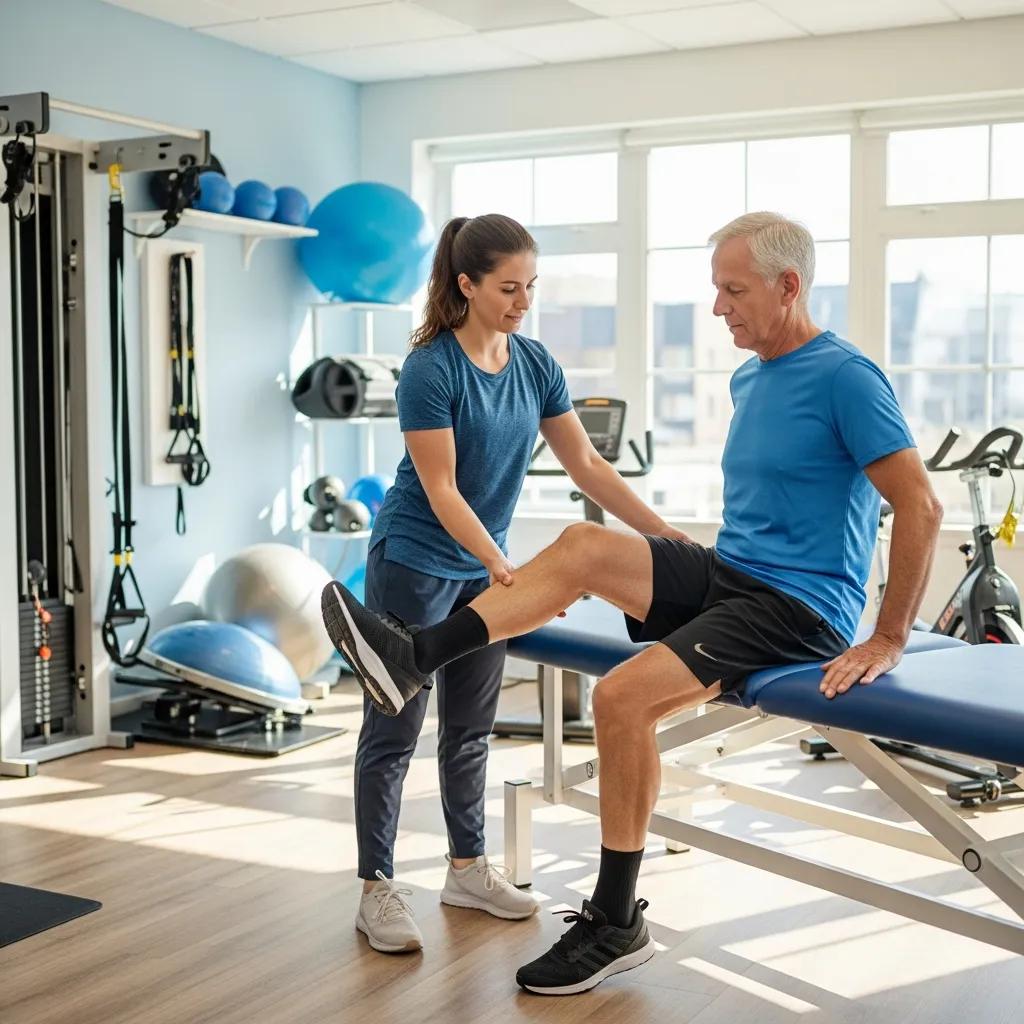
Common physiotherapy strategies include:
- Manual therapy: Hands‑on techniques to ease pain, mobilize the joint and encourage fluid movement.
- Individualized exercise programs: Strength, flexibility and balance exercises that support the knee and reduce future flare‑ups.
- Patient education: Practical advice on activity modification, home exercises and self‑management to prevent recurrence.
Used together, these approaches help control swelling and restore reliable movement.
What complementary treatments can support recovery?
Alongside physiotherapy, other options can help manage symptoms:
- Massage therapy: Reduces muscle tension and improves circulation around the knee.
- Acupuncture: May offer symptom relief for some patients, depending on the issue.
- Custom knee braces: Provide support and offload stress during activity when needed.
We’ll recommend the right combination based on your diagnosis and goals.
Why choose Focus Physiotherapy for knee swelling in the Greater Toronto Area?
Focus Physiotherapy combines clinical expertise with a practical, patient‑centred approach — we treat the person, not just the knee.
What expertise and services does Focus Physiotherapy offer for knee conditions?
Our team of registered physiotherapists offers:
- Comprehensive assessments: Detailed evaluations to identify the cause of swelling and functional limitations.
- Personalized treatment plans: Practical programs that fit your life and recovery goals.
- Patient‑centred care: We partner with you on decisions and focus on measurable progress.
Our goal is to return you to the activities that matter with less pain and more confidence.
How do multiple locations and OHIP coverage improve access?
With clinics across the Greater Toronto Area, we make it easier to find convenient care. Highlights include:
- Local clinic options: Choose a location that fits your schedule and commute.
- OHIP coverage where applicable: Many eligible patients can access physiotherapy through OHIP with a physician referral, reducing out‑of‑pocket costs.
- Community support: We aim to be a trusted local resource for ongoing joint health.
For those in the north end of the city, our North York clinic offers convenient access to specialist care.
These features help make quality care more reachable and sustainable.
How can you book a consultation for knee swelling at Focus Physiotherapy?
Booking an appointment is simple — we prioritise clear communication and timely care.
What is the process to schedule an appointment?
To book, follow these steps:
- Contact the clinic: Call or email the location that works best for you to request an appointment.
- Share key details: Tell us about your symptoms, any recent tests, and relevant medical history.
- Pick a convenient time: Choose an appointment that fits your schedule — we’ll confirm and prepare for your visit.
We’ll guide you through anything needed before the first visit so your assessment is efficient and focused.
What should patients expect during their first visit?
At your initial appointment you can expect:
- A clear outline of the visit: We explain the assessment steps and goals up front.
- Thorough initial assessment: Hands‑on testing and movement checks to identify the likely cause of your swelling.
- Collaborative goal setting: We discuss realistic treatment goals and next steps, including home strategies to control symptoms.
This first visit sets a practical roadmap for recovery.
Frequently asked questions
What lifestyle changes can help manage knee swelling without injury?
Small, consistent changes make a big difference. Choose low‑impact activities like swimming or cycling to keep strength without adding joint stress. Maintain a healthy weight to reduce load on the knees. Simple self‑care—ice for 10–20 minutes after activity, elevating the leg, and avoiding prolonged standing or kneeling—can lower swelling. Eating a balanced diet and staying hydrated also supports tissue health.
Are there any home remedies for knee swelling without injury?
Yes — practical home measures often help while you arrange professional care. Apply a cold pack for 15–20 minutes to reduce inflammation, and consider short rest periods after activities that flare symptoms. Warm baths or Epsom salts may relax tight muscles for some people, and anti‑inflammatory foods (like turmeric or ginger) can be supportive. Check with your healthcare provider before starting supplements, especially if you take other medications.
How long does it typically take for knee swelling to subside?
Recovery time depends on the cause. Minor overuse or mild inflammation can improve within days to a couple of weeks with rest and appropriate care. Conditions such as arthritis or infection require longer treatment and medical management. If swelling persists beyond a week or worsens, seek professional assessment so treatment can be adjusted.
Can knee swelling without injury lead to long‑term complications?
Untreated swelling can hide or contribute to longer‑term issues like chronic pain, reduced mobility, and joint deterioration in some conditions. Early assessment and a targeted treatment plan help prevent decline and preserve function. Regular follow‑up and adherence to prescribed exercises are key to good long‑term outcomes.
What role does nutrition play in managing knee swelling?
Nutrition supports inflammation control and overall joint health. A diet rich in vegetables, fruits, whole grains and omega‑3 sources (like fatty fish and nuts) can help reduce systemic inflammation. Limiting processed foods and excess sugars is also beneficial. Hydration aids joint lubrication. For specific guidance, consider consulting a dietitian who can tailor recommendations to your needs.
Is it safe to continue exercising with knee swelling?
Exercise can be safe and helpful when adapted to your situation. Low‑impact activities (walking, cycling, swimming) often maintain mobility without aggravating the knee. Avoid high‑impact or pain‑provoking movements until you’ve been assessed. A physiotherapist can prescribe a graded exercise plan that protects the joint while building strength and resilience.